

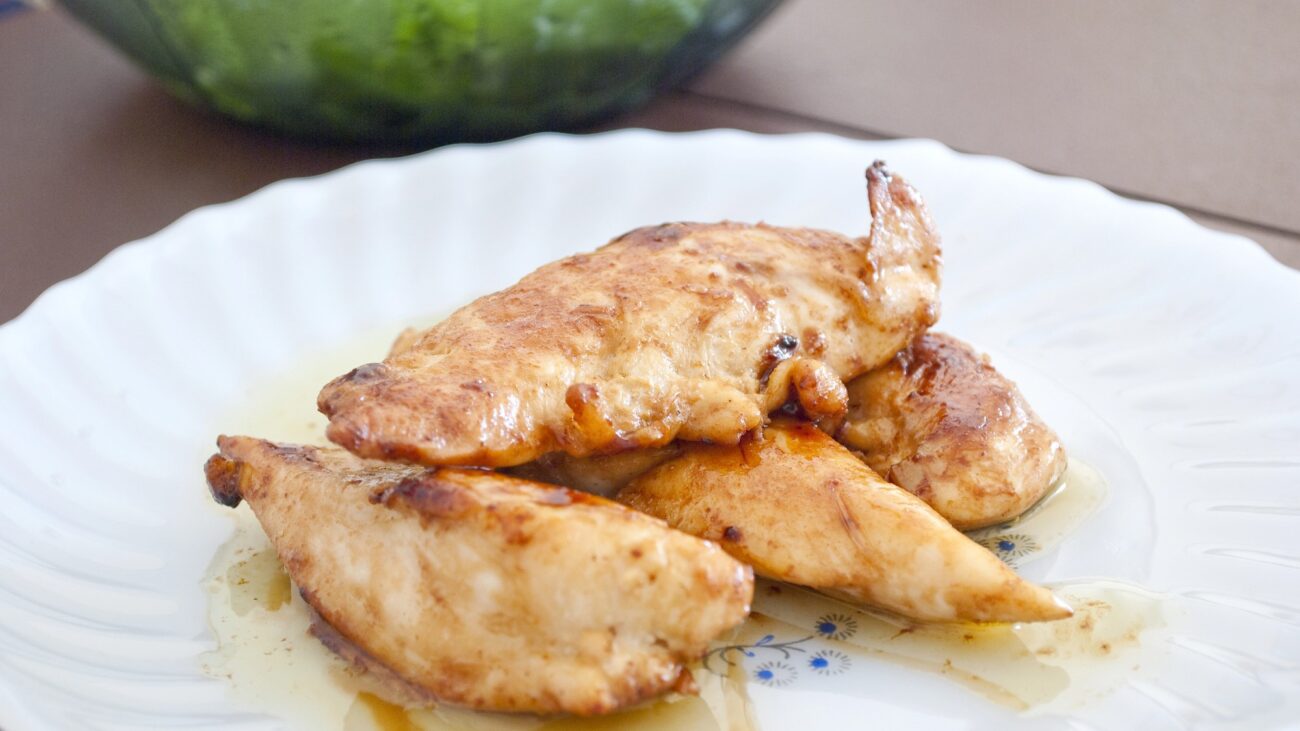
On June 25, 2026, the USDA’s Food Safety and Inspection Service issued a public health alert for PRIVATE SELECTION Honey Dijon Boneless Skinless Chicken Breasts with Rib Meat — sold at Kroger and Fred Meyer stores — after certain packages were found carrying the wrong back label. The result was misbranding and an undeclared egg allergen: no warning on the package for the people who need one most.
What Went Wrong on That Label
The front said Honey Dijon chicken — the back described a completely different product and left out a critical allergen entirely.
The front label correctly identified the Private Selection Honey Dijon chicken. Flip the package over, however, and some shoppers encountered something else entirely: the ingredient panel for Private Selection Teriyaki Skirt Steak, listing beef, sesame teriyaki marinade, soy, and wheat. No mention of egg.
The actual Honey Dijon marinade contains mayonnaise made with pasteurized egg yolks — a major allergen under US law, required by regulation to appear on every label. A retail store employee noticed the front-to-back mismatch, notified manufacturer FW Farms LLC, who then alerted FSIS. The chicken itself is not contaminated. The problem is the wrong back label.
Here’s what to look for if you shop at Kroger or Fred Meyer:
- Product: PRIVATE SELECTION Honey Dijon Boneless Skinless Chicken Breasts with Rib Meat, 21-oz vacuum-packed packages
- Produced: June 2, 2026; Best if used by: June 28, 2026
- Establishment number: P-45288B printed on the package
- Distributed to: Alabama, Alaska, Idaho, Illinois, Indiana, Kentucky, Tennessee, Oregon, and Washington
- Adverse reactions: No confirmed reports as of the alert date
Why This Alert Exists — And What To Do Now
Off store shelves does not mean out of your kitchen — and for egg-allergic households, that gap is the entire problem.
FSIS issued a public health alert rather than a formal recall because the product is no longer available for purchase at retail. According to the agency, concern centers on packages that may still be sitting in consumers’ refrigerators or freezers, with a best-by date of June 28, 2026, still in range at the time of the alert.
Eggs rank among the most common food allergens in the US, capable of triggering anaphylaxis in sensitive individuals. A shopper managing an egg allergy reads “beef teriyaki ingredients” on the back, sees no egg warning, and assumes the product is safe. That is where a packaging line error becomes a genuine health risk.
If you have this product and manage an egg allergy — or cook for someone who does — do not eat it. Throw it away or return it to the store. No egg allergy in your household? FSIS indicates this alert does not apply, as the issue is allergen labeling rather than spoilage or contamination.
A Bigger Pattern Worth Watching
Private-label products across major retailers share packaging lines for multiple SKUs — and one label-application slip carries outsized consequences.
This incident reflects a structural reality in large-scale food retail. Operations running multiple proteins and marinades through similar packaging formats can mislabel significant quantities before anyone catches a discrepancy. For allergy-aware households, that reality is worth keeping in mind every time a store-brand marinated meat goes into the cart. Check both sides of the package — front labels market the product; back labels protect you.
For questions, contact FW Farms LLC at cs@gwfg.com. Broader food safety questions can go to the USDA Meat and Poultry Hotline at 888-674-6854 or MPHotline@usda.gov. Anyone who has already consumed this product and has concerns about a reaction should contact a healthcare provider.
A store employee caught this one by paying attention to a label that did not add up. A quick check of the freezer is all it takes to do the same.