

A New Jersey man’s death after eating a hamburger has become the first documented fatality from alpha-gal syndrome in the United States. The rare condition turns a simple backyard barbecue into a potential medical emergency, triggered by an immune reaction to red meat that develops after certain tick bites.
The syndrome forces the body to treat beef, pork, and lamb as dangerous allergens. Unlike typical food allergies that strike within minutes, alpha-gal reactions emerge two to six hours after consuming red meat, making the connection harder to spot until symptoms become severe. This stands in stark contrast to a carnivore diet approach that emphasizes red meat consumption.
Growing Threat in Expanding Territory
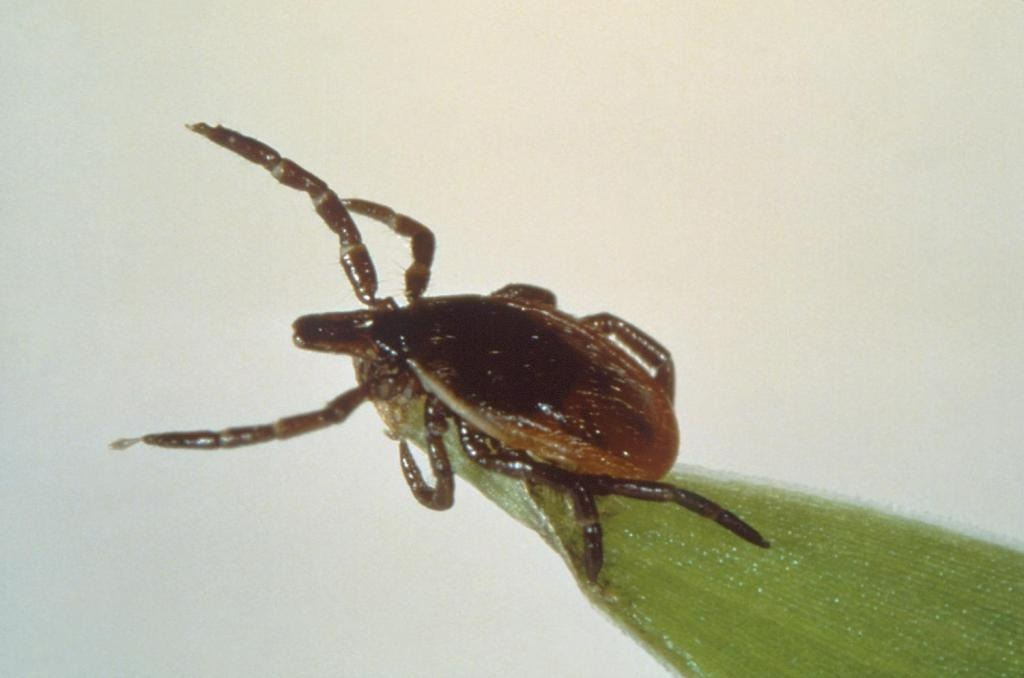
The CDC estimates up to 450,000 Americans may have alpha-gal syndrome, with numbers climbing sharply since 2010. Lone star ticks remain the primary culprit, but deer ticks and western black-legged ticks also transmit the condition. New York and New Jersey now report increasing cases as tick populations expand northward.
The syndrome’s delayed onset distinguishes it from other food allergies. Symptoms range from hives and stomach pain to life-threatening anaphylaxis that can affect breathing and blood pressure.
“There is no cure for AGS,” according to the CDC, leaving strict meat avoidance as the only protection. Patients must also avoid mammalian-derived products including certain dairy items, gelatin, and processed foods containing animal by-products. This includes all cuts of steak and other red meat varieties.
Prevention Becomes Critical Defense
Without treatment options beyond emergency epinephrine injectors, prevention focuses entirely on avoiding tick exposure. DEET-based repellents, permethrin-treated clothing, and thorough post-outdoor activity tick checks become essential safety measures in affected regions.
The condition fundamentally alters dining habits, forcing restaurant staff to navigate hidden mammalian ingredients in everything from gelatin to certain dairy products. Cross-contamination in commercial kitchens poses additional risks that many food service professionals haven’t encountered before. This dietary restriction creates challenges similar to those facing individuals with colon cancer who must carefully manage their food choices.
Alpha-gal syndrome transforms both outdoor recreation and food culture. Every camping trip or trail run now requires rigorous tick prevention protocols, while restaurant menus become potential hazards requiring vigilant ingredient scrutiny and staff training about this emerging allergen.