


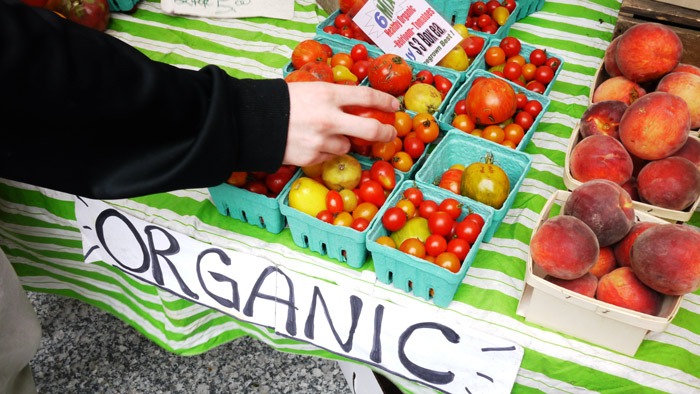
Paying double for organic groceries feels virtuous until you discover the truth: that “natural” label permits synthetic pesticides, industrial farming, and fraud. The USDA knows its certification system misleads consumers, yet reform efforts remain toothless against billion-dollar agricultural interests.
When ‘Natural’ Includes Synthetic Chemicals
The organic rulebook allows toxins that would make conventional farmers blush.
Organic apples may contain copper sulfate, a synthetic fungicide approved because bureaucrats classify it as “natural.” This chemical poses serious risks to soil health and aquatic systems—exactly what organic farming supposedly prevents. Meanwhile, multinational corporations dominate organic supply chains, shipping products internationally using the same industrial machinery that processes conventional crops.
Import fraud compounds the deception. Documented cases from China and Turkey reveal conventional produce rebranded as organic, slipping through weak oversight systems. The USDA’s new Strengthening Organic Enforcement rules attempt damage control, but persistent vulnerabilities remain as obvious as a Fyre Festival promotional video.
Even animal welfare standards contain Swiss cheese-sized loopholes. Despite 2023 regulations promising outdoor access and cage-free conditions, industrial operations have until 2029 to comply. Your “organic” eggs might still come from factory farms indistinguishable from conventional operations.
What Smart Consumers Do Instead
Skip the marketing theater and focus on practices that actually matter.
According to a 2012 Stanford meta-analysis, peer-reviewed studies consistently show no nutritional advantage for organic produce over conventional alternatives. You’re paying premium prices for identical nutrition wrapped in feel-good marketing.
Smart food enthusiasts build relationships with local farmers who prioritize soil health and transparency over certification bureaucracy. Use the “Dirty Dozen” list to target organic purchases only for produce with highest pesticide residues—strawberries, spinach, and peaches top the list. When possible, grow your own herbs and vegetables to guarantee quality without regulatory theater.
The organic label’s original promise—supporting small farms practicing sustainable agriculture—survives in farmer’s markets and direct-to-consumer relationships. These growers often exceed organic standards without the paperwork circus, delivering the food integrity consumers actually seek when they shell out extra cash for that misleading green sticker.