

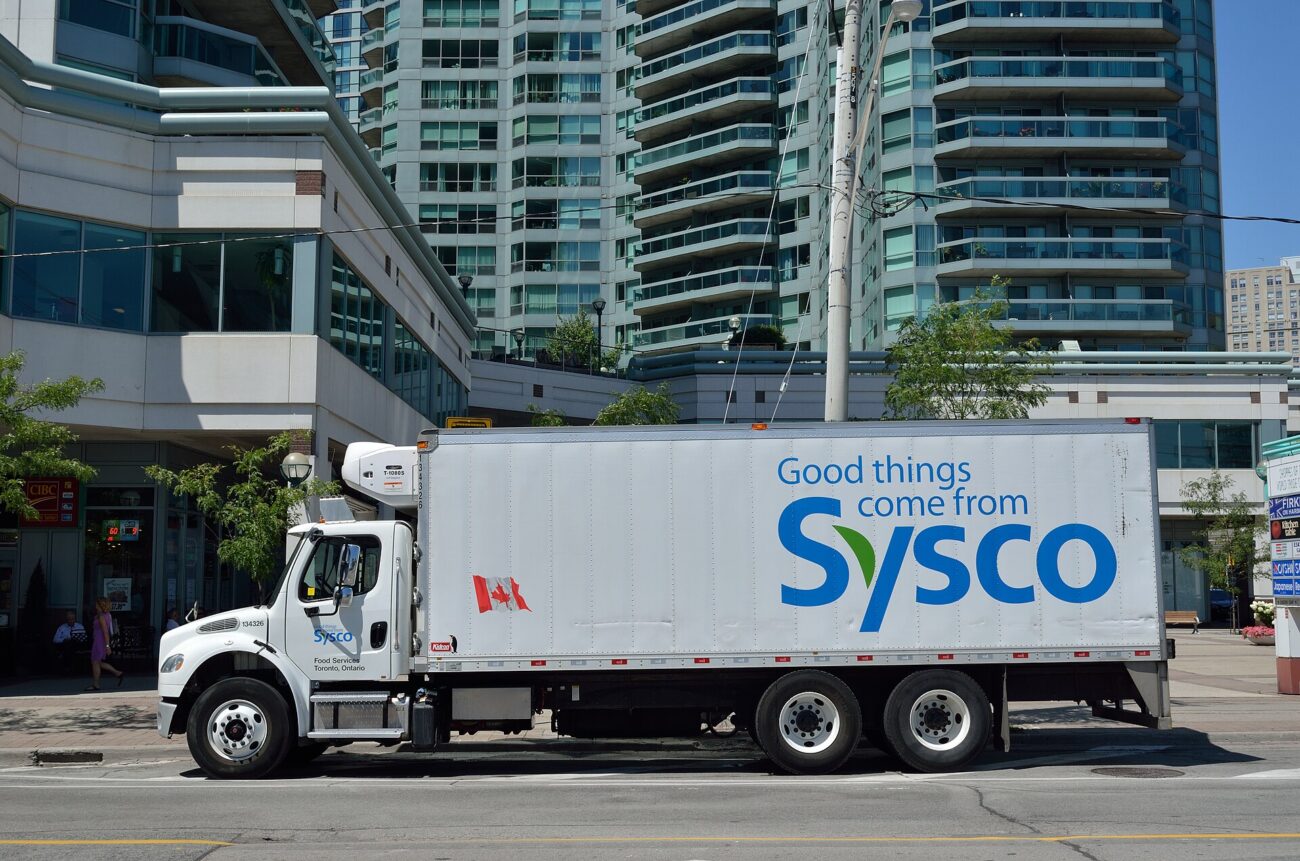
Two people are dead in Michigan. Nearly 2,000 are sick across nine states. Ninety-eight have been hospitalized. The culprit: Cyclospora cayetanensis, a microscopic parasite found in shredded iceberg lettuce from Taylor Farms de Mexico’s central Mexico facility. It causes explosive diarrhea, severe cramping, nausea, and fatigue that can drag on for weeks if left untreated. The lettuce moved through Taco Bell locations across five states and into Marketside-branded bags at Walmart. Now Sysco — the largest food distributor in the country — has cut the supply line entirely.
How a Single Supplier Sickened Thousands
One facility. Twenty-seven states. A recall covering nearly 2,000 confirmed cases.
CDC and FDA confirmed 1,947 illnesses linked specifically to Taylor Farms de Mexico iceberg lettuce across Illinois, Indiana, Kansas, Kentucky, Michigan, Ohio, Oklahoma, Pennsylvania, and West Virginia. Taylor Farms issued a voluntary recall on July 17, covering lettuce distributed June 29–July 16.
Recalled Marketside products — 12-oz and 24-oz iceberg salads, 8-oz and 16-oz shredded lettuce — carried “Best if Used By” dates between July 18 and August 3. This is not the industry’s first collision with bagged greens: a 2020 Fresh Express cyclospora outbreak sickened 701 people. Pre-cut, industrially processed lettuce has now been implicated twice.
- 1,947 confirmed illnesses; 98 hospitalizations; 2 deaths in Michigan, both in patients with serious underlying conditions
- Recalled products reached 27 states, including Texas, Florida, Michigan, Ohio, and Illinois
- Taco Bell and Jack in the Box both pulled lettuce from affected locations
- Taylor Farms has suspended iceberg sourcing from its central Mexico facility for the season
- One complication: FDA initially reported a false positive on a product test, later retracted — the recall remains precautionary, grounded in epidemiological evidence rather than a confirmed positive product test
Sysco Cuts the Cord
Even the country’s biggest food distributor couldn’t detach from a dominant supplier overnight — and that reality reveals a deeper vulnerability in the produce supply chain.
Sysco CEO Kevin Hourican told Reuters on August 4 that the company stopped buying from Taylor Farms and from Mexico entirely, pivoting to U.S.-grown suppliers. He acknowledged that Sysco had stopped selling Taylor Farms Mexican iceberg in mid-July — before the recall was announced.
“We’re not buying iceberg lettuce from them, and we’re not buying it from Mexico… To the degree that we can further diversify our procurement, that is something we’re actively working on.” — Sysco CEO Kevin Hourican, per Reuters
His follow-up admission underscores the structural problem: “Because they’re really big, you can’t just turn it off overnight.” One dominant supplier, one contaminated growing region, and even the largest distributor in the country found itself scrambling to redirect supply. Consumer demand for iceberg lettuce has “declined drastically,” Hourican added — a confidence problem that now extends well beyond the specific recalled products.
What To Do If You Ate the Lettuce
Symptoms are treatable, but acting quickly — and knowing what to watch for — makes all the difference.
If you ate shredded iceberg at Taco Bell or bought Marketside bagged salad at Walmart between late June and mid-July, watch for diarrhea, cramping, nausea, and fatigue. Cyclospora is treatable with antibiotics, so contact a doctor if symptoms appear.
For home cooks going forward:
- Choose whole heads over pre-cut kits
- Strip the outer two or three leaves before prep
- Wash greens thoroughly under running water rather than soaking
- Sanitize cutting boards and knives after handling raw produce
Taylor Farms states that products currently on grocery store shelves “are not involved in the recall and safe to enjoy” — provided the label does not say “Product of Mexico.”
Checking labels and choosing whole heads over pre-cut bags remains the most practical step consumers can take right now. Sysco’s pivot to domestic lettuce may prompt other large buyers to reassess geographic sourcing as well — a shift that, if it holds, could quietly reshape where American salads come from for seasons to come.