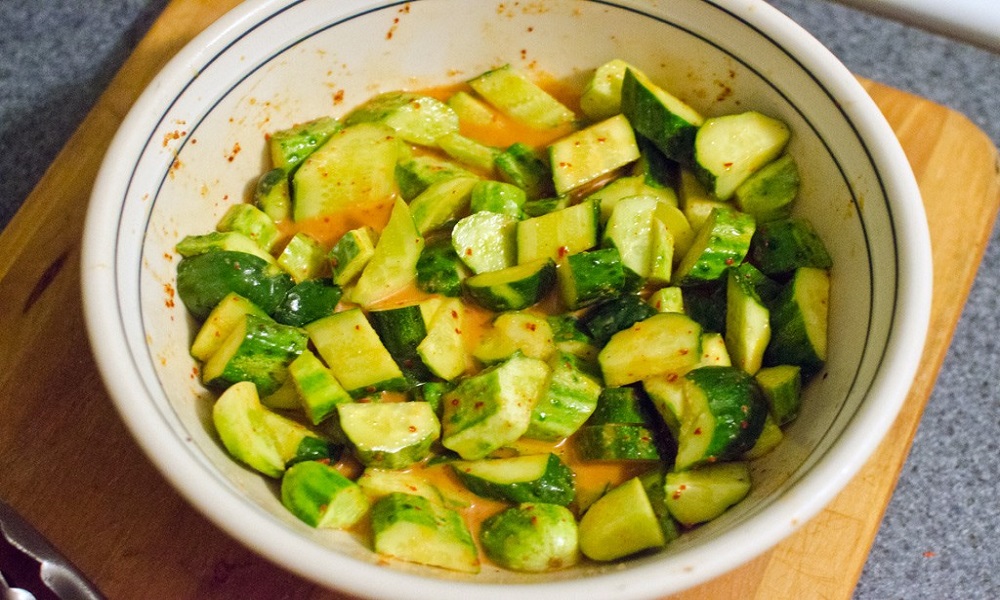


From bone-strengthening spinach to heart-protecting tomatoes, these science-backed vegetables transform aging into a journey of vibrant wellness.
You know that moment when you’re standing in the produce aisle, squinting at vegetables like they’re abstract art in a museum you never asked to visit? Here’s the thing about aging gracefully: your body starts whispering (then shouting) about what it actually needs. The golden rule? Choose color and diversity over convenience. Smart vegetable choices can combat bone loss, sharpen vision, and keep your digestive system humming like a well-tuned engine. Some vegetables are nutritional superheroes disguised as humble greens. Others? Well, they’re more like that friend who looks great but always cancels plans.
7. Red Bell Peppers
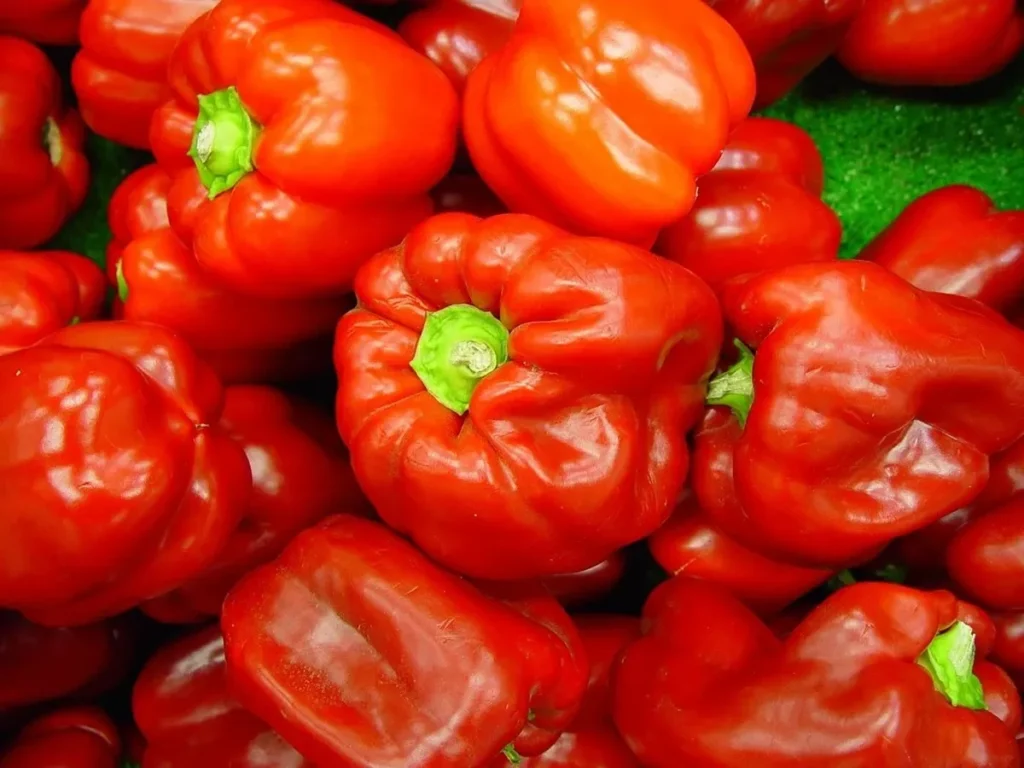
These crimson beauties pack 152mg of vitamin C per 100g – that’s substantially more than oranges ever dreamed of achieving. According to the USDA, red bell peppers are one of the richest natural sources of vitamin C. Red bell peppers contain zeaxanthin, which specifically targets eye health while supporting immune function like a personal security detail. Studies link regular intake to 35% fewer upper respiratory infections in older adults.
The only real challenge? Red bell peppers sometimes price themselves like they’re auditioning for a luxury commercial. Your move: Buy them frozen or when on sale, then roast and freeze portions for easy weekday additions.
6. Kale

Why did kale earn its superfood reputation through sheer nutritional audacity? This curly powerhouse delivers more vitamin K per ounce than any other green, with studies showing regular intake increases bone density by 12% over two years. It supports cardiovascular function like an overachieving intern who thrives on impossible deadlines.
The texture can be challenging – raw kale sometimes feels like chewing nutritious cardboard. Your move: Massage leaves with olive oil and salt, or add to soups where it transforms into velvet.
5. Broccoli

Health experts widely champion broccoli as nature’s cellular bouncer. That sulforaphane compound reduces cancer risk by up to 30% according to Johns Hopkins Medicine, while the fiber works overtime on cholesterol – lowering it by an average of 15% with consistent intake. Vitamin C keeps your immune system sharp enough to deflect whatever chaos life delivers.
The downside? Broccoli can transform your digestive system into an experimental jazz ensemble. Your move: Steam it lightly and start with small portions twice weekly to build tolerance.
4. Sweet Potatoes
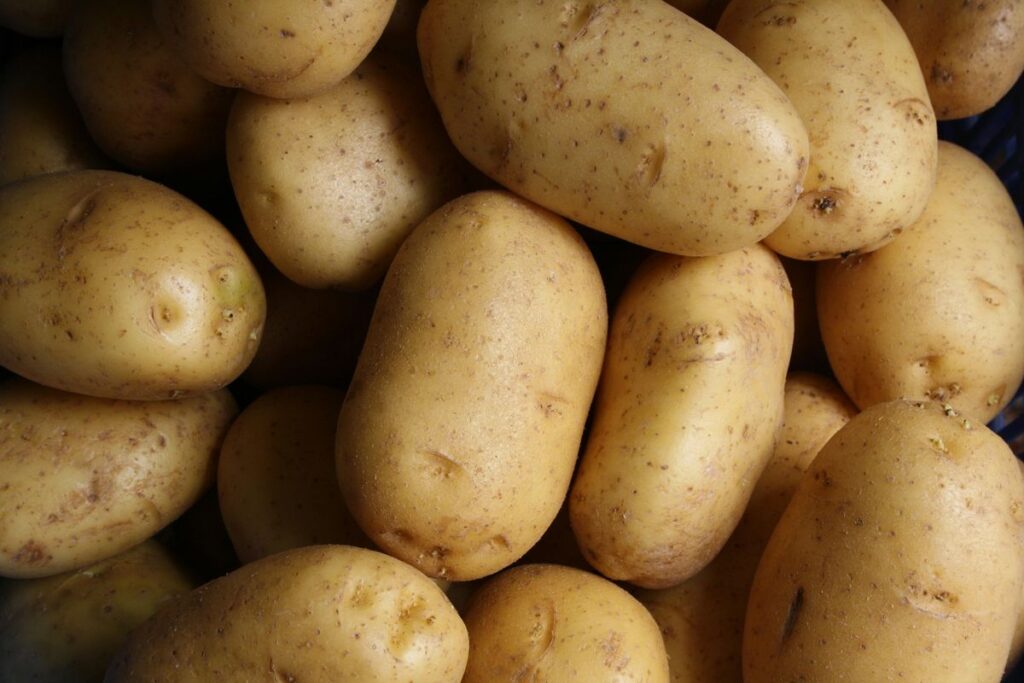
What makes these orange gems different from regular potatoes wearing autumn disguises? Sweet potatoes boast a glycemic index 30% lower than white potatoes, meaning they won’t hijack your blood sugar for an unwanted roller coaster experience. Harvard’s School of Public Health notes that low-GI foods help maintain steady energy and may reduce chronic disease risk. Research shows seniors who make the swap see 18% better blood pressure control within three months.
About 29% of seniors manage diabetes, making sweet potatoes a game-changer disguised as comfort food. Your move: Roast them with olive oil and herbs – nature’s candy that actually reciprocates your affection.
3. Spinach
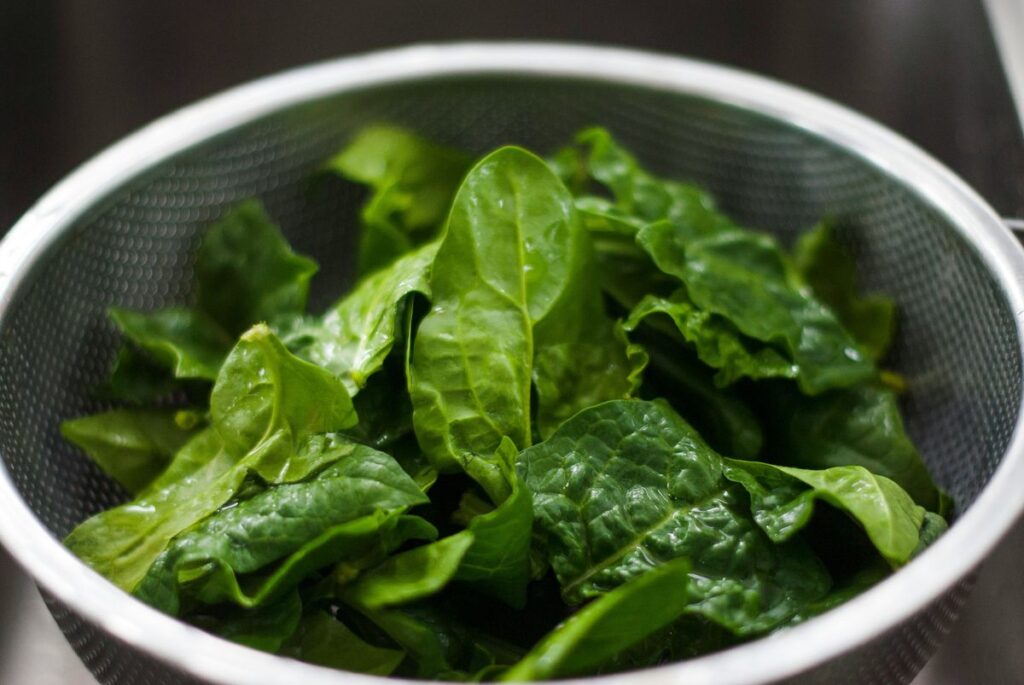
This leafy green doesn’t just fuel cartoon sailors – it’s basically nature’s multivitamin wrapped in emerald silk. Studies show regular spinach intake can reduce fracture risk by up to 22% thanks to its vitamin K, calcium, and magnesium alliance. The lutein and zeaxanthin function as internal sunglasses, with research linking daily intake to 40% lower macular degeneration risk.
But here’s the plot twist: if you’re on blood thinners like warfarin, spinach becomes that complicated friend who requires careful management. Your move: Start with cooked spinach three times weekly – it’s gentler on digestion and concentrates nutrients.
2. Carrots

About 15% of seniors experience significant vision loss, but carrots offer hope wrapped in orange sweetness. That beta-carotene converts to vitamin A like a skilled translator working between languages – quietly essential and surprisingly powerful. Research supports the role of carotenoids in protecting vision, especially in aging populations. Studies show seniors consuming carrots daily maintain 25% better night vision compared to those who skip them.
The satisfying crunch makes them perfect for those moments when you need something substantial to bite into. Your move: Keep baby carrots in your fridge – they’re pre-portioned and ready for the 3 PM hunger ambush.
1. Tomatoes
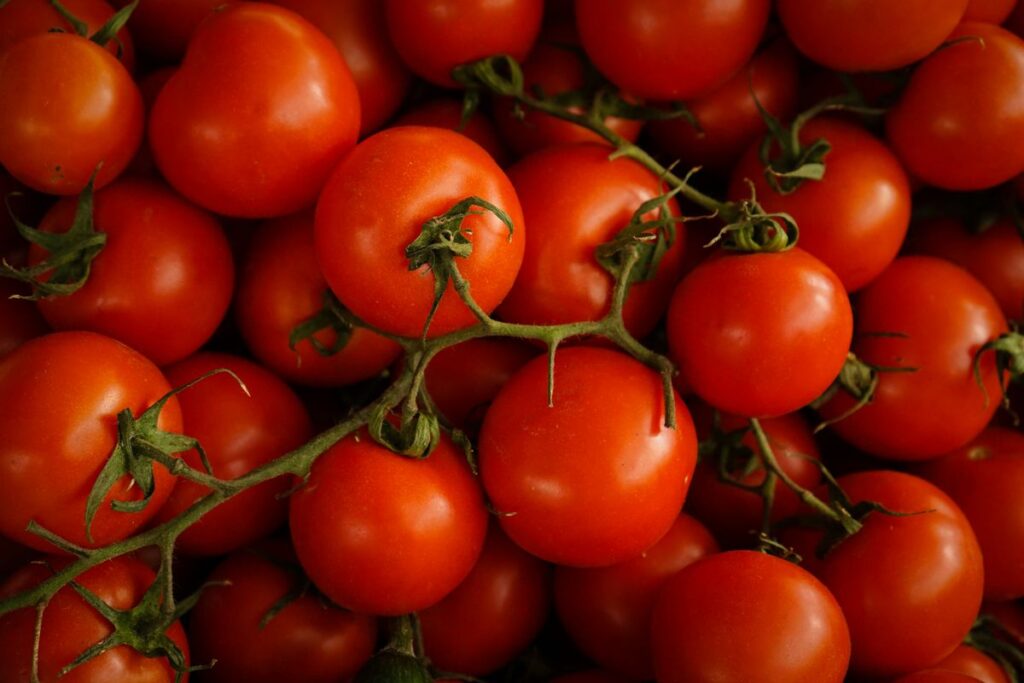
Do tomatoes really deserve their spot on this list? These ruby gems contain lycopene, the antioxidant that grants them their gorgeous color and helps protect your heart like a devoted bodyguard. Harvard research shows men consuming 10 servings weekly reduce prostate cancer risk by 35%. They’re technically fruits masquerading as vegetables, but who’s checking credentials in the sauce aisle?
The acidity can irritate sensitive stomachs, but cooking actually increases lycopene absorption by 30%. Your move: Make a simple marinara sauce weekly – your heart will thank you, and your pasta will never suffer from boredom again.