

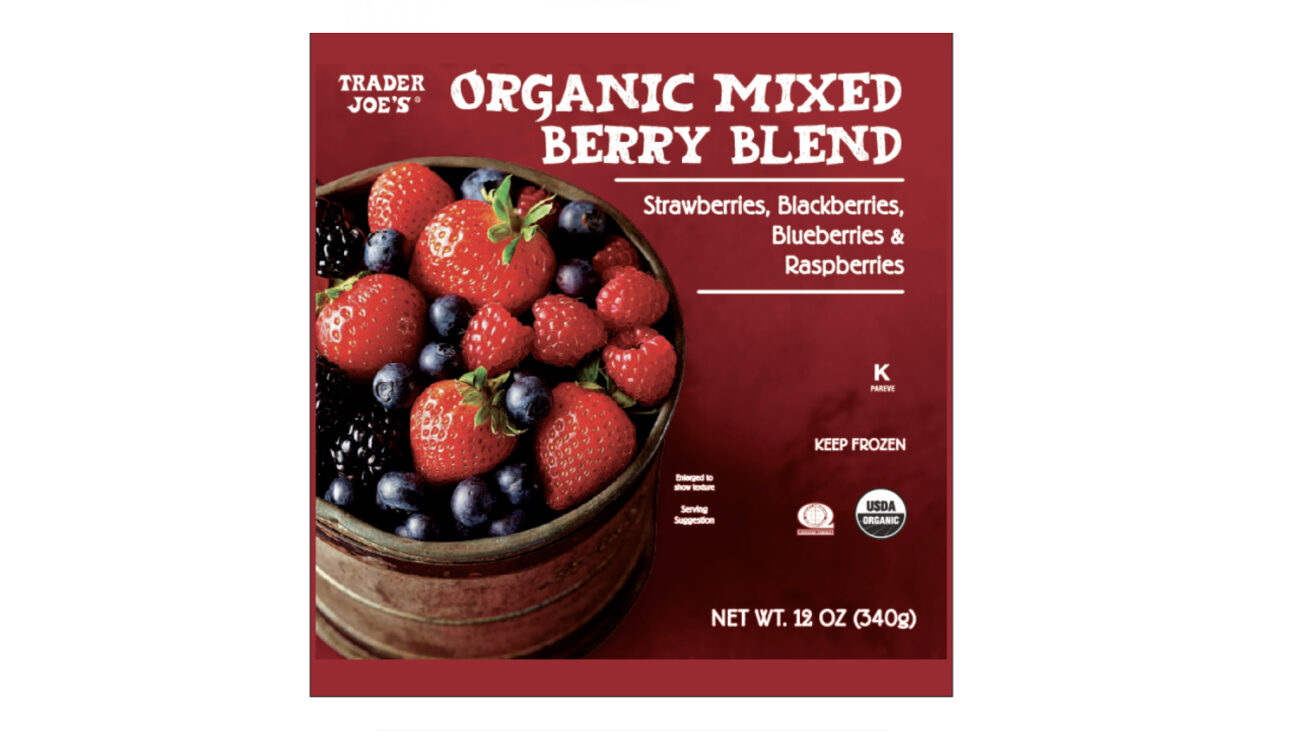
That bag of frozen organic berries buried behind the ice cream? Check it tonight. On October 2, 2026, Chilean supplier Frutas y Hortalizas del Sur S.A. expanded its recall to cover additional lots of frozen organic berry products sold under the Great Value label at Walmart and under the Trader Joe’s label at Trader Joe’s stores. The contamination in question is E. coli O145:H28 — a Shiga toxin-producing strain capable of serious illness. The catch: these packages carry best-before dates running into 2028, which means affected bags look perfectly fine sitting in a home freezer right now.
What’s Been Recalled and Where
Three products, two major retailers, and more than 30 states are involved — the details below are what matter.
The recall covers three products. Great Value items were distributed to 30 states plus Puerto Rico; Trader Joe’s products reached 26 states plus Washington, D.C. According to the FDA, the affected products are:
- Great Value Organic Triple Berry Blend, 10 oz — lot codes 6 031 01 and 6 041 01; best-if-used-by January 31 and February 10, 2028; UPC 78742 11226; lot code printed on the front of the package
- Great Value Organic Blueberries, 10 oz — lot codes 6 019 01, 6 040 01, and 6 163 01; best-if-used-by January 19, February 9, and June 12, 2028; UPC 78742 11213; lot code printed on the front
- Trader Joe’s Organic Mixed Berry Blend, 12 oz — lot code 6 051 01; best-before February 20, 2028; UPC 00977654; lot code printed on the back of the package
What This Bacteria Can Do – and Who Faces the Greatest Risk
E. coli O145 can cause severe complications, and certain groups are especially vulnerable.
According to the CDC, Shiga toxin-producing E. coli can cause severe stomach cramps, diarrhea — often bloody — and vomiting. Symptoms typically appear three to four days after exposure, and most people recover within five to seven days. For young children, older adults, and people with weakened immune systems, however, the infection can escalate to hemolytic uremic syndrome — HUS — a serious form of kidney failure. Warning signs that warrant prompt medical attention include:
- markedly reduced urination
- bloody diarrhea
- vomiting that prevents fluid intake
One point worth clarifying: the CDC declared the outbreak investigation over on September 21, 2026. The expanded recall came afterward, as additional lots were identified. Those two facts can coexist — “over” does not mean the recalled product is safe.
If you have any of the listed packages at home, do not eat the berries. Check the lot code and UPC carefully — not just the brand name. Discard affected packages or return them to Walmart or Trader Joe’s for a full refund. Anyone who has eaten a recalled product and develops bloody diarrhea, persistent vomiting, or reduced urination should contact a healthcare provider and mention the possible exposure.
Why Your Freezer Is the Last Line of Defense
Regulators can remove products from store shelves, but what sits in a home freezer is entirely up to the consumer.
The FDA says recalled products should no longer be available for sale — but they cannot reach inside home freezers. This recall spans three separate actions — July 3, September 3, and October 2, 2026 — meaning affected lots may have been purchased well before most consumers saw any public notice.
The lot code is printed on the front of Great Value packages and on the back of Trader Joe’s packages. A quick cross-reference against the list above is all it takes to know whether a bag needs to go.