

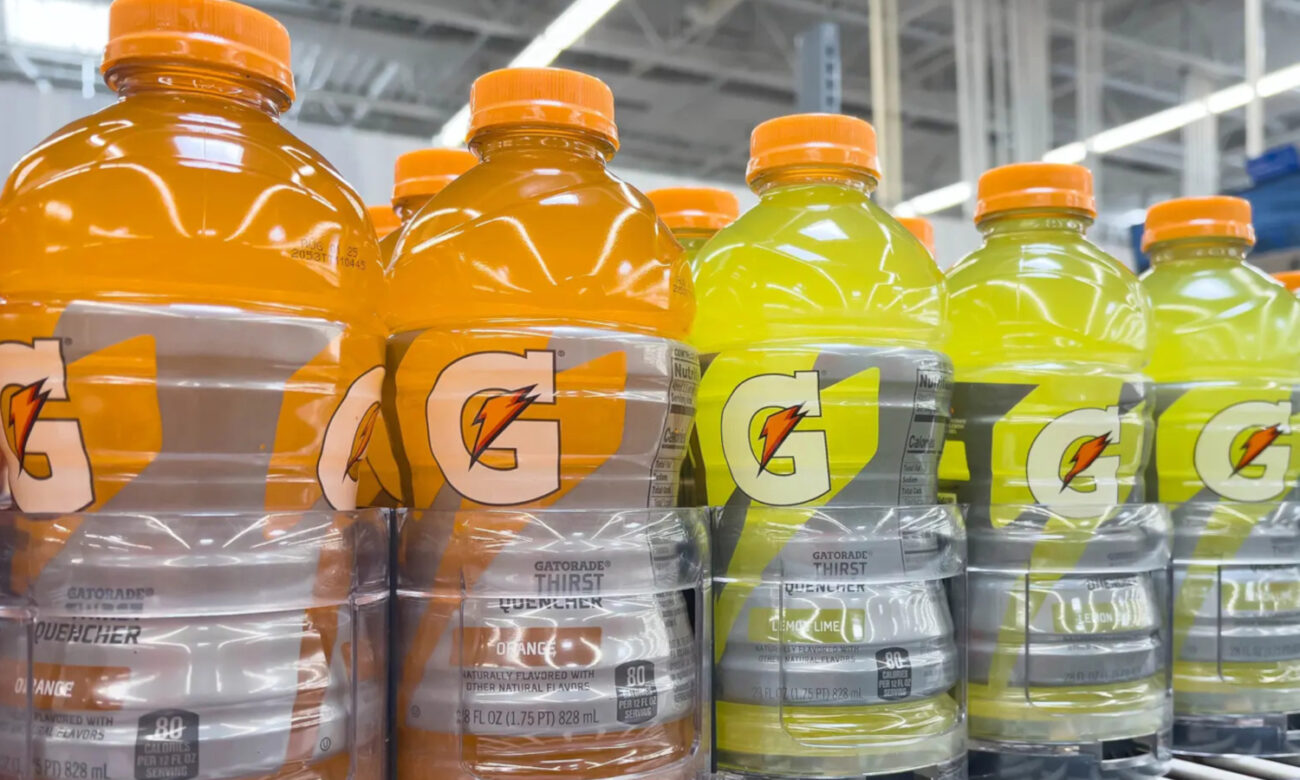
PepsiCo voluntarily initiated a recall of 122,021 cases of Gatorade after determining that some 28-ounce bottles contained undeclared color additives. The company acted on Sept. 25, 2026; the FDA classified the action as Class II on Oct. 2. Four flavors are affected: Gatorade Lemon Lime, Lemon Lime Zero, Orange, and Orange Zero. The issue is Yellow No. 5 and Yellow No. 6 — dyes that the available recall reports indicate were present in affected bottles but absent from their labels.
What’s Actually in the Bottle
The recall is a labeling issue, not a contamination event — but for consumers with dye sensitivities, the missing information matters.
Yellow No. 5 (tartrazine) and Yellow No. 6 (sunset yellow FCF) are FDA-approved color additives, legal to use under approved conditions and required to appear on product labels when present. The available recall reports identify a labeling issue involving undeclared color additives, not bacterial or foreign-material contamination. Consumers with known dye sensitivities or allergies were not given label information the FDA’s color-additive rules require to be disclosed. As the FDA states, “color additives must be approved and used according to approved conditions, specifications and restrictions.”
How to Check Your Bottle
Lot code and best-by date — not taste or appearance — are the only reliable ways to identify an affected product.
- Affected products are 28-ounce bottles of the four flavors listed above
- Distribution reached 37 states, including California, Texas, New York, Florida, and Illinois — the full state list is available via the FDA recall database
- Recalled lot codes include 091026 DL, 072226 DT, 073126 TL, and 082526 KM, among others; best-by dates range from April to June 2027
- If your bottle matches: do not drink it; return it to the retailer for a refund, or discard it in a sealed container
- Consumers who experience concerning symptoms after consuming the product should consult a healthcare provider
Consumers should rely on the lot code and best-by date printed on the packaging rather than taste or appearance, since the dyes are present in affected bottles but not declared on the label. Cross-reference both pieces of information against the recalled list on the FDA’s website before drawing any conclusion about a specific bottle.
What to Do Right Now
If your bottle matches, the steps are straightforward — stop, return or discard, and monitor.
If the lot code and best-by date on a 28-ounce bottle match the recalled list, stop drinking it. Return it to the retailer for a refund or place it in a sealed container for disposal. Anyone who feels unwell after consuming the product should contact a healthcare provider for guidance.
The broader context is steadying. PepsiCo voluntarily initiated the recall, and the FDA classified it as Class II — meaning serious health consequences are considered remote, though temporary or reversible effects remain possible, particularly for those sensitive to synthetic dyes. The CBS News and ABC News reports reviewed for this article did not identify any reports of illness tied to the recall as of Oct. 5, 2026. This is a labeling failure, not a reason to avoid sports drinks broadly — and the voluntary action reflects the recall system functioning as intended.