

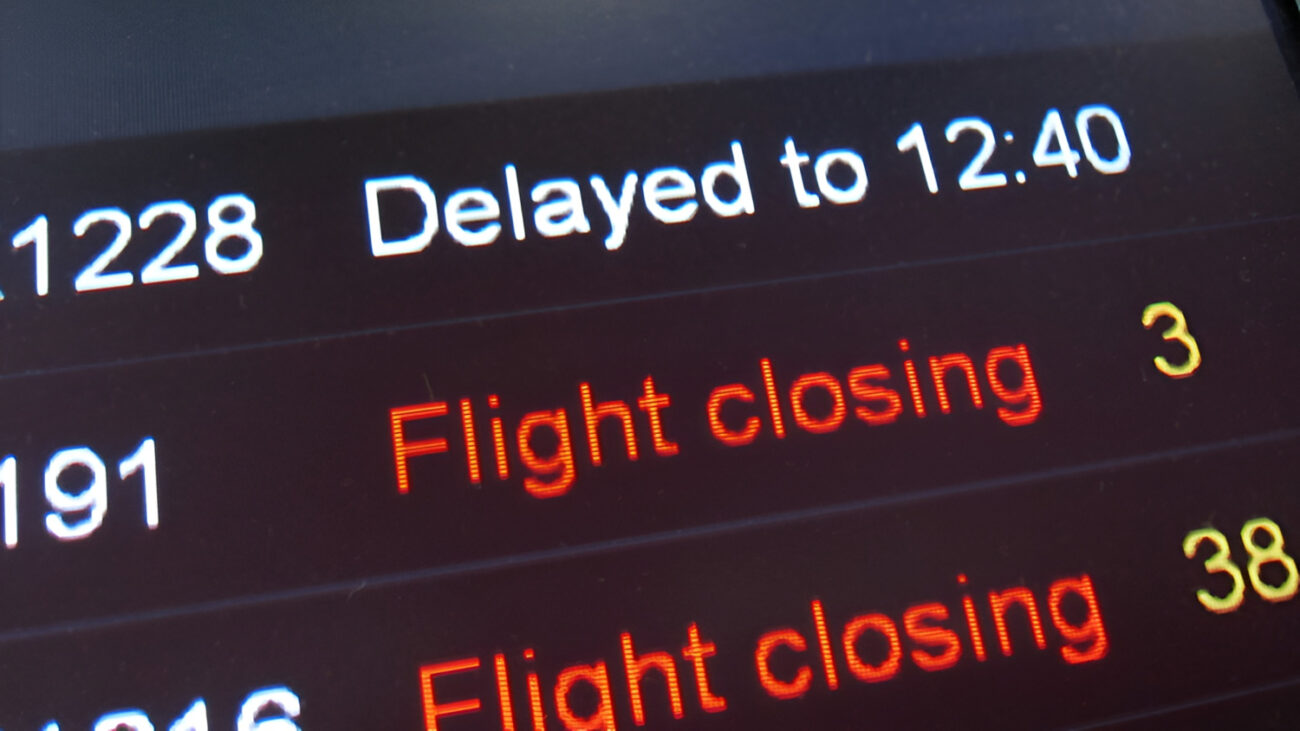
Stranded at Gate 47, flight canceled, bracing for a hotel voucher — and the gate agent says no. Under the DOT’s new Section 511(b) rule, implementing the FAA Reauthorization Act of 2024, that outcome may now simply reflect current law.
The key word is “controllable.” When airlines publish customer-service commitments — hotel rooms, meal vouchers, ground transport — those promises apply to disruptions within their control. Section 511(b) carves out 10 specific scenarios that Congress determined fall outside that definition. Starting October 19, 2026, airlines facing these situations are not federally obligated to provide the amenities many travelers expect. Voluntary assistance remains permitted. It is simply no longer required.
The 10 Disruptions Now in a Gray Zone
Know these categories before your next flight — they determine what help, if any, the airline must provide.
According to the DOT Federal Register, these disruption types now fall outside standard controllable-disruption commitments:
- Aircraft cleaning required after the death of a passenger
- Aircraft damage caused by extreme weather, foreign-object debris, or sabotage
- Baggage or cargo loading delays from a baggage-system outage outside airline or contractor control
- Cybersecurity attacks, when the airline complies with applicable cybersecurity regulations
- Unexpected government system shutdowns directly affecting safe flight operations
- Overheated brakes caused by a safety incident requiring emergency procedures
- Certain unscheduled maintenance required by an airworthiness directive that cannot be deferred or must be completed before departure
- Medical emergencies requiring attention when the airline is not at fault
- Removal of an unruly passenger
- Airport closures caused by volcanic ash, wind, or wind shear
What You Can Still Do
Fewer guarantees does not mean fewer options — but knowing what to ask makes all the difference.
Refunds remain available. According to the DOT, if an airline cancels or significantly changes a flight and a traveler declines the alternative offered, that passenger may be entitled to a refund of the applicable ticket price to the original form of payment.
Voluntary assistance is still on the table, too. Airlines retain the ability to provide meals, hotel accommodations, and rebooking — including on another carrier, depending on the airline’s policy and circumstances — even when no federal obligation exists. Travelers should ask the gate agent directly: What is the next available flight? What options exist for reaching the destination? And if travel is declined entirely, does the situation qualify for a refund?
Premium credit cards with travel protection benefits may also cover meals and lodging costs in some delay situations. Coverage varies by card, requires documentation, and carries claim deadlines. Reviewing the card’s terms before assuming protection applies is essential.
Save everything: boarding passes, delay notices, receipts, and any written explanation from airline staff. That paper trail supports a refund request, a DOT complaint, or a credit-card insurance claim.
Before flying this holiday season, check the DOT’s Airline Cancellation and Delay Dashboard for a specific carrier’s published commitments. The rule shifts leverage — it does not eliminate options. Asking the right questions, and documenting the answers, is now the most practical protection a traveler has.