

Victoria, Gozo‘s quiet capital, has been recommended as European Capital of Culture for 2031 — Malta’s second city to receive the title, following Valletta in 2018.
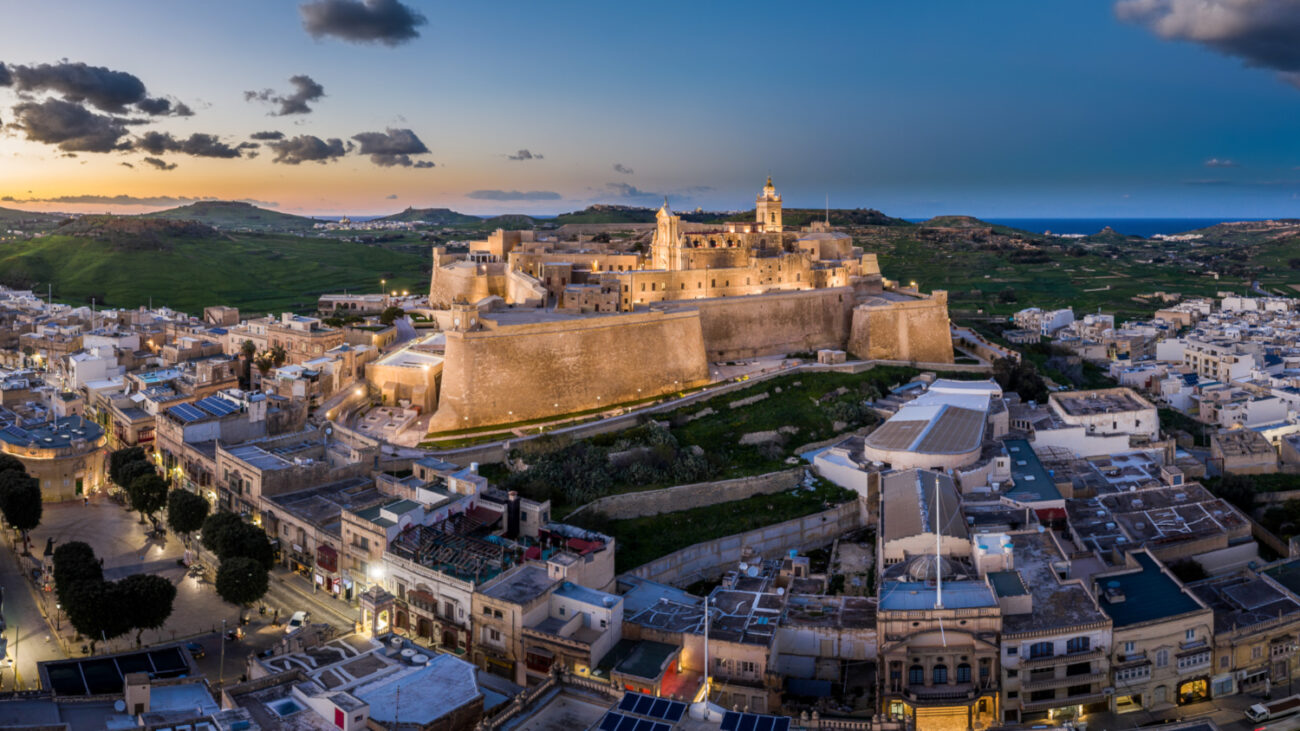
Most visitors to Malta never cross to Gozo. Those who do often move through Victoria — locally called Ir-Rabat — quickly, pausing for the medieval Citadel and a pastizzi before heading on. That pattern may soon change. On 23 September 2026, an independent EU expert panel recommended Victoria as Malta’s European Capital of Culture for 2031, following a national competition in which it advanced past Birgu across two selection rounds. Formal designation still follows Maltese member-state procedure, but the recommendation marks a clear turning point for this unhurried island capital.
A Vision Built on Slowness, Not Spectacle
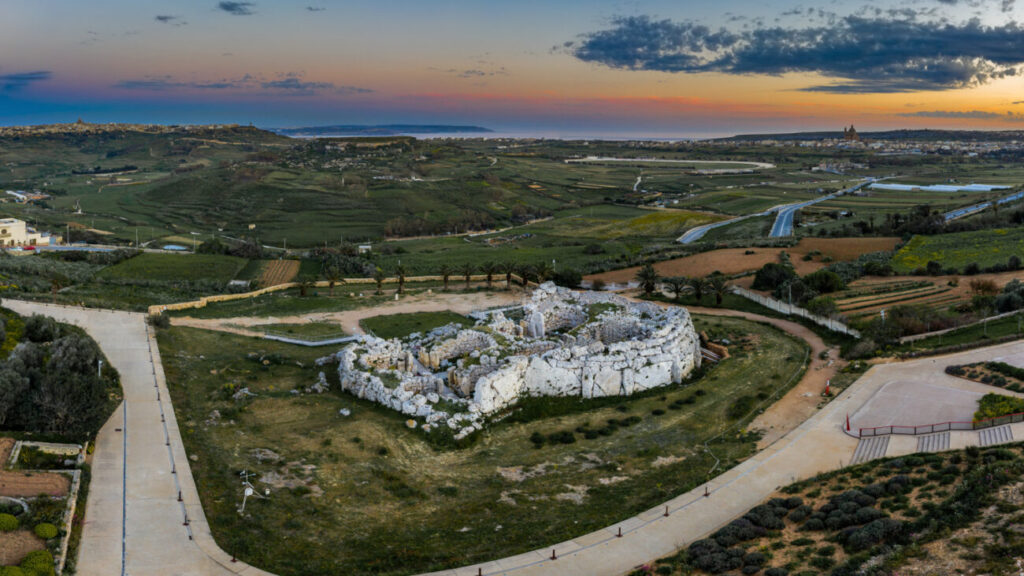
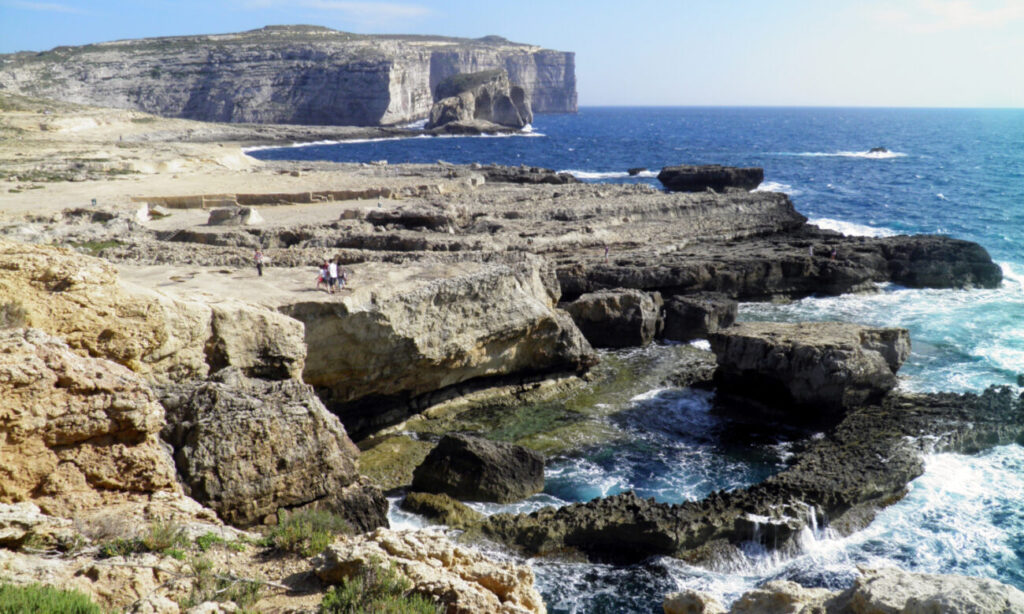
The bid’s “Island of Islands” framework presents Gozo as a connected network of communities, landscapes and inherited traditions — not a peripheral stop.
Victoria’s recommended bid carries the title “Island of Islands,” structured around three Mediterranean themes: Coast, Salt and Waves. Rather than positioning Gozo as an isolated dot on the map, the vision emphasises the relationships among its people, places and cultural practices. Samuel Azzopardi, head of the Victoria 2031 Foundation, framed the programme’s character around slowness, care and courage — words that, on an island where the opera season runs through October and village festas shape the social calendar, read less like marketing and more like observation.
A few facts worth keeping in mind:
- Victoria is set to become Malta’s second European Capital of Culture; Valletta held the title in 2018.
- Designated cities may receive a €1.5 million award through the EU’s Creative Europe programme.
- The 2031 title will be shared with a Spanish city, not yet confirmed at time of publication.
- Specific cultural events and programming for 2031 have not yet been announced.
Food Here Is Social, Not Theatrical
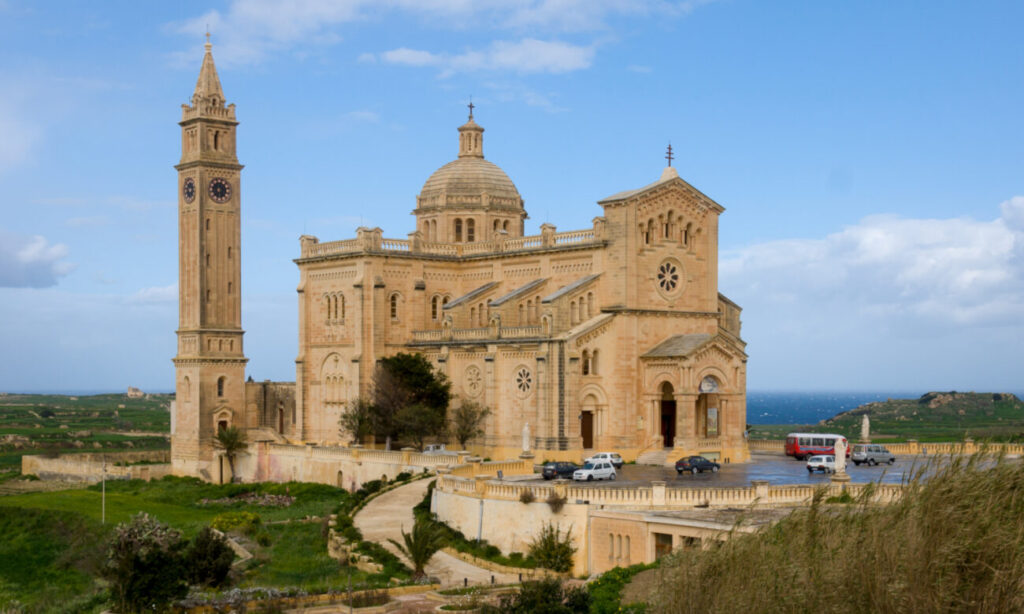
Gozo’s culinary traditions are woven into community life — from village festas to local bakeries — rather than set apart for visitors.
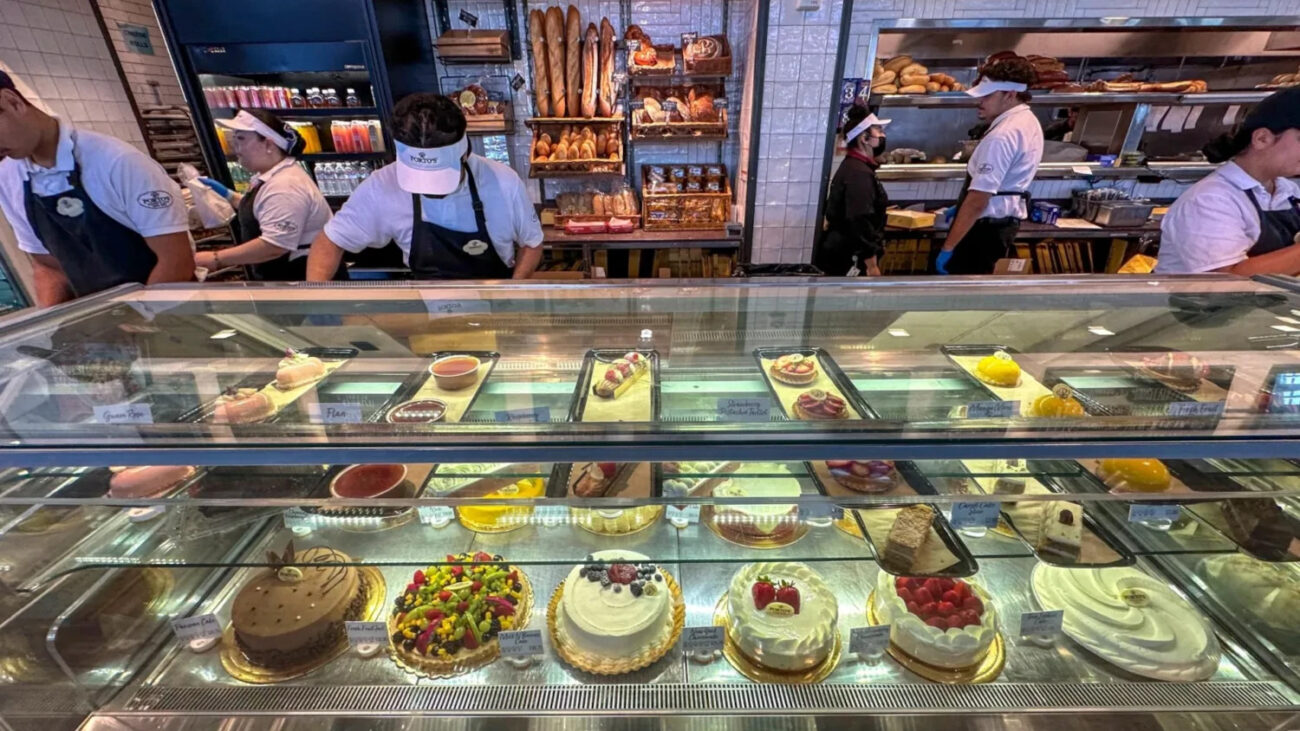
Gozo’s food identity runs through its community life rather than its restaurant listings. Ġbejniet — small, round local cheeses traditionally made from sheep’s milk — appear at village tables alongside pastizzi, Gozo ftira (a distinctive local flatbread), ħobż biż-żejt and seasonal sweets like imqaret and qubbajt. These dishes are closely tied to festas, processions and everyday café culture, making food part of Gozo’s social fabric rather than a separate visitor attraction.
Victoria sits at the island’s centre and serves as Gozo’s main transport hub, making it a practical base for exploring outward. The Citadel provides the landmark panoramic view across much of the island. Below it, the city’s squares, bakeries and independent cafés offer a more immediate sense of daily life — the kind of slower, community-rooted rhythm that travellers who have exhausted Europe’s obvious capitals tend to seek out.
By 2031, that rhythm will have an international spotlight on it. For those who prefer to arrive ahead of the crowd, the time to pay attention to Victoria is now.