

Cart filling fast, no real plan, grabbing things that seemed useful. You get home, open the fridge, and find three half-used cans of something and a bag of spinach making its final stand. Cookbook author Jenn Lueke says this illustrative scenario is all too common — and the damage starts long before the automatic doors slide open. Her book, Don’t Think About Dinner, identifies failure to plan ahead as the No. 1 grocery mistake shoppers make. The fix isn’t meal prepping like a fitness influencer. It’s spending less and wasting less with minimal effort.
The Real Problem Happens at Home, Not the Store
Skipping the pantry check before you shop is where the money actually disappears.
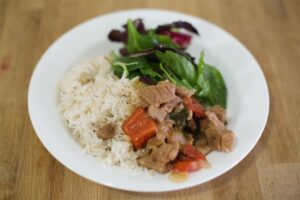
Before writing a single item on a list, Lueke recommends scanning the refrigerator, freezer, and pantry first — buying only what fills actual gaps. The pressure to cook something new and elaborate every night? Expensive and unnecessary, she says. Her approach centers on a flexible “base recipe”: one reliable formula, like one-pot chicken thighs and rice, that adapts to whatever protein, vegetable, or seasonal produce is already on hand. Swap in squash, asparagus, or frozen peas and it registers as a different meal, potentially without buying another main ingredient.
Lueke’s practical moves before leaving the house:
- Check the fridge, freezer, and pantry before writing anything down
- Pick a handful of flexible base meals instead of planning elaborate new dishes nightly
- Stock versatile staples — canned beans, rice, pasta, quinoa — that anchor multiple meals
- Plan at least two uses for any ingredient likely to be only partially used
- Use sauces, spices, and seasonal vegetables to make the same meal feel different
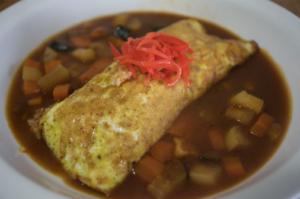
Frittatas and bowl-style meals work well as catch-all formats. A frittata handles the vegetables approaching the end of their useful life; a grain bowl absorbs the rest. Think of both as a kitchen reset button that clears the board before the next week begins.
If you’re working with a tight weekly budget, Lueke points to carrots, onions, potatoes, and sweet potatoes as low-cost, filling anchors. Pair them with chicken thighs, tofu, or chickpeas, and a $50–$75 shopping trip — her example range for a particular scenario, not a universal grocery bill — can stretch considerably further than an unplanned run.
One Ingredient, Multiple Meals
A different spice blend can make Tuesday’s chicken taste nothing like Thursday’s.
Spice blends and homemade sauces carry real weight here — same protein, completely different flavor profile, without necessarily buying another main ingredient. Lueke’s cookbook structures this thinking across 12 weeks of themed dinner plans, 125-plus recipes, and substitution guidance, making it a repeatable system rather than a collection of isolated recipes. As Lueke told Fox News: “The No. 1 biggest mistake is just not taking the time to plan ahead.”
The list isn’t the boring part. It’s the part that means leaving the store with what was actually needed — and far less chance of finding forgotten produce wilting in the crisper by Thursday.