

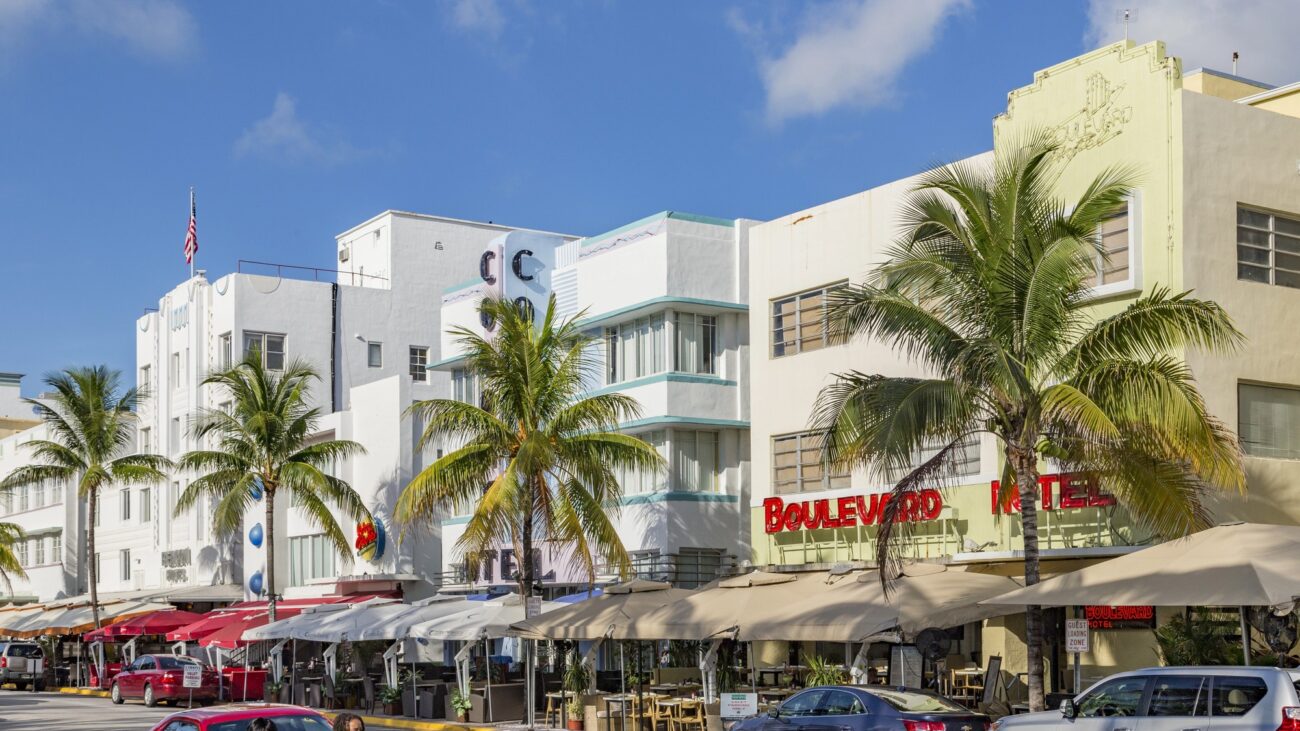
Most travelers still default to NYC when someone asks where to eat across five continents without a passport. That assumption just got quietly dismantled. Holafly’s “World’s Most Diverse Food Cities 2026” report — which analyzed TripAdvisor restaurant data across major global cities, measuring the share of local versus international cuisine — found that 75% of Miami’s restaurants serve international cuisine. That’s the highest share of any U.S. city in the study, and good enough for third place globally, tied with Munich.
The Numbers Behind the Neighborhood
Miami outpaced NYC, LA, and San Francisco — once you understand how the ranking actually works.
Worth noting upfront: Holafly is a travel eSIM company, and this report doubles as content marketing. Methodology matters. Their measure rewards cities where international cuisines dominate over local ones — which is exactly where Miami wins.
Melbourne led at 79%, Berlin came second at 78% — a result that echoes the food diversity found in Rural Germany more broadly. NYC ranked seventh at 71%. LA and San Francisco both landed at 68%. A separate Preply analysis and a 2016 Business Insider/Trulia ranking, using different frameworks, placed other cities higher. “Most diverse” always depends on what you’re counting — and within Holafly’s specific metric, Miami leads every American city in the study.
What Holafly’s 75% actually looks like on the ground:
- A cafecito and pastelitos at a Little Havana ventanita — the walk-up window that’s a daily ritual, not a tourist prop
- Haitian griot and Jamaican oxtail in Little Haiti and surrounding Caribbean neighborhoods
- Japanese omakase, Lebanese mezze, Ethiopian injera, and Turkish kebabs scattered across Wynwood, Brickell, and Miami Beach
- One practical itinerary: Cuban breakfast, Caribbean lunch, Moroccan dinner — all within city limits, no connecting flight required
Should You Book the Flight?
The beach reputation isn’t bad. It’s just incomplete.
Miami’s evolution from nightlife shorthand to serious food destination isn’t a branding exercise. It’s demographic reality. Cuban, Haitian, Jamaican, and broader Latin American immigrant communities built this culinary infrastructure over generations. World Red Eye captured it cleanly: “a global tasting ground, where cultures converge on a single menu.” The ranking reflects structural restaurant data rather than seasonal festivals, so it holds year-round — no asterisk required.
NYC had the reputation. LA had the weather narrative. Miami just showed the receipts: three out of every four restaurants serving food rooted somewhere else entirely. That’s not a gap in local identity. That’s the whole point of the city.