

The “California of Europe” moniker gets thrown around like confetti at destination marketing conferences, but Portugal’s Algarve actually earns it. This southern coastal region serves up 150-plus beaches, vineyard-dotted hills, and a food scene that revolves around copper pots of seafood stew. The comparison to California’s Central Coast isn’t just marketing speak—both regions share Mediterranean climates, rolling vineyards that tumble toward dramatic coastlines, and that particular blend of relaxed luxury that makes wine country travel bucket list irresistible.
Why the Nickname Actually Works
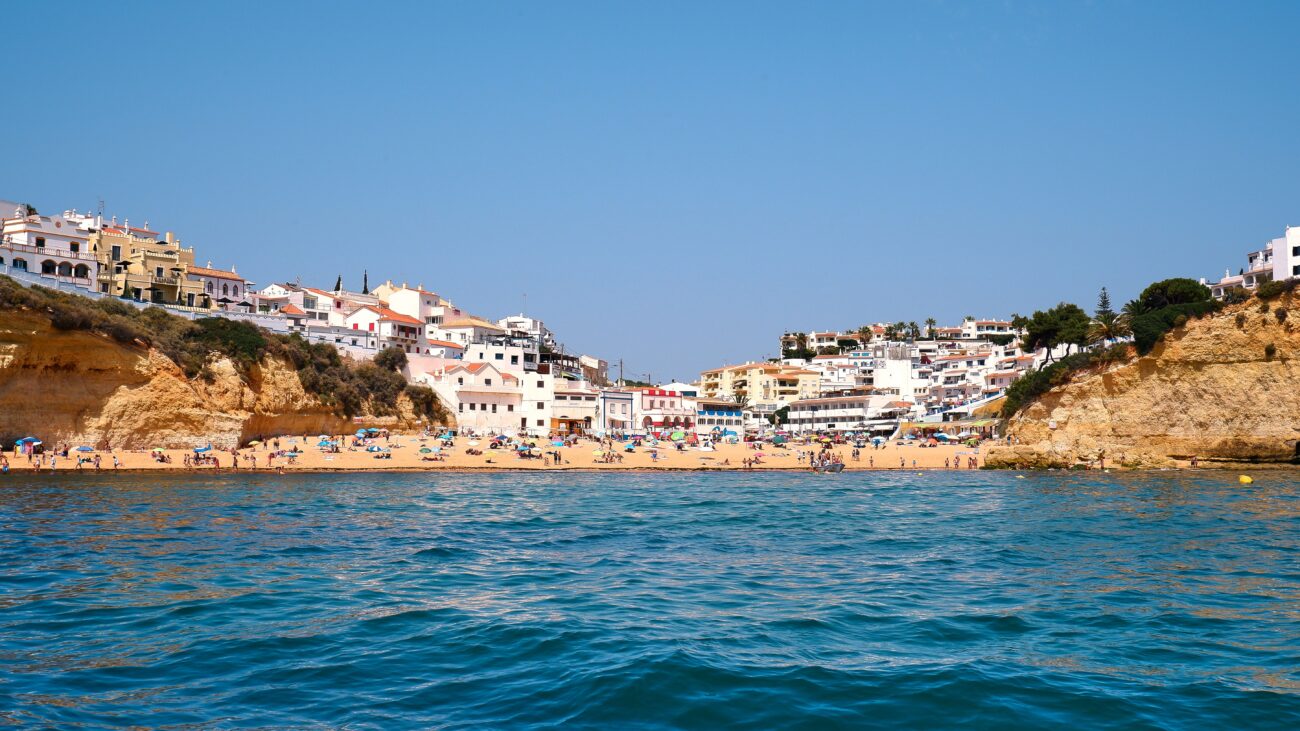
The Algarve’s 3,000-plus hours of annual sunshine rival any California wine region, creating ideal conditions for both beach lounging and grape growing. Limestone cliffs frame golden beaches along an extensive Atlantic coastline, while inland, the Monchique Mountains shelter vineyard-covered hillsides dotted with quintas—Portugal’s answer to Napa’s boutique wineries.
Unlike California’s Central Coast, which spans 250 miles and can feel sprawling, the Algarve keeps everything within manageable driving distance. You can taste wines at a hillside quinta in the morning and watch the sunset from a Blue Flag beach in the evening.
The region’s Mediterranean-type climate mirrors California’s Central Coast AVA, where marine influence moderates temperatures across diverse vineyard landscapes. Both destinations offer that coveted combination of coastal drama and rolling wine country that defines luxury travel.
The Seafood-Centric Reality Check
California wine country celebrates farm-to-table cuisine, but the Algarve is fundamentally ocean-to-table territory. The signature dish, Cataplana de Marisco, arrives in a distinctive copper clamshell pot filled with shellfish, herbs, and the day’s catch. This isn’t California’s polished tasting room culture with charcuterie boards—it’s more rustic, more tied to fishing boats and family recipes.
The quintas offer wine tastings, but they’re often combined with simple meals showcasing local produce and seafood. Resort restaurants lean heavily into this Atlantic-meets-agriculture identity, serving dishes that would feel foreign in Paso Robles but make perfect sense when you’re surrounded by both vineyards and fishing villages.
Fresh seafood drives every menu, from grilled sardines at beachside tavernas to elaborate seafood rice dishes at resort dining rooms. The copper cataplana pot isn’t just cookware—it’s the symbol of how Portuguese coastal culture transforms simple ingredients into memorable experiences.
The Algarve’s appeal lies in delivering that wine-country-meets-coast lifestyle that California perfected, but with Portuguese soul and fewer crowds clogging the scenic routes.