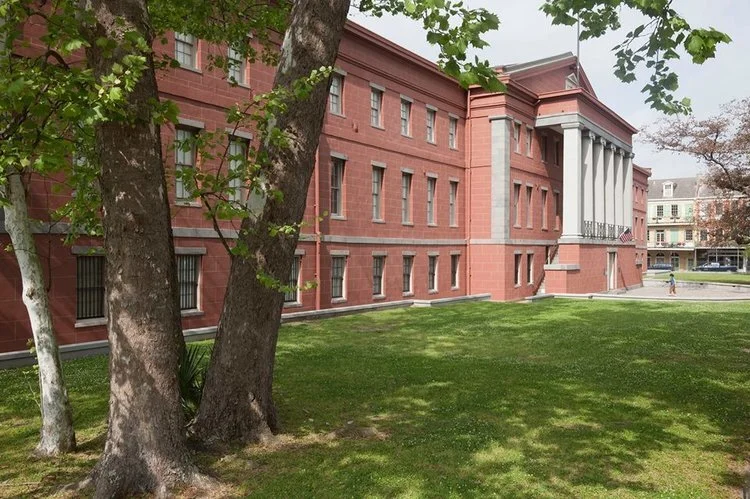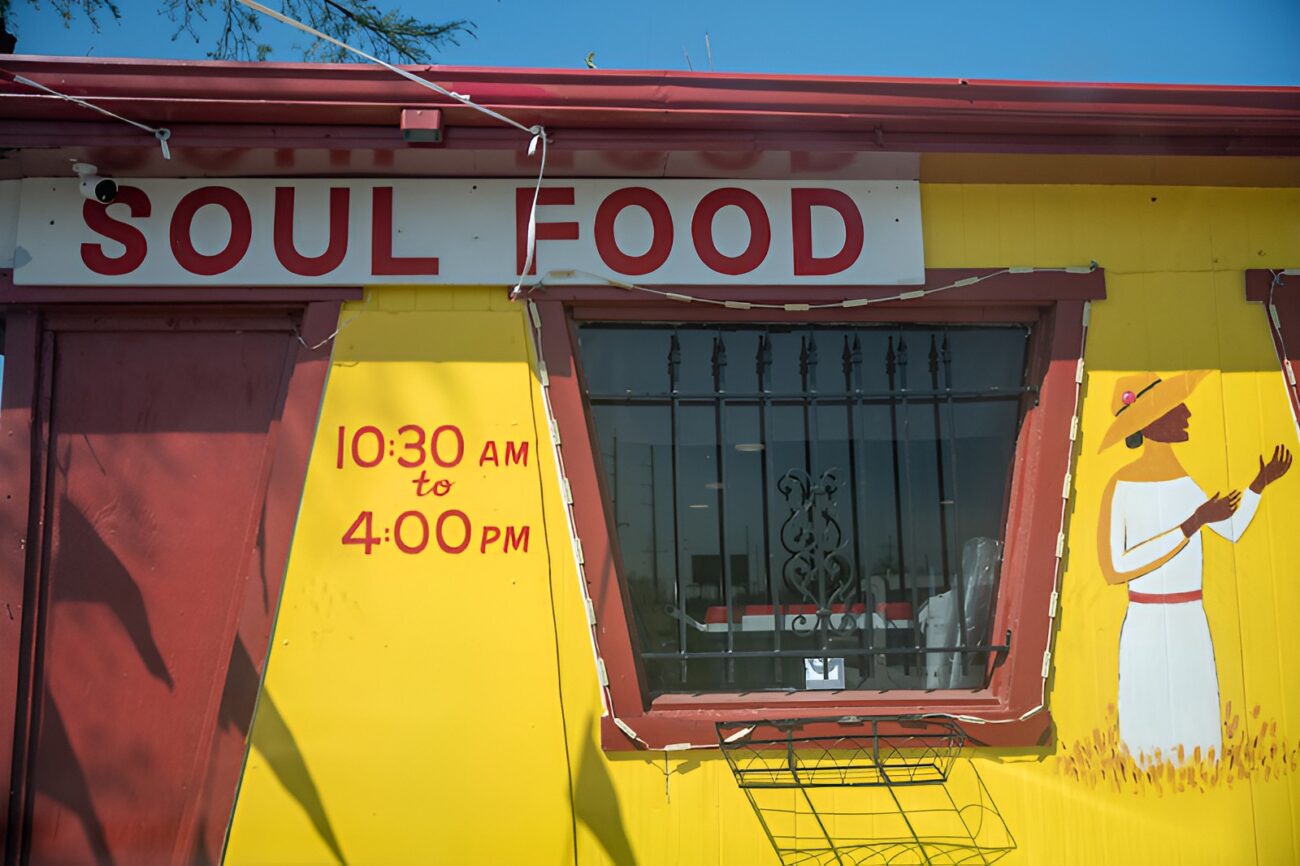


A pink building at 2301 Orleans Avenue in Treme serves the same fried chicken and gumbo that fed Civil Rights leaders when they couldn’t meet anywhere else in segregated New Orleans. Dooky Chase’s Restaurant has operated since 1941 as a Creole fine dining institution where the food and the history matter equally.
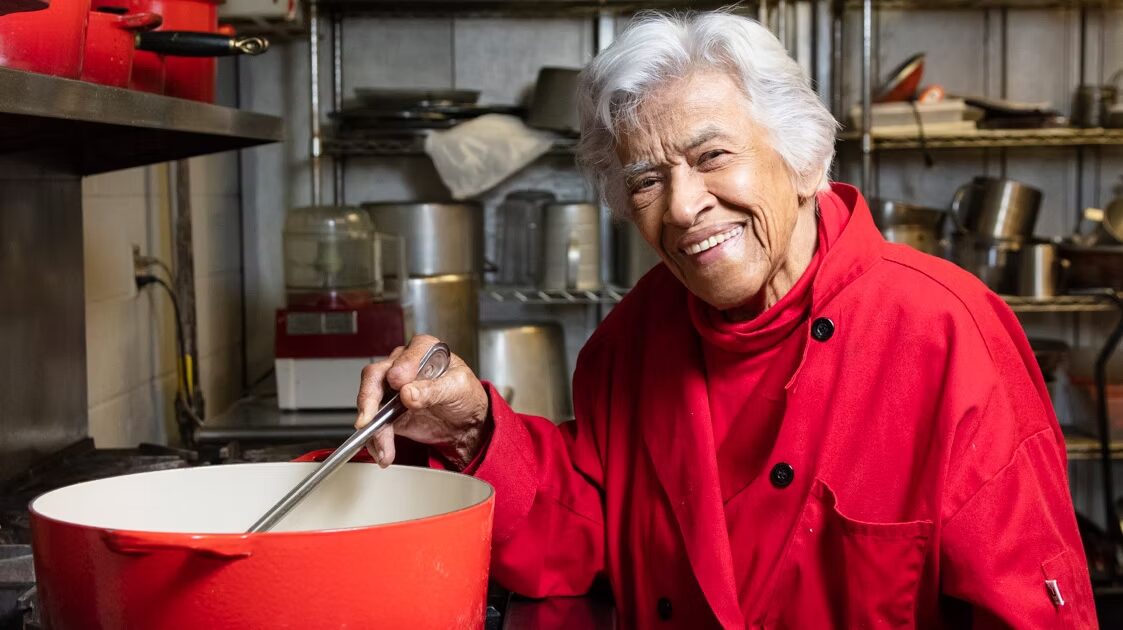
Chef Leah Chase ran the kitchen from 1946 until her death in 2019 at age 96. She turned her in-laws’ sandwich shop into white-tablecloth Creole dining when Black people couldn’t eat at most New Orleans restaurants. During the 1960s, Civil Rights organizers met in the upstairs dining room to plan voter registration drives and protests. Martin Luther King Jr., Thurgood Marshall, and local NAACP leaders ate Leah’s gumbo while planning integration strategy. The restaurant was neutral ground where Black and white organizers could meet without police harassment.
Leah Chase earned the title “Queen of Creole Cuisine” by cooking traditional Creole food without shortcuts. Her fried chicken uses a specific buttermilk brine and seasoned flour recipe. The chicken is browned in cast iron, then finished in the oven so it stays moist inside the crispy coating. $18 for a quarter chicken with two sides. Order it. This is what fried chicken tastes like when someone who cooked it for 70 years makes it.
The gumbo changes daily. Thursday is gumbo z’herbes, a meatless green gumbo traditionally served on Holy Thursday. It contains seven or more greens: collards, mustard greens, turnip greens, spinach, cabbage, parsley, watercress. The number of greens brings good luck. The gumbo is thick, earthy, deeply flavored. Other days feature seafood gumbo or chicken and sausage. $9 for a cup, $12 for a bowl.
The lunch buffet runs Tuesday-Friday 11am-3pm for $25. It includes rotating Creole dishes: smothered chicken, red beans and rice, stuffed bell peppers, jambalaya, macaroni and cheese, greens. The buffet shows home-style Creole cooking, the food Leah Chase cooked for her family.
The restaurant walls display African American art collected by Leah Chase over decades. Works by Elizabeth Catlett, John Biggers, and local New Orleans artists cover every wall. The collection is worth millions. Leah believed art belonged in public spaces where Black people could see themselves represented. The restaurant functions as an unofficial gallery.
Dooky Chase’s reopened in 2007 after Hurricane Katrina flooded the building with eight feet of water. Leah Chase was 84 years old. She rebuilt the restaurant, the kitchen, and the art collection. She cooked until weeks before her death.
The current kitchen is run by Leah’s family including daughter-in-law Zella Chase Palmer and granddaughter Cleo Robinson. They cook Leah’s recipes. The fried chicken tastes the same. The gumbo follows her methods. The restaurant maintains standards Leah set.
Dooky Chase’s operates Tuesday-Thursday 11am-3pm, Friday 11am-3pm and 5pm-9pm, Saturday 5pm-9pm. Closed Sunday-Monday. Dinner requires reservations. Phone: (504) 821-0600. The restaurant books up weeks in advance for Friday and Saturday dinner. Lunch is easier to get into with walk-ins accepted.
The dining room has white tablecloths, chandeliers, and formal service. This is dress-up dining, not casual eating. The restaurant expects respect for the space and the history. No tank tops, no flip-flops at dinner.
Prices run $18-32 for main dishes at dinner. The buffet is $25 at lunch. This is fine dining by New Orleans standards, affordable compared to most white-tablecloth restaurants. You’re paying for history and tradition as much as food.
Treme is the oldest Black neighborhood in America. Dooky Chase’s sits in the heart of it, three blocks from Congo Square where enslaved people gathered on Sundays. The restaurant is surrounded by Creole cottages, second-line parade routes, and the Backstreet Cultural Museum. Eating here connects you to Black New Orleans history in ways tourist restaurants can’t.
Leah Chase cooked for presidents, fed protesters, survived Katrina, and rebuilt at 84. She refused to retire. The restaurant represents her life’s work and the Civil Rights Movement’s meeting place. The fried chicken is excellent. The history makes it essential.