


Esplanade Avenue runs about three miles from the foot of the Mississippi River to the entrance of City Park, and for nearly its entire length the road sits under a canopy of live oaks old enough to have shaded carriages before there were cars to drive underneath them. Late August is when that canopy earns its keep. The storms build fast and hard this time of year, and driving the avenue end to end while one rolls through delivers four very different versions of the same street.
Esplanade at Decatur
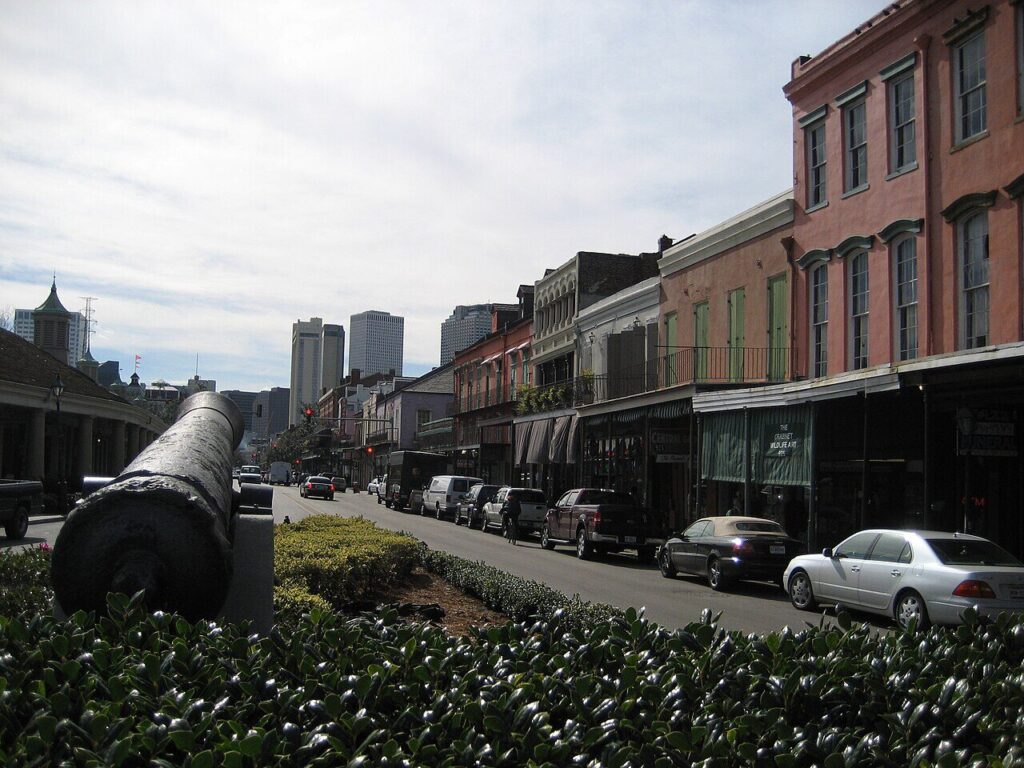
The drive starts at the river, where Esplanade meets Decatur Street at the downriver edge of the French Quarter. The oaks haven’t fully taken over yet this close to the water, and the architecture here skews toward the avenue’s oldest buildings, the ones that went up when this stretch was still developing in the early 1800s. A summer storm rolling in off the Gulf hits this open stretch first, the rain coming in sideways before the canopy further up the avenue has a chance to break it.
This intersection also marks the start of Frenchmen Street, which branches off just opposite the New Orleans Jazz Museum. Pulling over here before the rain gets serious means a quick retreat into a bar or restaurant with live music already warming up for the evening, a reasonable consolation prize if the storm outlasts the drive.
Esplanade at Broad
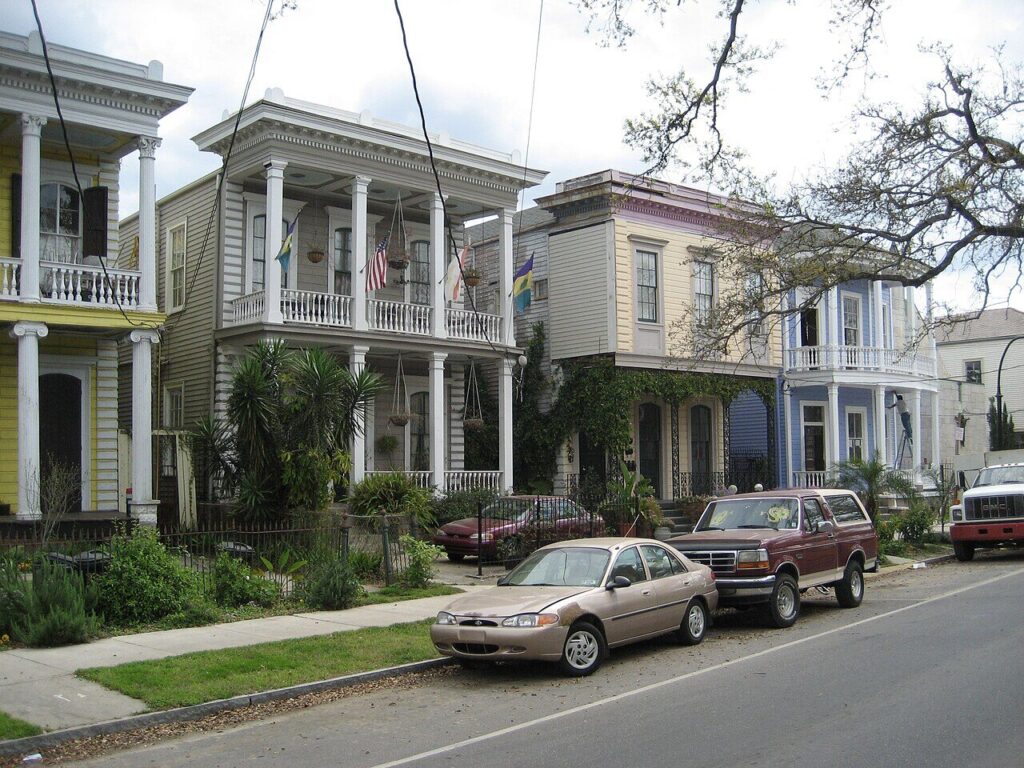
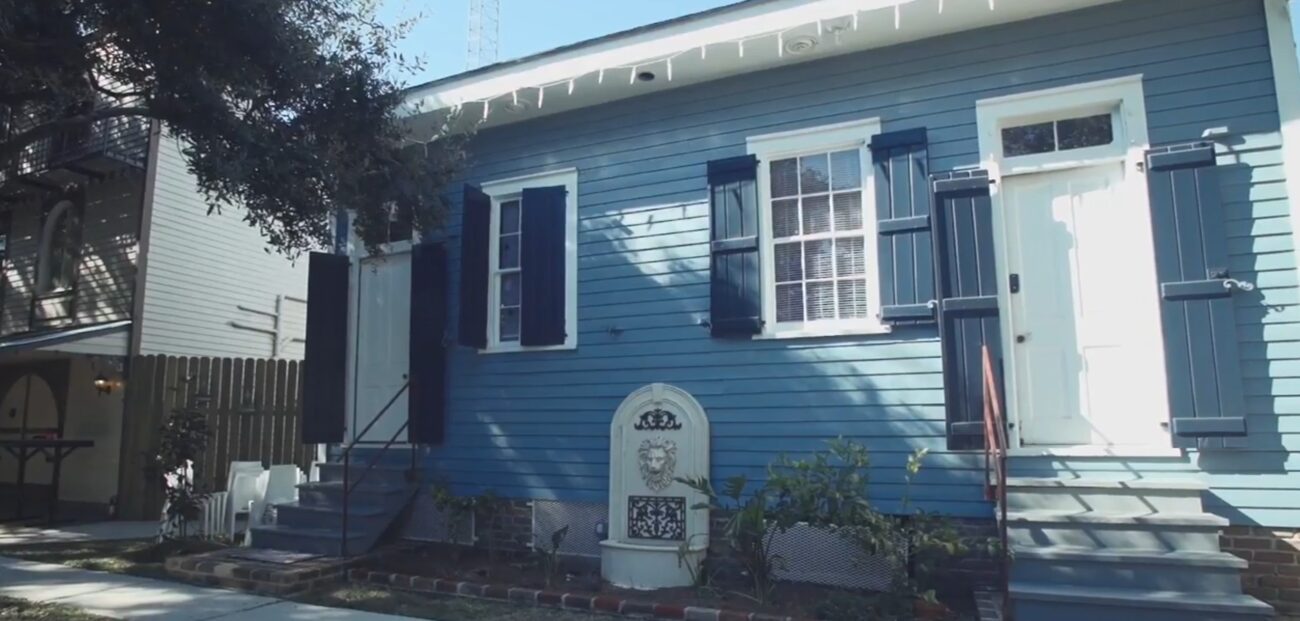
By the time the avenue crosses North Broad Street, the oak canopy has closed in fully overhead, and the houses on either side shift into the Faubourg Treme architecture that defines this stretch, mansard roofs, Second Empire detailing, and the occasional Italianate facade dating to the 1850s. Rain falling through this section of canopy arrives delayed and diffused, dripping off leaves long after the storm itself has technically passed overhead, which means the windshield keeps working well after the sky has started to clear.
Broad Street itself has reemerged as a commercial corridor along this stretch, and a handful of bars and corner restaurants sit close enough to the intersection to duck into if the storm runs longer than expected. The crossing itself is one of the louder moments of the drive, since Broad carries enough traffic to compete briefly with the thunder.
Esplanade at Moss
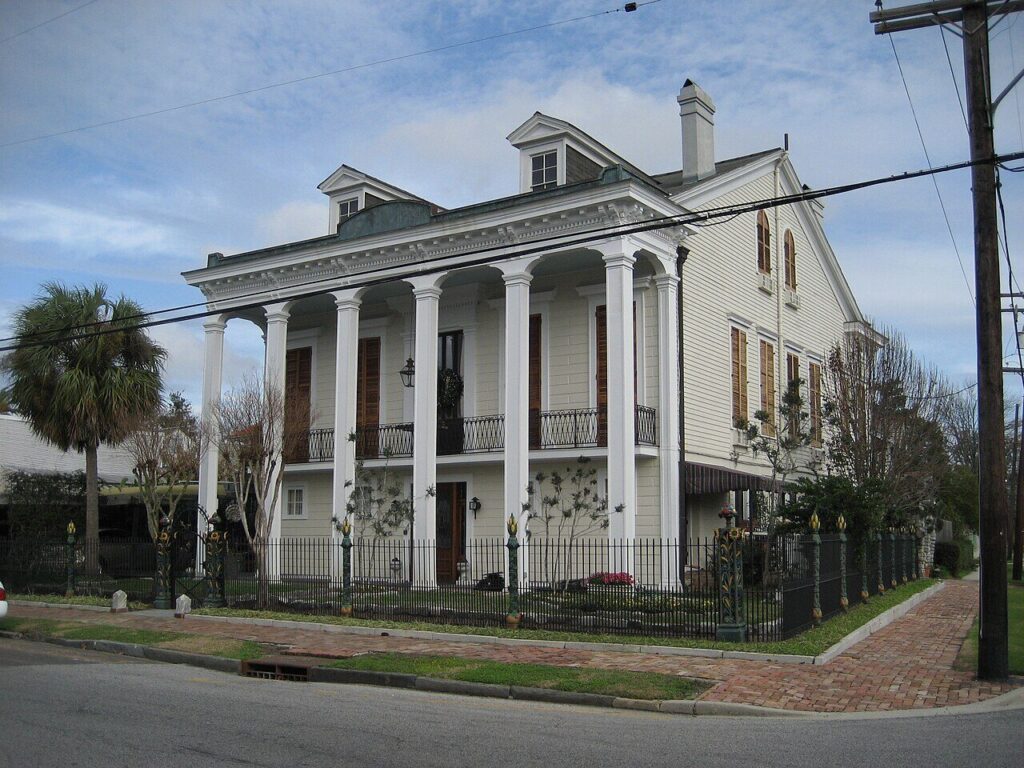
Past North Broad, the avenue settles into the Esplanade Ridge and Faubourg St. John section, where the houses turn into the elegant Creole mansions and townhouses the street built its reputation on. Esplanade crosses Moss Street and Bayou St. John in close succession here, and the combination of bayou water and a hard rain produces a specific kind of humidity that sits heavy in the car even with the windows up.
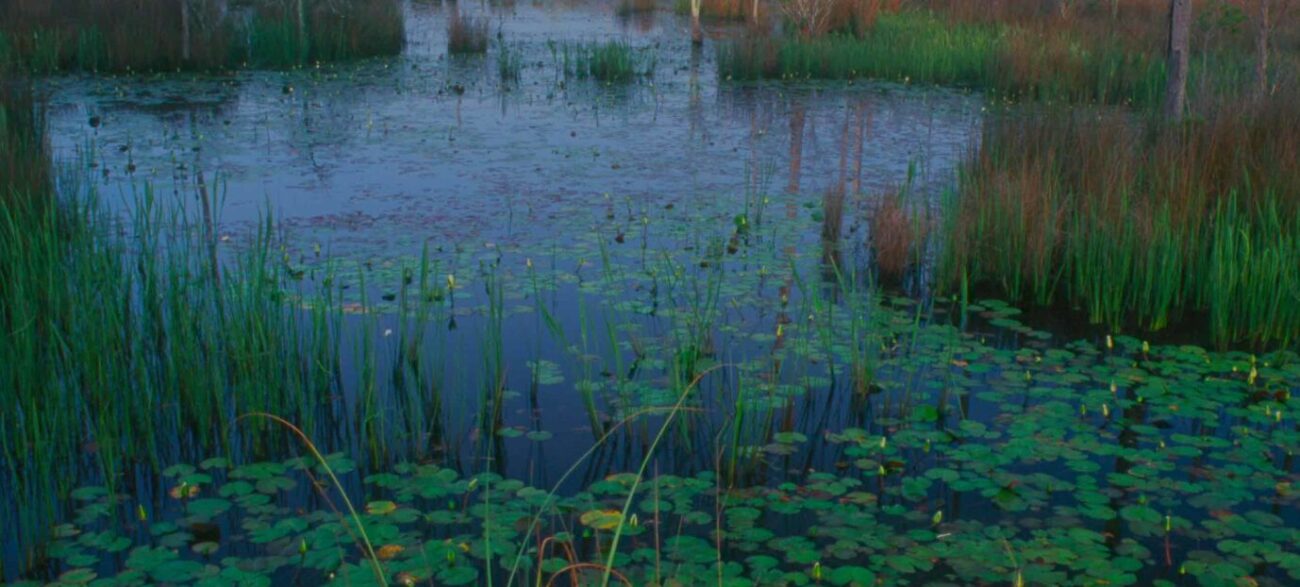
This is roughly the stretch where Edgar Degas stayed with his American relatives in 1872 and 1873, and the architecture along here has barely changed since. The rain falling on Bayou St. John itself, visible through the trees on the Moss Street side, turns the water the color of the storm clouds above it, dark and flat until the wind picks it up into small whitecaps.
Esplanade at City Park
The avenue ends where it began nearly three miles earlier, crossing Bayou St. John a final time at the entrance to City Park, marked by a statue of General P.G.T. Beauregard. The oaks here are older and wider than anywhere else on the route, some of them centuries old with canopies that touch the ground at their farthest branches, and the rain falling through this density of leaf cover arrives as little more than a heavy mist by the time it reaches the windshield.
Pulling into the park as the storm clears means catching the light shift that happens specifically after a late-August downpour, gold and low through wet leaves, with the humidity hanging visibly in the air for the next hour. Morning Call, the beignet shop that relocated into the park years ago, sits close enough to the entrance to make a fitting final stop once the rain has fully passed.