

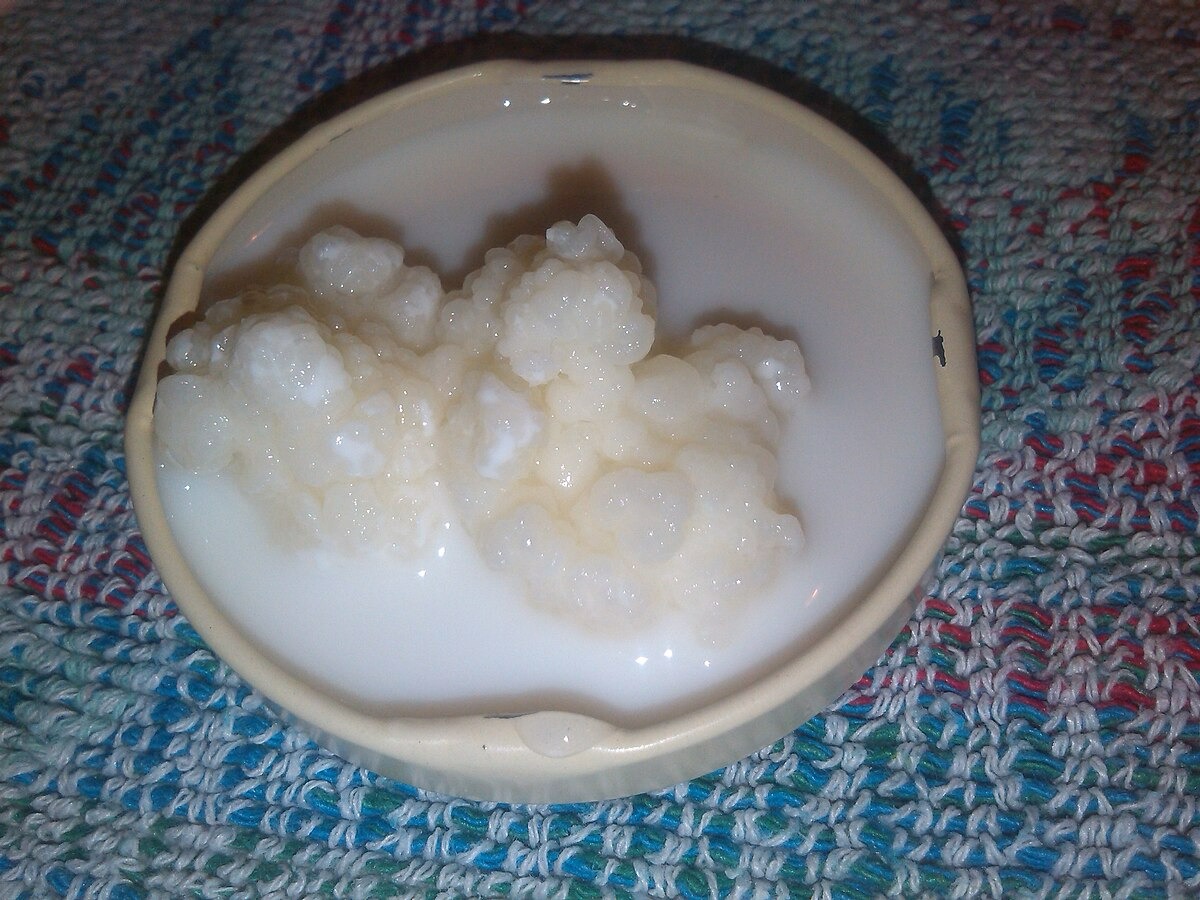
Aging might have met its match in your morning smoothie. Japanese researchers discovered that a specific bacterial strain from kefir can prevent and potentially reverse age-related immune deterioration—a finding that could transform how we approach healthy aging.
Mouse Study Reveals Cellular Fountain of Youth
Eight-week experiment shows dramatic organ preservation and inflammation reduction.
Scientists from Shinshu University fed aged mice heat-inactivated Lentilactobacillus kefiri YRC2606—a strain isolated from kefir—for eight weeks. The results, published in November’s Journal of Functional Foods, stunned researchers.
Mice showed significantly reduced age-related damage in vital organs like the thymus and liver, organs that typically shrivel with age. The bacterial treatment accomplished what aging researchers have long sought: it reduced expression of proteins p16 and p21, which normally block cell division and drive tissue aging.
Even more impressive, treated animals secreted dramatically lower levels of inflammatory molecules IL-6 and TNF-α—the cellular troublemakers behind chronic age-related inflammation.
“To our knowledge, this is the first report demonstrating that inactivated L. kefiri attenuates immunosenescence by regulating the IL-6/STAT3 pathway and alleviating thymic atrophy,” explained lead researcher Hiroka Sasahara. That technical language translates to something remarkable: this bacterial strain targets specific aging pathways that decline immune function as we get older.
From Lab Bench to Breakfast Table
Functional foods could offer practical anti-aging intervention for aging populations.
The timing couldn’t be better. Within the next decade, older Americans will outnumber children for the first time in U.S. history, while Japan already faces a rapidly aging populations. Sasahara envisions YRC2606 becoming an ingredient in functional foods or dietary supplements designed to maintain immune function in older adults.
Traditional kefir already packs nutritional punch—one cup delivers nine grams of protein and over a third of daily calcium needs. But this research reveals the mechanistic magic behind generations of anecdotal health claims.
The catch? This breakthrough comes from mouse studies. Human clinical trials remain the crucial next step before anyone should expect kefir to become an anti-aging elixir.
People taking immunosuppressants should consult physicians before consuming any probiotic-rich foods, and gradual introduction helps avoid digestive discomfort. Still, for a beverage whose Turkish name “keyif” means “feeling of well-being after eating,” kefir’s latest scientific validation feels remarkably on-brand.