

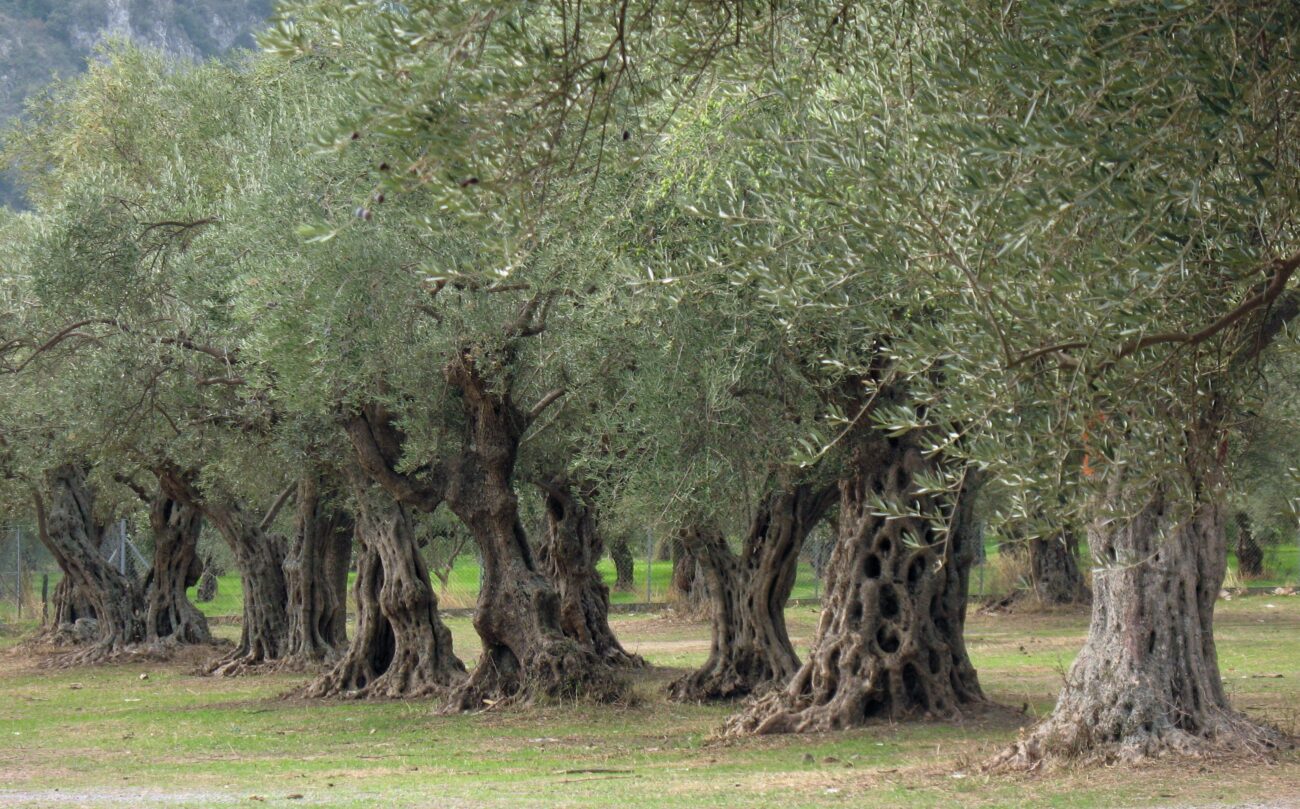
Forget packaged tours—these agricultural programs let you steward century-old groves and return for harvest season labor alongside farming families.
Racing against October weather patterns, you’re bent over ancient olive trees in rural Tuscany, hands stained purple from fruit that will become liquid gold within hours. This isn’t Instagram-worthy farm tourism. Your back aches. Your knees protest. The Tuscan family beside you has been doing this dance for generations, and they’re not slowing down for your comfort.
Welcome to Italy’s adopt-an-olive-tree movement—where authentic agricultural participation replaces sanitized sightseeing.
From Crisis Comes Innovation
Family farms created adoption programs to survive industrial agriculture pressures while preserving traditional cultivation methods.
These programs emerged as small-scale producers in Tuscany, Umbria, and Puglia fought extinction. Industrial olive cultivation threatened centuries-old groves, but adoption schemes provided crucial income while maintaining artisanal methods. Today, dozens of farms across Italy’s premier oil regions offer temporary stewardship of individual trees.
Program essentials include:
- Annual adoptions from €90–€350 (multi-year packages reach €1,500)
- Named certificates with GPS coordinates for your specific tree
- Seasonal photo updates documenting growth from pruning to harvest
- October-November invitation to hand-pick your tree’s olives
- Oil shipments delivered post-pressing, typically 250ml to 5-liter quantities
Harvest Season Demands Real Labor
October participation involves genuine agricultural work—not curated tourist activities designed for convenience.
The experience centers on same-day pressing—olives picked in morning light reach the mill by afternoon, preserving the oil’s distinctive terroir. Evening meals feature communal dining with farm-grown ingredients, reflecting convivio traditions where shared tables strengthen community bonds.
Accommodations integrate into working agriturismos, not luxury hotels isolated from agricultural rhythms. Programs like Tenuta Torciano (a 13-generation winemaking family) and Especially Puglia (focusing on century-old Coratina varietals) explicitly position adoption as cultural preservation against monoculture threats.
You’re not consuming an experience—you’re temporarily joining Italy’s agricultural backbone. Reserve 6-8 months ahead through direct farm contact, bring work clothes, and plan 2-3 night minimum stays. Car rental proves essential for rural access. Most importantly, expect authentic labor conditions rather than sanitized tourist convenience.