

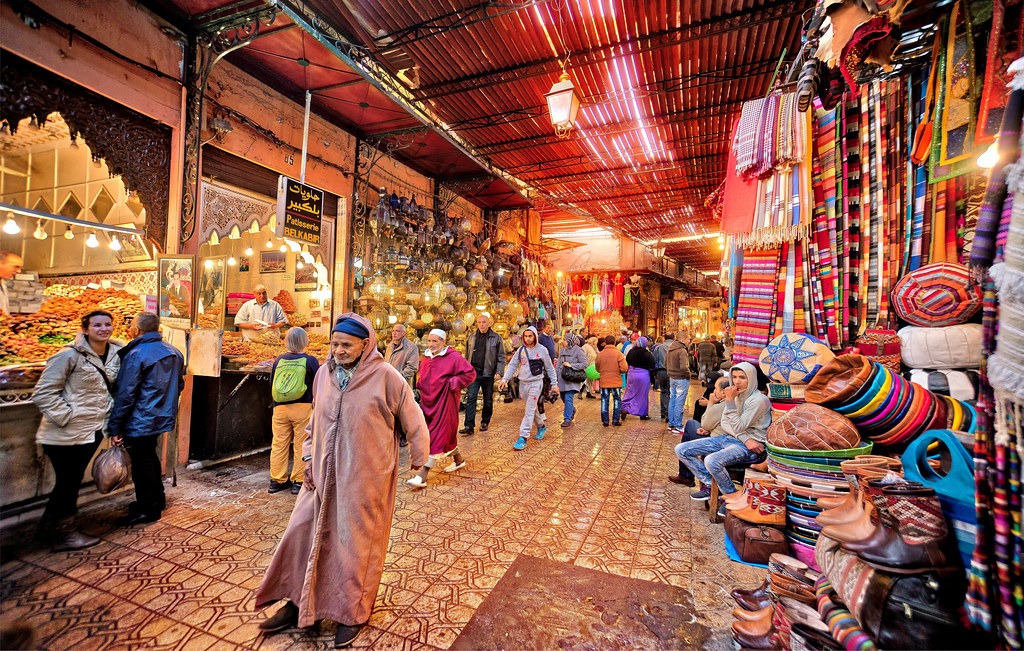
The medina’s sensory assault hits you first — diesel fumes mixing with cardamom, motorbikes threading through narrow alleys while vendors hawk everything from fake designer bags to live chickens. Yet step through the right doorway with the right guide, and chaos transforms into intimate revelation. Women-led food tours in Marrakech offer something rare: authentic access to family kitchens and community spaces that most tourists never glimpse.
Real Kitchens, Real Stories
Female guides unlock private riads and generational recipes unavailable elsewhere.
These tours bypass Jemaa el-Fnaa’s tourist circus for residential neighborhoods where three generations of women guides still gather every Friday for communal couscous. Companies like Marrakech Food Tours, founded by expat Amanda and her Moroccan husband Yousef, train local women guides who navigate medina life with practiced ease.
You’ll watch mothers and daughters hand-roll couscous grains, visit community bakeries where families bring daily dough, and share mint tea while learning about arranged marriages, entrepreneurship, and the quiet revolution happening in Moroccan women’s lives.
The experience centers on carefully curated groups — often up to 18 people, according to tour reviews — creating space for genuine conversation impossible in massive tour buses. Starting at the post office near Jemaa el-Fnaa, these 3-4 hour journeys cost around €50-70 and earn consistent 4.9-star ratings from over 1,000 participants who cite safety, cultural depth, and remarkable fullness as key benefits.
Essential booking details:
- Evening tours offer the best energy and food variety
- Private options accommodate dietary restrictions (including vegan tagines)
- Friday tours feature traditional post-prayer couscous ceremonies
- Tours include 5-10 stops: souks, bakeries, family riads, rooftop restaurants
- Book early for weekend slots and Ramadan periods
Sisterhood Through Shared Plates
Communal eating traditions reveal Morocco’s complex women’s culture.
At Naima’s — a grandmother-mother-daughter operation that’s earned local awards — you’ll eat from shared platters the way Moroccan families have for centuries. The Friday communal couscous arrives heaped with seasonal vegetables, golden raisins, and caramelized onions, meant to be scooped with bread from a communal tray.
According to tour participants, these intimate moments create connections that outlast typical sightseeing. Women share stories about sustaining families through economic uncertainty while serving traditional dishes passed down through generations.
The women’s secondhand markets, communal hammams, and rooftop tea sessions become windows into daily life rarely shared with outsiders. These experiences — laughing over tagine while learning to distinguish between sweet and savory spice blends, or getting henna tattoos while discussing marriage customs — offer genuine cultural exchange.
Beyond the Instagram Moment
Authentic cultural exchange requires commitment from both sides.
The best tours demand engagement beyond photo opportunities. You’ll taste dishes that challenge Western palates — snail soup, lamb brains, intensely spiced tagines — while guides share stories that complicate easy assumptions about women’s roles in traditional societies.
This isn’t poverty tourism or performative empowerment; it’s cultural exchange that benefits local women economically while offering travelers a genuine understanding of contemporary Morocco’s complexities.
Book with operators who employ local women as primary guides, not just translators for male tour leaders. The medina’s maze becomes navigable when you’re following someone who grew up in its alleyways, turning what could be overwhelming into revelatory.