

Colorectal cancer deaths shouldn’t feel inevitable, yet this disease kills nearly 53,000 Americans annually. But a comprehensive analysis of 640,000 people reveals something remarkable: eating just half a cup of cruciferous vegetables daily slashes colon cancer risk by up to 26%.
The research, spanning 17 studies and 97,500 cancer cases, pinpoints the sweet spot at 40-60 grams daily—roughly what fits in your cupped palm. Beyond that amount, additional servings don’t provide extra protection, suggesting your body hits a biological ceiling for these cancer-fighting compounds.
The Molecular Bodyguards
Glucosinolates in these vegetables transform into cellular protection systems that actively hunt down potential threats.
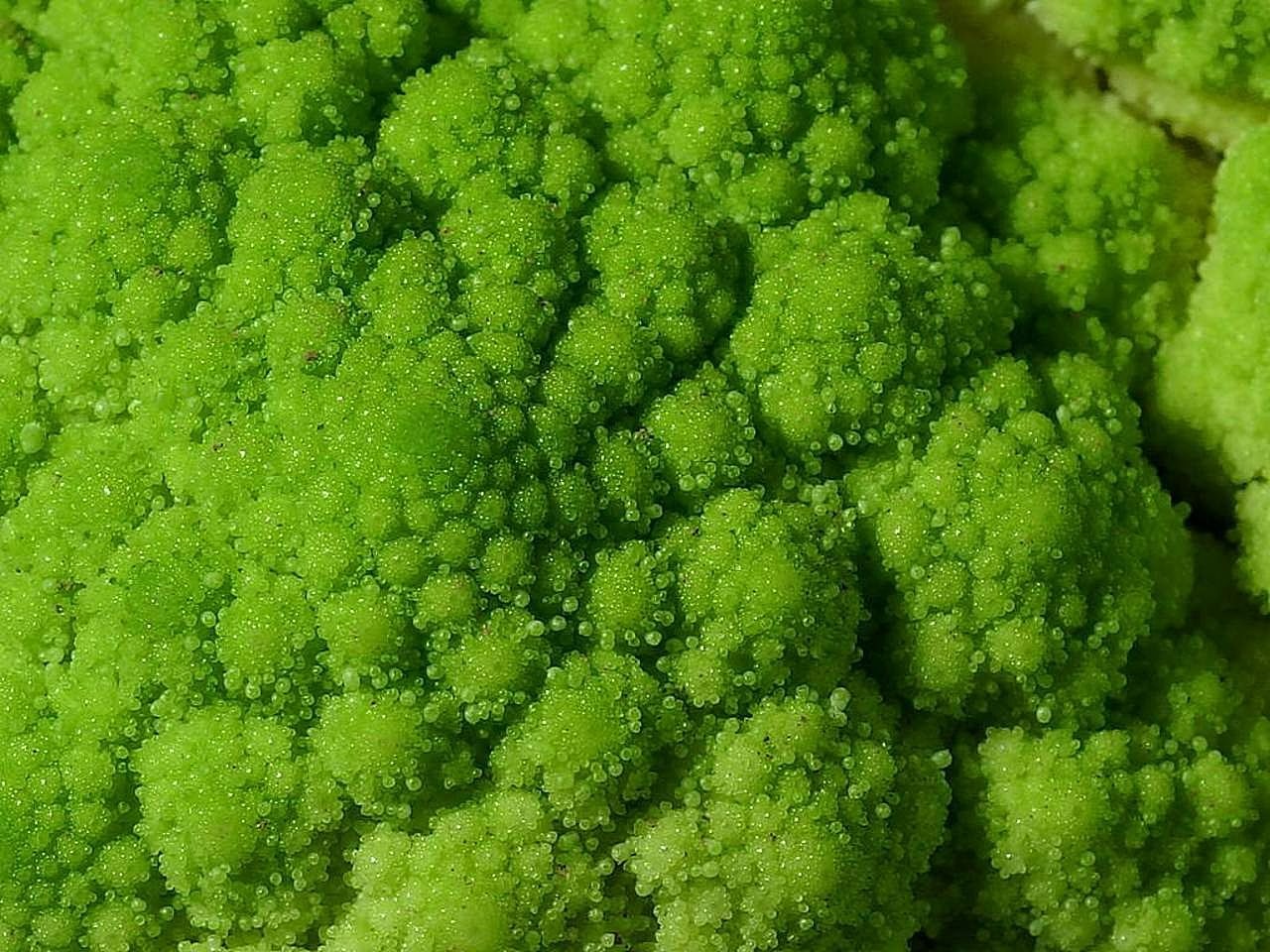
Broccoli, cauliflower, Brussels sprouts, kale, cabbage, and their cruciferous cousins pack glucosinolates—compounds that convert into potent defenders like sulforaphane once you chew them. These molecules don’t just sit passively in your system. They actively protect DNA from damage, neutralize carcinogens before they can cause harm, and trigger the death of abnormal cells that could become tumorous.
The vegetable roster reads like a farmers market shopping list:
- Bok choy
- Arugula
- Collard greens
- Turnips
- Radishes
- Kohlrabi
- Mustard greens
- Chinese cabbage
All qualify and carry the same protective punch, according to UCLA Health research.
Beyond Cancer Prevention
These same compounds deliver cardiovascular benefits and blood sugar control that extend far beyond tumor protection.
The sulforaphane that guards against cancer also regulates blood pressure and cholesterol levels. Your digestive system gets additional support through increased fiber, while the vegetables’ antioxidant properties reduce inflammation throughout your body—a key factor in multiple chronic diseases.
The protective effect appears consistent across different populations and cooking methods, according to the PMC meta-analysis. However, gentle preparation preserves more glucosinolates than aggressive boiling, which can leach these compounds into cooking water.
This isn’t about perfection or massive dietary overhauls. Adding roasted Brussels sprouts to dinner, tossing kale into smoothies, or choosing coleslaw over fries creates the daily habit that research suggests matters most. The evidence points to a simple truth: consistent intake of these humble vegetables may offer one of the most accessible forms of cancer protection available to help you stay healthy longer.