


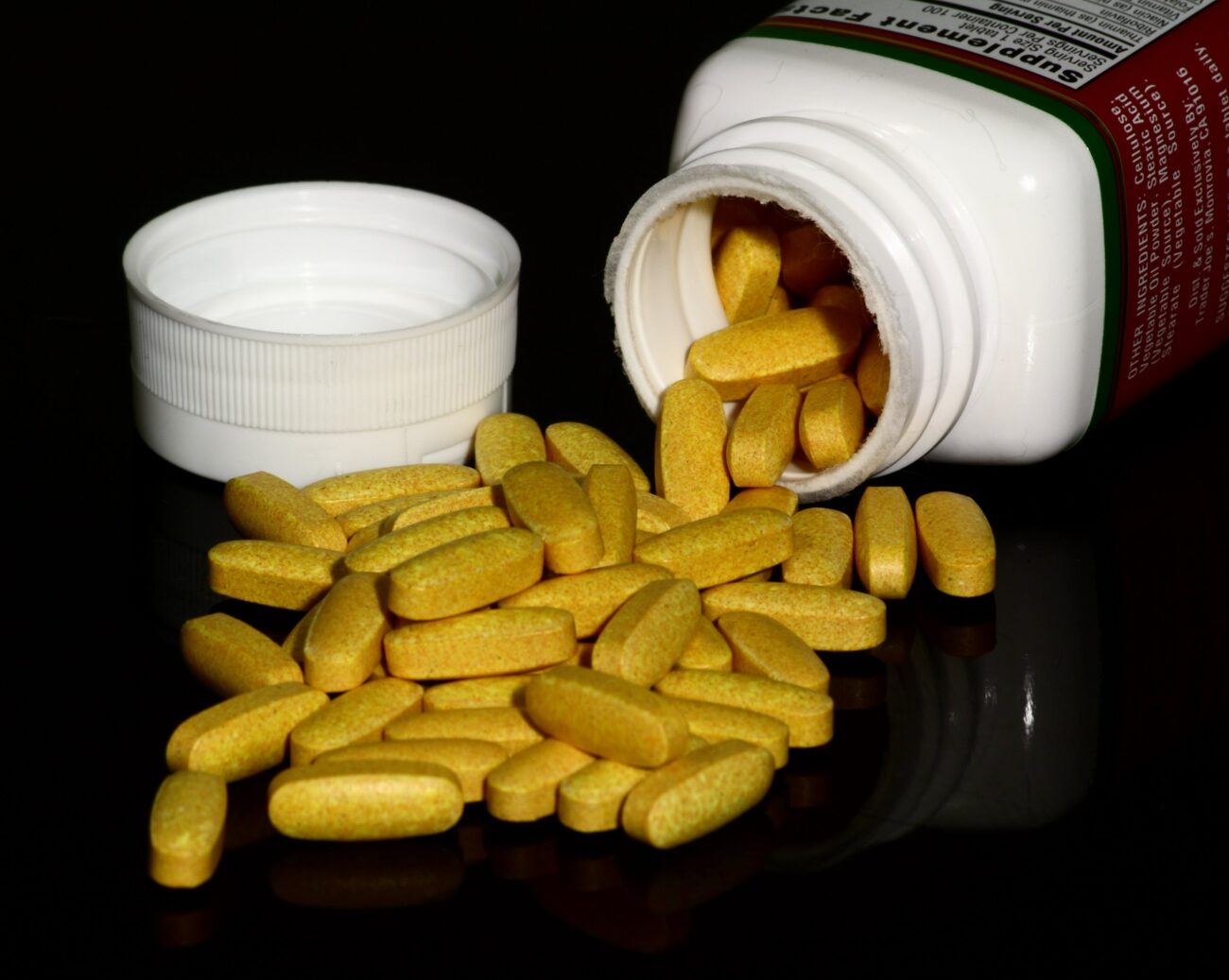
Social media wellness influencers and some functional medicine practitioners have been spreading warnings about synthetic B-vitamins supposedly wreaking “hormonal chaos” in women. These dramatic claims suggest that common supplement forms of B6 and B12 accumulate toxically, burden the liver, and disrupt delicate endocrine systems. But peer-reviewed research tells a different story.
A comprehensive study examining B-vitamin intake among 259 premenopausal women found that “at dietary intakes typical of the US population, B-vitamins other than folate do not appear to greatly influence ovulatory functioning among healthy premenopausal women,” according to research published in the American Journal of Clinical Nutrition. The study specifically examined vitamins B2, B6, and B12 — the exact nutrients being demonized in viral health content.
Real Concerns vs. Overblown Fears
B6 toxicity exists at high doses, but standard supplementation rarely causes problems.
This doesn’t mean B-vitamins are risk-free for everyone. Vitamin B6 toxicity is real and can cause nerve damage. However, it typically occurs at doses substantially higher than the 50-100 mg therapeutic range commonly recommended for hormonal support.
The vitamin actually supports progesterone production and helps convert tryptophan into serotonin, potentially alleviating PMS symptoms. Recent research did identify one intriguing gender-specific pattern: higher vitamin B12 levels were associated with lower testosterone in females, according to NHANES data analysis. Yet this observational finding requires more mechanistic study before being characterized as toxicity or hormonal disruption.
The Synthetic vs. Bioactive Debate
Form differences matter for some people, but universal toxicity claims go too far.
The distinction between synthetic forms (pyridoxine hydrochloride, cyanocobalamin) and bioactive versions (P-5-P, methylcobalamin) has a legitimate biochemical basis. Your body must convert synthetic forms before they become biologically active. For individuals with genetic variations affecting methylation pathways, bioactive forms may offer advantages.
But the claim that synthetic B-vitamins universally “burden the liver” and impair estrogen metabolism contradicts established science. B-vitamins actually support the methylation pathways that help clear estrogen from the body. Research even shows inverse associations between B-vitamin intake and ovulatory infertility — the opposite of hormonal disruption.
The takeaway? Question supplement quality and dosage, but don’t fall for fear-based marketing disguised as medical warnings.