


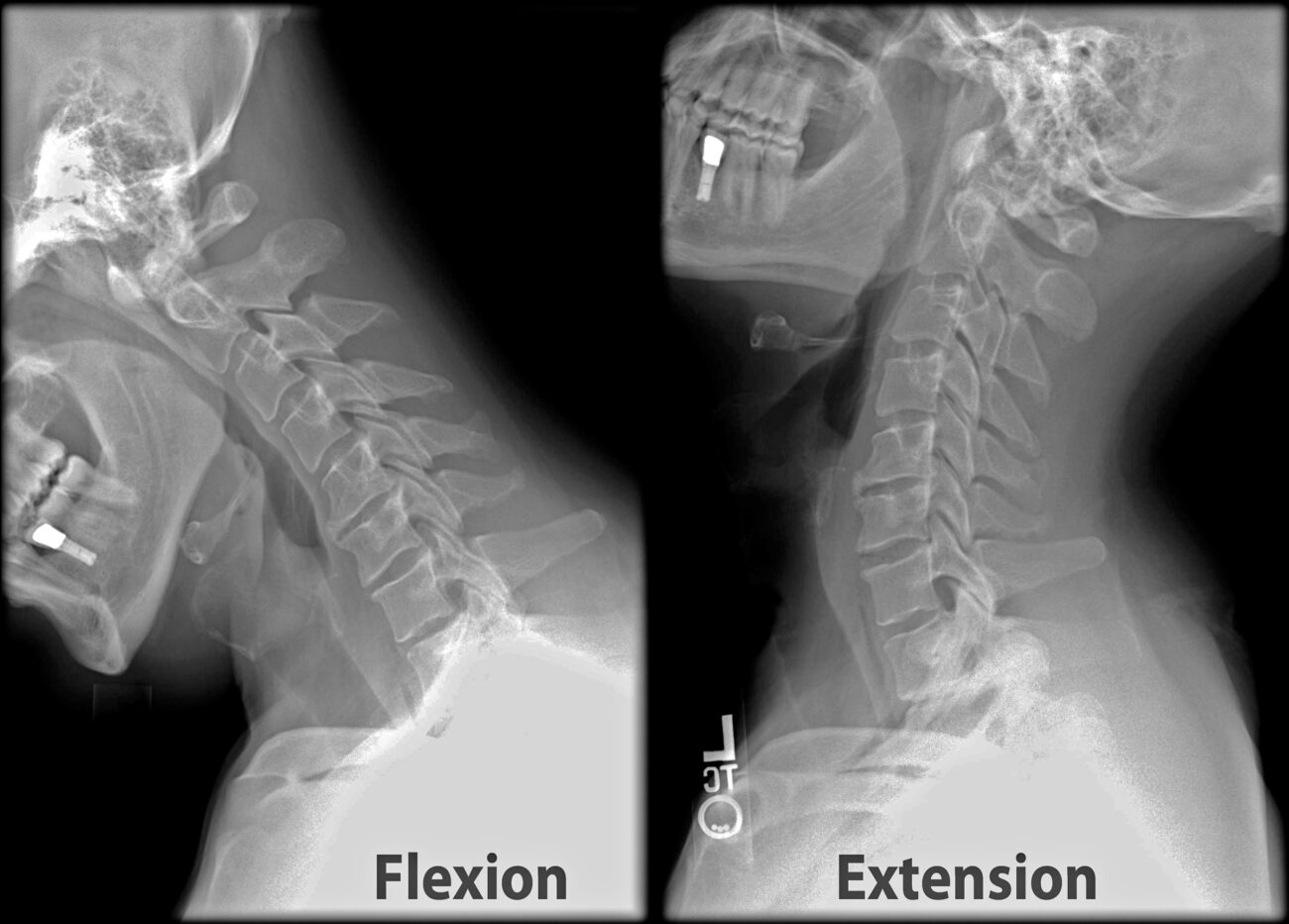
Chiropractors nationwide are sounding an urgent alarm about a common wellness practice causing widespread nerve damage among their patients. The full neck roll stretch, performed instinctively to relieve neck tension, may pinch the vagus nerve during its circular motion. What feels like relief could become a pathway to systemic health chaos.
According to wellness practitioners, this seemingly harmless movement creates dangerous pressure on your body’s most critical neural pathway. The growing concern among chiropractors and neuromuscular therapists suggests this popular stretch should be reconsidered entirely.
The Hidden Nerve Highway Under Attack
Dynamic compression during neck rolls creates dangerous pressure on your body’s most critical neural pathway.
The vagus nerve snakes from your brainstem through your neck into your abdomen, controlling heart rate, digestion, breathing, and mood regulation. When you roll your head in that familiar circle, the movement may create what some professionals call “dynamic compression”—essentially pinching this vital nerve highway.
According to chiropractic sources, this compression could trigger a cascade of seemingly unrelated symptoms that patients rarely connect to their stretching routine. The nerve’s vulnerability in the neck makes it particularly susceptible to compression during dynamic movements like full neck rolls.
The circular motion strains ligaments holding cervical vertebrae together, potentially leading to long-term instability and increased injury risk. This double threat—immediate nerve compression plus structural damage—makes the full neck roll particularly concerning to practitioners.
When Your Body Sounds the Alarm
Vagus nerve irritation may manifest through a surprising range of physical and mental symptoms.
The warning signs of potential vagus nerve compression read like a medical mystery novel:
- Unexplained anxiety attacks that appear without triggers
- Heart palpitations during normal daily activities
- Digestive issues that resist dietary changes
- Brain fog that clouds your sharpest thinking
- Persistent “lump in throat” sensation
- Dizziness that strikes during routine movements
Each symptom seems isolated, but they may share a common thread according to wellness practitioners. Vagus nerve dysfunction, potentially triggered by those well-intentioned neck rolls, could connect these disparate health issues.
The nerve’s role in regulating various bodily functions makes it a critical component of overall health. Its protection becomes essential for maintaining well-being, particularly as poor posture and spinal degeneration from aging increase vulnerability.
The Safer Alternative Your Neck Craves
Professional-recommended exercises target tension relief without neural compression risks.
While traditional neck rolls target muscle tension through potentially risky rotation, the chin tuck exercise offers a safer alternative. This movement strengthens your deep neck flexors without compressing neural pathways, improving alignment through controlled motion rather than circular stretching.
The chin tuck involves gently pulling your chin back toward your neck, creating length in the cervical spine without dynamic compression. This exercise addresses the root cause of neck tension—poor alignment—while protecting the vulnerable vagus nerve from potential irritation.
Professional evaluation becomes essential when neck pain persists beyond basic discomfort. Persistent symptoms may indicate underlying issues requiring targeted, safe rehabilitation rather than instinctive stretching routines.
Your nervous system deserves better than guesswork disguised as wellness—especially when safer, more effective options exist for maintaining neck health and preventing potential long-term complications.