

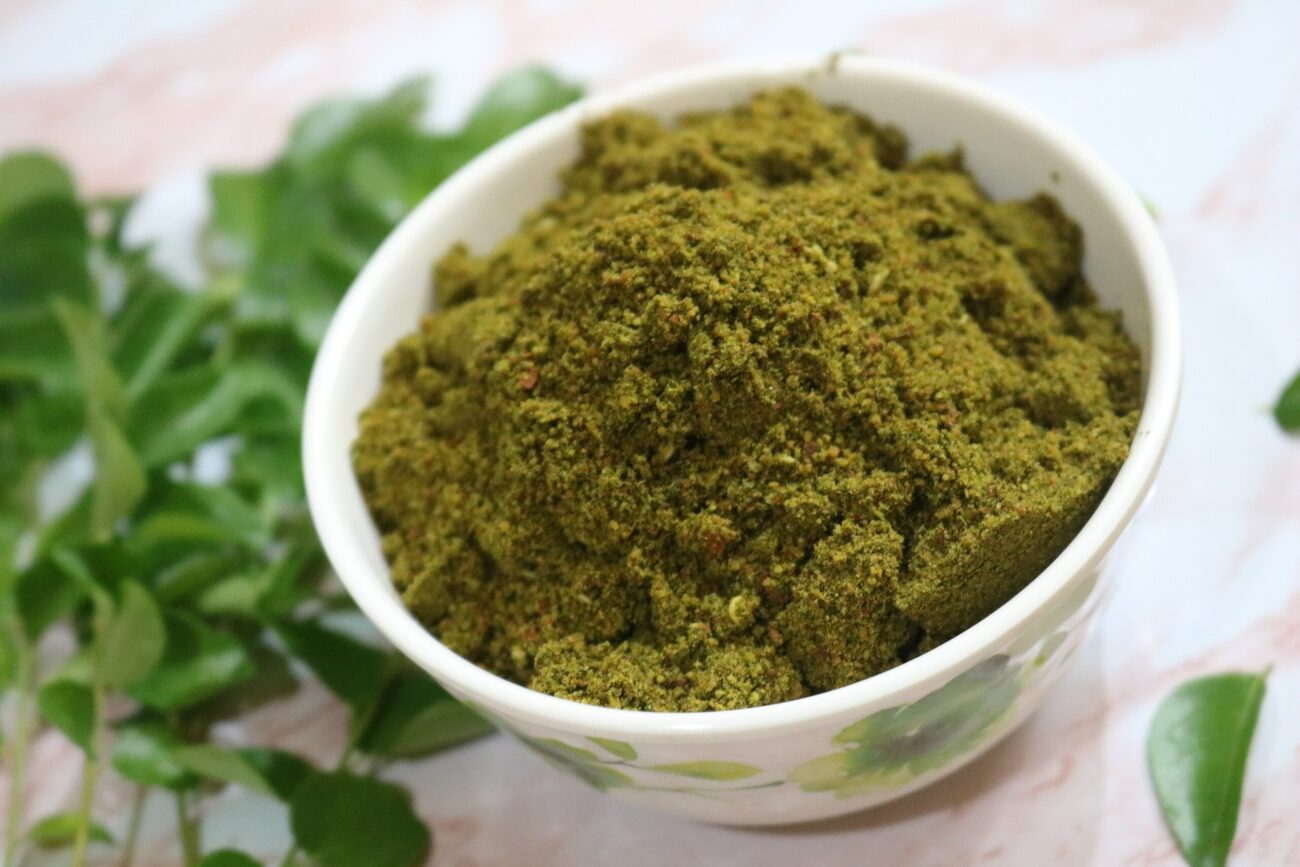
While social media celebrates the latest superfood trends, traditional cultures across Africa, Asia, and the Americas have relied on nutritional powerhouses that make your trendy smoothie bowl look amateur. Moringa leaves, baobab powder, and amaranth seeds deliver nutrients that surpass mainstream favorites alongside super veggies—and science is finally catching up to ancestral wisdom.
Why Ancient Cultures Got It Right
Traditional superfoods offer superior nutrition backed by generations of use and modern research.
Moringa leaves pack significantly more iron than spinach, making them crucial for women battling anemia and fatigue. The bioavailable iron combines with the vitamin C content to create what nutritionists call a “double boost” for energy production. According to research cited by Luke Coutinho, moringa’s complete amino acid profile supports hormonal balance during pregnancy, lactation, and menopause—benefits that go far beyond basic nutrition.
Baobab powder delivers commonly reported estimates of six times more vitamin C than oranges while providing antioxidants that combat inflammation and stress. For women juggling demanding schedules, this translates to enhanced immune function and improved skin quality without synthetic supplements.
Beyond Instagram: Real Nutritional Value
These ancient grains and powders provide measurable benefits that trendy superfoods can’t match.
Amaranth seeds contain all nine essential amino acids, achieving complete protein status alongside quinoa. At 18% protein content, amaranth surpasses rice and corn while remaining gluten-free. Clinical studies published in the National Center for Biotechnology Information confirm amaranth’s anti-inflammatory peptides, particularly lunasin, which shows potential for preventing chronic diseases.
Key nutritional comparisons reveal the difference:
- Moringa leaves: Higher iron content than spinach, plus calcium and magnesium for bone health
- Baobab powder: Widely reported as having 600% more vitamin C than oranges, with superior antioxidant levels
- Amaranth seeds: Complete protein profile with inflammation-fighting compounds
“Moringa is a time-tested galactagogue, shown in studies to improve the quality and quantity of breast milk in lactating mothers,” according to Prevention magazine’s analysis of recent research.
Starting small makes integration simple. Add one teaspoon of moringa or baobab powder to smoothies, teas, or yogurt. Cook amaranth seeds as breakfast porridge or pop them for crunchy salad toppings.
These nutrient-dense additions transform ordinary meals into hormone-balancing, energy-boosting powerhouses that honor ancestral wisdom while meeting modern nutritional needs.