

A father brings his young son to Fish Haul Beach on Hilton Head Island. Tidal marsh stretches behind them. Port Royal Sound moves quietly in front. It looks like an ordinary Saturday. It is not.
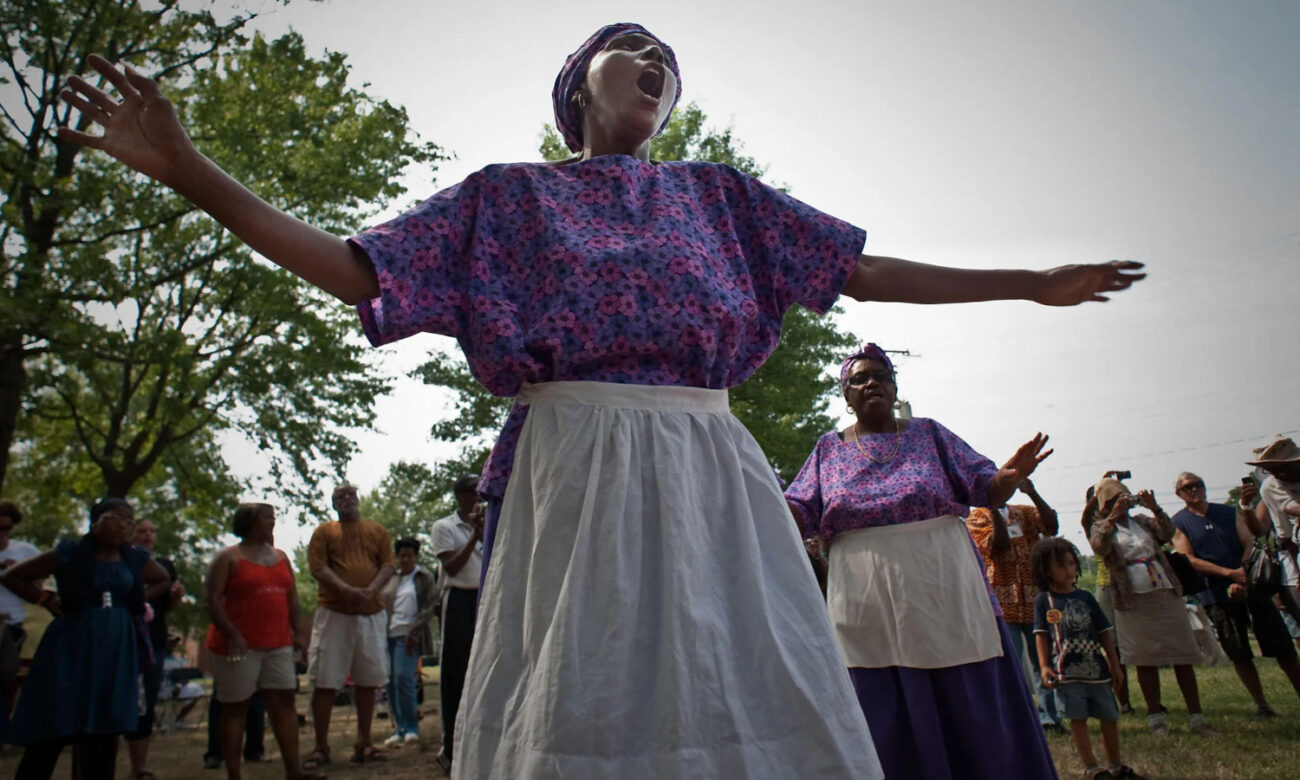
This coastline — running from North Carolina through South Carolina and Georgia into northeastern Florida — is the Gullah Geechee Cultural Heritage Corridor, federally designated by Congress on 12 October 2006. Its 20th anniversary arrives this month. African cultural knowledge was not supposed to endure here. Geographic isolation on coastal plantations preserved what might otherwise have been lost: language, food, music and memory, carried forward by the people whose labor shaped this land.
Gullah is the only African-based creole language developed in the United States, according to the National Park Service. Two words carry considerable weight:
- “oona,” meaning “you all”
- “nyam,” meaning “eat”
Both are rooted in African linguistic tradition. The cuisine endured by similar means. Red rice, purloo, Hoppin’ John — one-pot dishes that tell the structural logic of West African rice cooking, adapted to Lowcountry shrimp, okra and smoked pork. The resemblance to dishes like jollof rice is striking. Food scholars, however, urge caution about asserting a single proven line of culinary descent, and any honest account of this food should follow their lead.
The name “Gullah Geechee” itself remains contested. “Gullah” has been linked by scholars to Angola or the Gola people; “Geechee” to the Kissi people or Georgia’s Ogeechee River. No etymology has settled the question.
A Freedom Town the Textbooks Forgot
Mitchelville wasn’t granted to formerly enslaved people — they built it themselves, behind Union lines, while the war was still being fought.
When Union forces captured Port Royal Sound in 1861, freedom seekers gathered on the land of the former Fish Haul Plantation. By 1862, Mitchelville existed: a self-governed community built and run by people who had freed themselves. Fort Howell, constructed by Black soldiers in 1864, helped defend it. The settlement declined after Union forces withdrew, and the Great Sea Island Hurricane of 1893 compounded what political abandonment had already begun.
What those pressures left standing now faces new threats. Ancestral land passed through generations without unified legal title — known as heirs’ property — can leave families legally exposed to partition actions and forced sales. Coastal erosion meanwhile threatens cemeteries and historic landscapes across the Corridor. Visitors who spend intentionally — with Gullah Geechee-owned restaurants, guides and craft sellers — support the community keeping that story alive. Tourism that ignores those distinctions risks accelerating the very displacement it claims to celebrate.
The boy at Fish Haul Beach doesn’t need a monument. He needs the food, the words, the water, the story. That is precisely what Gullah Geechee communities have sustained across this coastline for generations. The culture is still standing. Travelers would do well to arrive with that knowledge in hand.