

A second-line route is never quite the same twice. Each Social Aid and Pleasure Club sets its own path for its own Sunday, stopping at member homes, bars, and rival clubs along the way, so the corridors below are landmarks the parades return to again and again rather than a single fixed annual route. These four points anchor a huge share of the Seventh Ward’s parading culture.
A.P. Tureaud Avenue
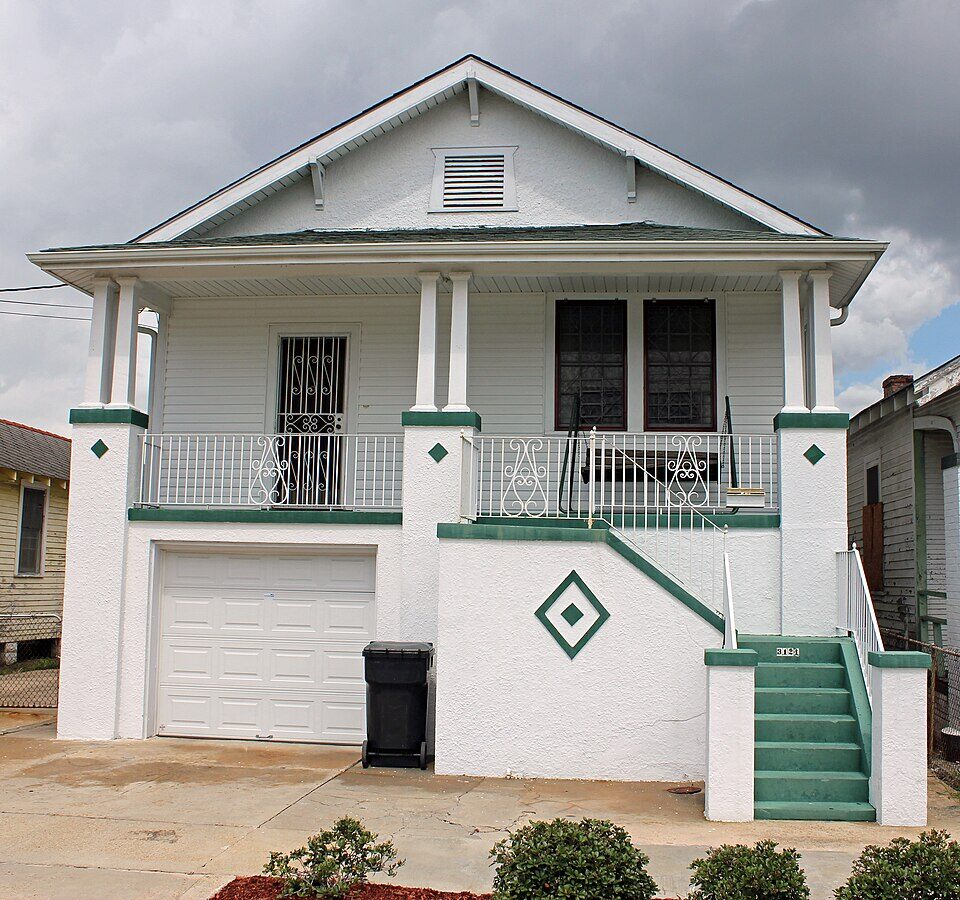
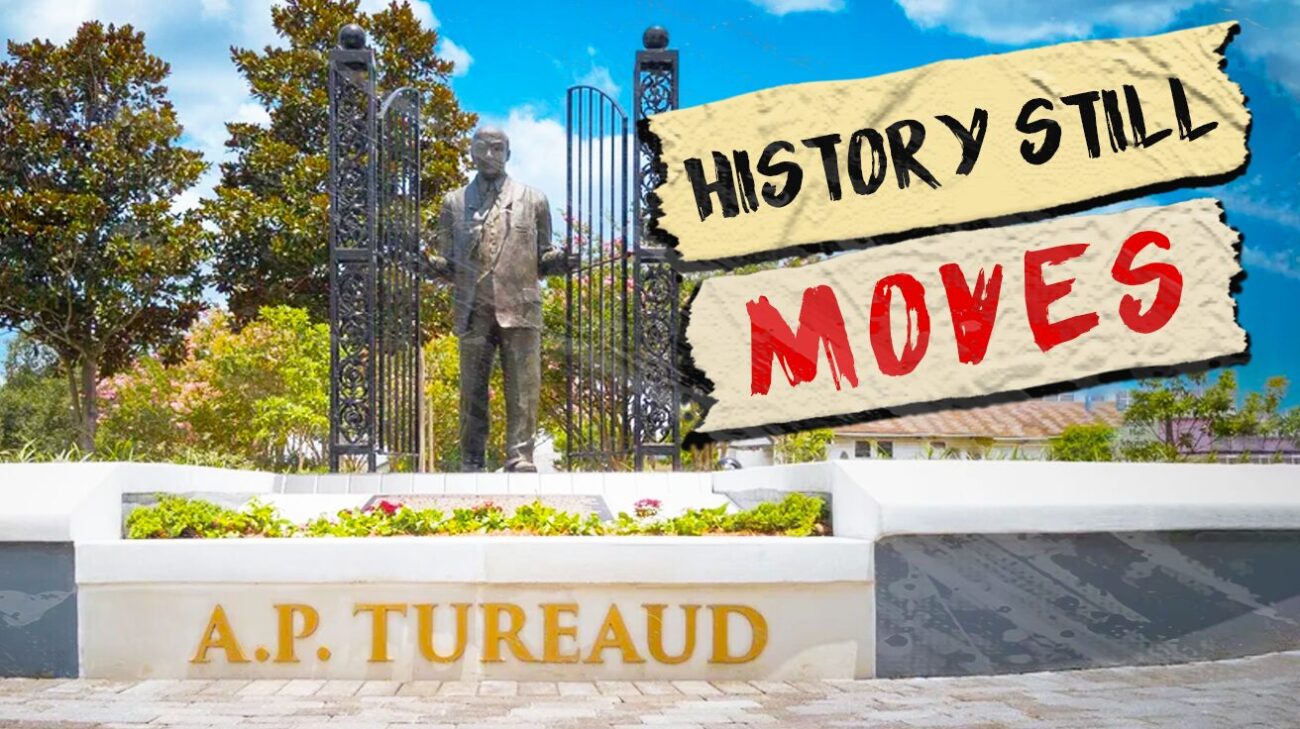
A.P. Tureaud Avenue runs through the heart of the Seventh Ward and carries the name of Alexander Pierre Tureaud, the NAACP lawyer who argued the cases that desegregated LSU and fought for equal pay for the city’s Black teachers. The Tureaud Civil Rights Memorial Park sits along the avenue with a statue and benches, a quiet civic monument that sits in stark contrast to the noise and motion that fills the same streets every time a second line passes through.
The neighborhood that grew up around this corridor has produced an outsized share of the city’s musical history. Jelly Roll Morton, Sidney Bechet, Allen Toussaint, and more recent names like Frank Ocean and Mannie Fresh all have roots within blocks of this avenue, and the parades that move through here on a given Sunday are walking through the same streets that shaped that lineage.
A.P. Tureaud Avenue runs through the Seventh Ward between North Claiborne Avenue and St. Bernard Avenue, with the Tureaud Memorial Park accessible from the avenue at any time.
Hunter’s Field Pavilion

Hunter’s Field at 1601 N. Claiborne Avenue exists because civil rights leader Jerome Smith decided it should. After the I-10 overpass paved over the neutral ground where neighborhood children used to play, Smith and a group of supporters occupied a patch of grass underneath the new highway and forced the city to formalize it as public space. The field, named for the Yellow Pocahontas Mardi Gras Indian tribe, became home to the Tambourine and Fan youth program, which trained generations of musicians who went on to found bands like New Birth Brass Band and supply members to Rebirth Brass Band.
The field still functions as a fixture of second-line routes and a regular stop for Mardi Gras Indian tribes on Mardi Gras Day and St. Joseph’s Night. An annual Hurricane Katrina commemoration rally, organized by figures including rapper Mia X, also convenes here, giving the space a role that extends well past parade season into the broader civic life of the neighborhood.
Hunter’s Field is at 1601 N. Claiborne Avenue, accessible as public park space at any time, with parade and gathering activity concentrated around Sunday second lines and the spring Mardi Gras Indian calendar.
St. Bernard Avenue Corridor
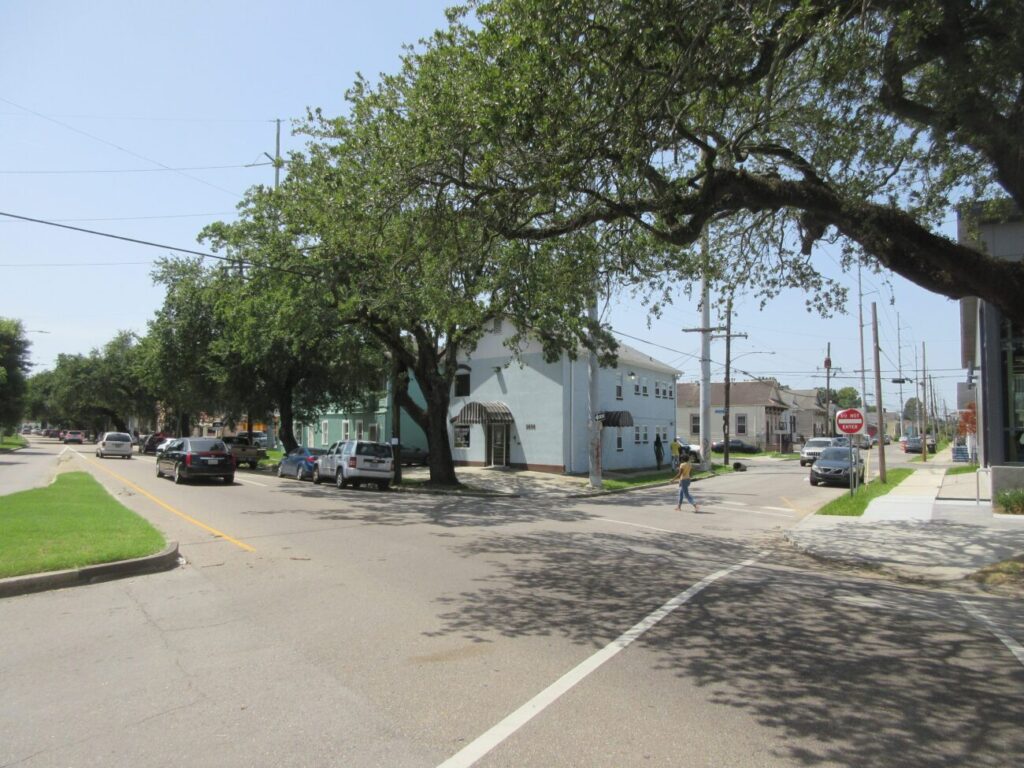
St. Bernard Avenue functions as a connective spine for second line routes across the Seventh Ward, linking multiple club stops in a single afternoon. A documented Ole & Nu Style Fellas route, for example, ran up St. Bernard Avenue past the Autocrat Club at 1725 St. Bernard, a Creole social club celebrating over a century of continuous operation, before continuing toward stops further down the avenue.
The Autocrat Club itself anchors much of this stretch’s cultural identity, sponsoring an annual Easter basket giveaway and a crawfish boil that draws the surrounding blocks together outside of parade season as well. Brass bands moving along St. Bernard Avenue on a Sunday afternoon are passing through one of the longest-running corridors of Creole social club history in the city.
St. Bernard Avenue runs through the Seventh Ward, connecting North Claiborne Avenue to North Rampart Street, with specific parade dates and routes published weekly by individual Social Aid and Pleasure Clubs.
Seal’s Class Act Lounge
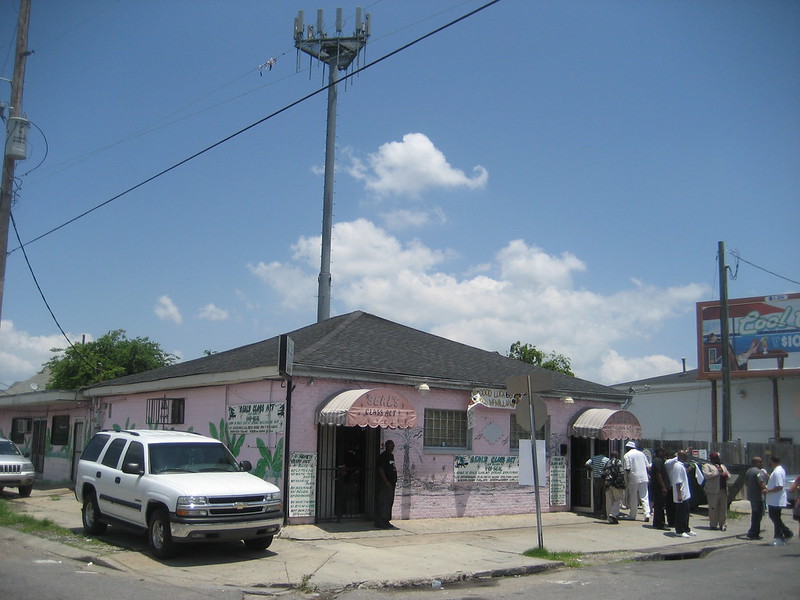
Seal’s Class Act sits at 2169 Aubry Street and functions as a working stop on documented second-line routes, including a recorded Dumaine Street Gang Social and Pleasure Club stop logged as a planned pause point on a recent parade route. The bar operates as a Seventh Ward dive with live music, dancing, and food, the kind of low-key neighborhood anchor that becomes a landmark purely through consistent use rather than any deliberate branding effort.
Stops like this one are what give second-line parades their rhythm. The brass band doesn’t simply march from point A to point B. It pauses at bars, member homes, and rival club locations along the way, turning the route into a moving social occasion rather than a straight procession, and Seal’s has earned its spot on that list of pauses through years of hosting them.
Seal’s Class Act is at 2169 Aubry Street in the Seventh Ward. Specific parade stop times depend on the individual club’s published route for that Sunday.