

The rigid two-week itinerary is quietly giving way to a weekend built around one great meal or a cooking class. That shift is no longer a niche preference. Hilton’s 2027 Trends Report — based on 14,744 travelers surveyed across 14 countries, including the UK, rural Germany, Türkiye, the US, and Australia — documents a broad move away from the “perfect holiday” and toward travel that fits actual human life. As Hilton President and CEO Chris Nassetta said in the report, travelers are “less interested in someone else’s definition of perfection and more focused on travel that fits their lives, helps them recharge and creates lasting meaning.”
The Short Break Gets Smarter
Micro-travel is emerging as a deliberate, experience-led choice that is reshaping how trips get planned and built.
One in four respondents told Hilton that shorter trips work better around their schedules. Another 29% said shorter trips make spontaneous travel genuinely easier. Two traveler types are emerging from the data:
- Selectors, who anchor an entire trip around one central experience — a restaurant reservation, a sold-out concert, or a cooking class in a city a couple of hours away
- Stackers, with 57% saying they enjoy visiting multiple cities during a single compact journey
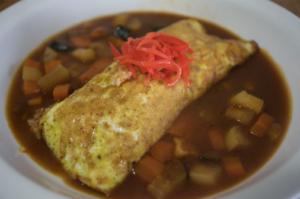
For food travelers, the Selector model carries real weight. A reservation or hands-on cooking class shifts from being an amenity to being the entire reason for going.
Key findings from the report:
- 28% of travelers figure out plans as they go; only 18% prefer a fixed itinerary
- 3 in 10 solo travelers meet someone they know after arriving; 20% join group excursions with people they have never met
- 34% want travel to give them a new mindset, not just new photographs
- 79% say fresh air and the outdoors are essential to relaxation; more than half spend more time in nature while traveling than they do at home
- 87% trust family for travel recommendations; 70% trust hotel staff; 50% say they are more likely to trust advice from someone with loyalty status
Skillcations, Loose Plans, and Actual Fresh Air
Flexibility and structured discovery are reshaping the traveler’s agenda — and nature has become central to how people actually unwind.
The Rise of ‘Ish’ points to something travelers are already doing: treating solo travel as a starting point rather than an isolating commitment, and building itineraries that leave room to improvise. Thirty-four percent of respondents say they want to return home with a new mindset. Cooking classes are explicitly cited by Hilton as examples of “skillcations” — formats that combine destination food culture with structured learning inside a short window, making them a natural fit for a Growth Getaway. That said, Hilton does not quantify cooking-focused travel separately, and the culinary application is an editorial extension of the broader trend.
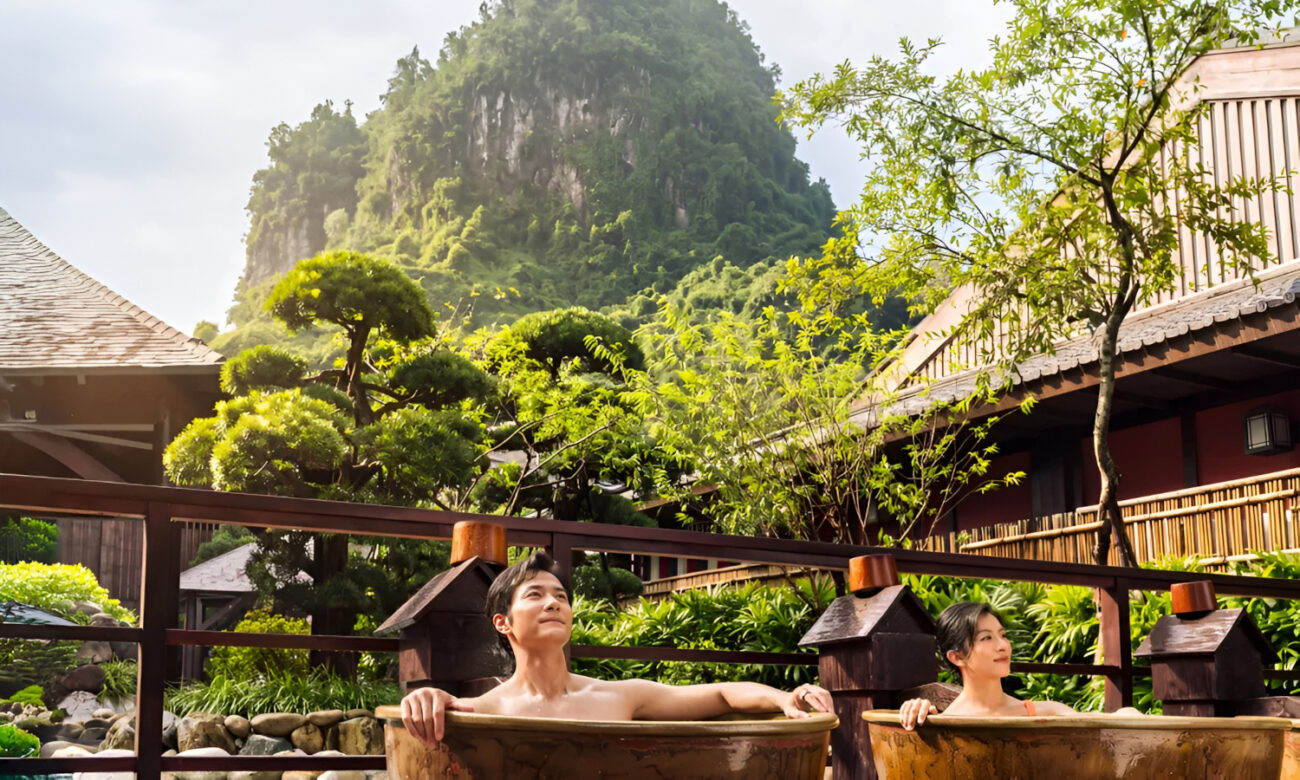
Wellness has also moved decisively outdoors. Seventy-nine percent of respondents say fresh air and the outdoors are essential to relaxation — not a nice addition, but a baseline expectation. More than half report spending more time immersed in nature while traveling than they do at home.
Who Do You Actually Trust for a Restaurant Tip?
Despite increasingly capable planning tools, human recommendations remain the dominant force in how travelers decide where to go and what to do.
Eighty-seven percent of respondents trust family members for travel advice. Seventy percent trust hotel staff. Half say they are more likely to act on a recommendation from someone with loyalty status. Hilton frames these findings around travel advice broadly rather than restaurant discovery specifically, but the pattern suggests — as an inference from the data — that the hotel concierge and loyalty communities may still be meaningful gateways to local dining, even as AI tools handle more of the itinerary-building work.
The traveler Hilton describes for 2027 is not rejecting planning. They are just deciding what deserves to be planned. One great experience, booked with intention, with the rest left open — that appears to be the new benchmark for a trip well taken.