


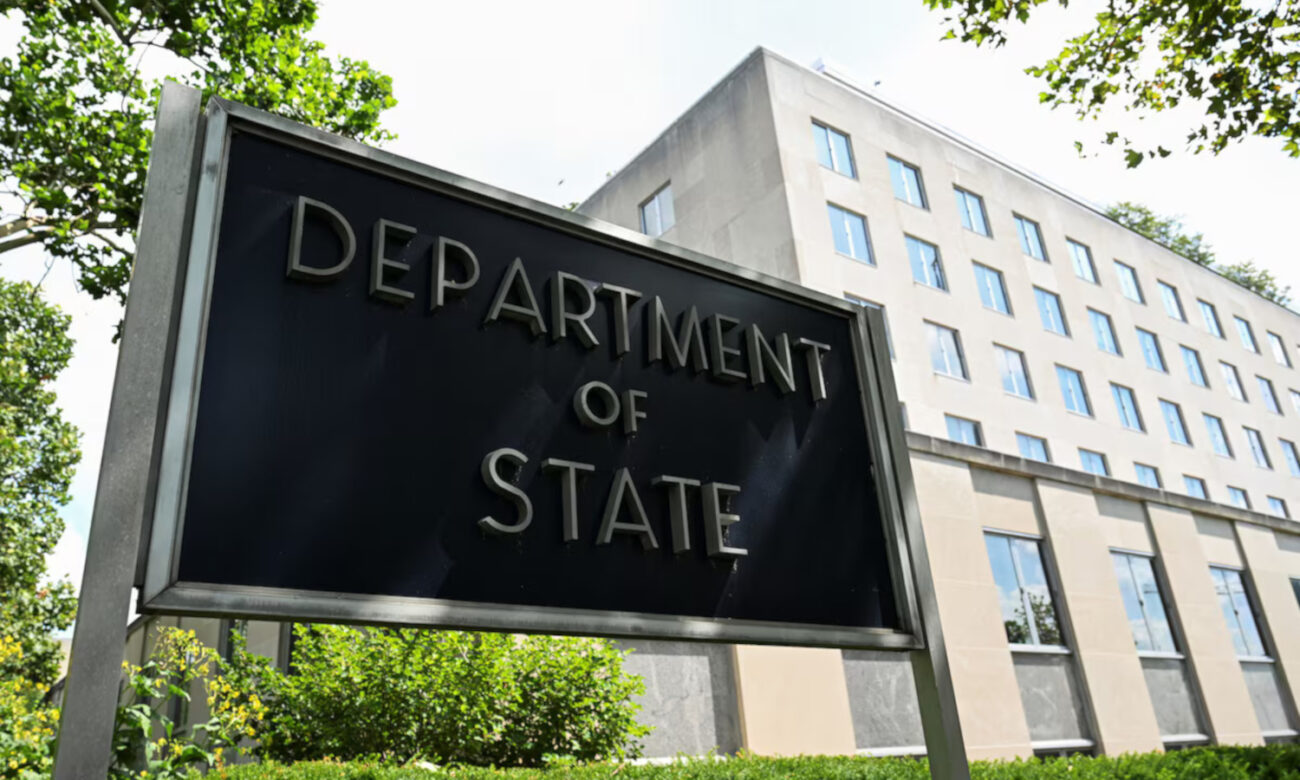
The U.S. State Department is telling Americans to prepare a will before visiting Kenya. That’s not a metaphor. It’s literal guidance embedded in official advisory material that also instructs travelers to establish a proof-of-life protocol with loved ones — a contingency designed to help families verify a hostage is alive and distinguish a real kidnapping from a scam.
If that language stopped you mid-scroll, good. Now here’s the context you need before you either cancel the booking or ignore the warning entirely.
What the Warning Actually Covers
Violent crime, terrorism, and a healthcare system that requires payment before it treats you.
Kenya’s appeal — the Maasai Mara, the Swahili coast, Nairobi’s rooftop bars — hasn’t changed. What has sharpened is Washington’s assessment of the overlapping risks that come with it. The current countrywide designation is Level 2: Exercise Increased Caution. The advisory cites:
- Violent crime: armed carjacking, mugging, home invasion, and kidnapping can occur at any time
- Terrorism and kidnapping: risk concentrated near Kenya-Somalia and Kenya-Ethiopia border counties
- Civil unrest: protests can turn violent; roads can be blocked without warning
- Medical access: facilities outside major cities often lack basic medicines; hospitals typically require upfront payment before treatment
- Street crime: motorcycle theft is common; avoid crowded areas and travel after dark
Local police, the advisory notes, may lack the capacity to respond effectively to serious crimes or terrorist attacks — a significant gap if something goes wrong far from Nairobi.
Where the Real Red Lines Are
Geography matters here, and the highest-risk zones sit well outside most standard tourist itineraries.
Not all of Kenya carries identical risk. The advisory designates Mandera, Wajir, and Garissa counties along the Kenya-Somalia border — plus parts of Marsabit and Turkana near Ethiopia — as Level 4: Do Not Travel zones because of terrorism and kidnapping. Several coastal areas, including Lamu County, Tana River County, and Kilifi north of Malindi, also carry Level 4 designations. Within Nairobi, Eastleigh and Kibera neighborhoods are classified Level 3: Reconsider Travel because of crime and kidnapping risks.
Major safari destinations and most visitor hubs sit outside these specific restricted zones, which may help explain why roughly 2.7 million international visitors arrived in 2025, up from approximately 2.47 million the year prior.
Smart preparation means enrolling in the State Department’s Smart Traveler Enrollment Program, carrying a passport copy, securing medical evacuation insurance, and giving someone at home a plan they can actually execute. Kenya still draws millions of travelers each year. Go in informed, insured, and with a clear plan — that’s not paranoia, that’s how airport security-savvy travelers operate.