

The big museums cover wars and art movements. These four narrow the lens to one corner of ordinary life and go deep.
1. New Orleans Pharmacy Museum, French Quarter
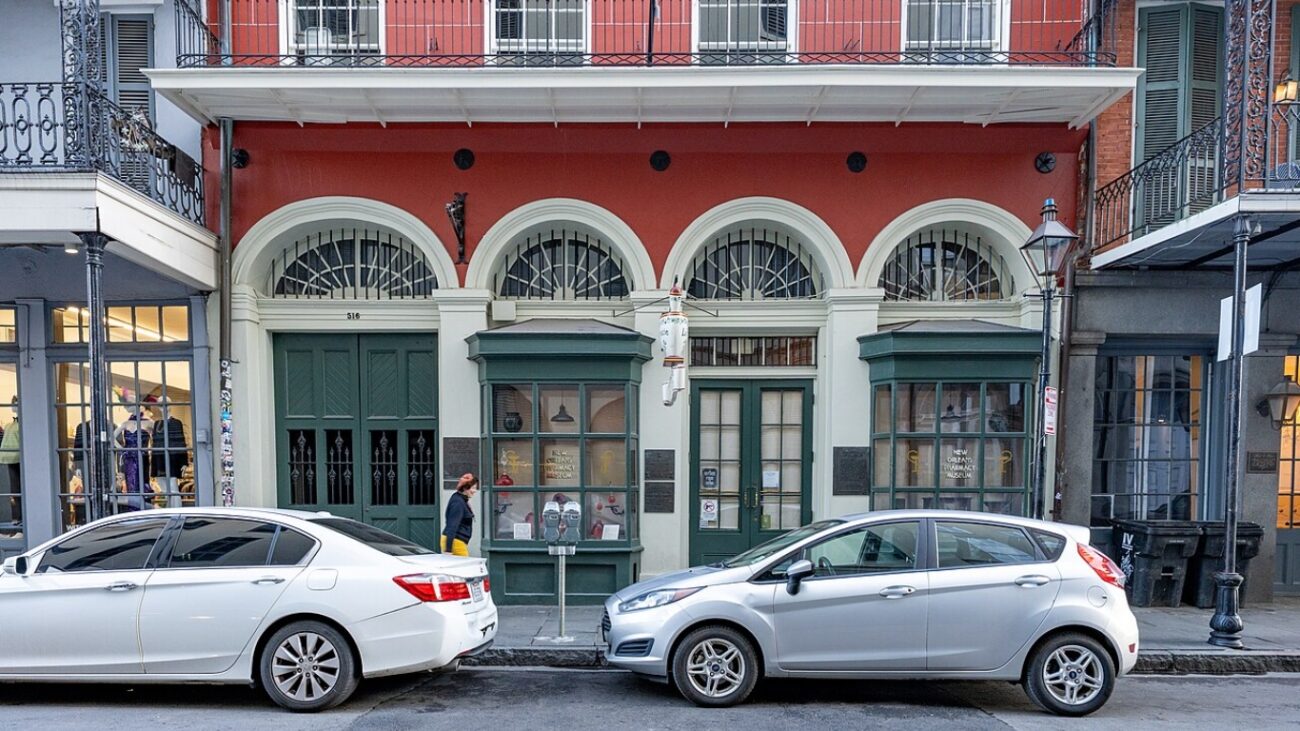
Louis J. Dufilho Jr. passed Louisiana’s pharmacy licensing exam in 1816, becoming the first licensed pharmacist in the United States, and his 1823 apothecary at 514 Chartres Street now holds the museum. He lived upstairs with his wife and seven children while running the shop below, which also held a hardware store, a soda fountain, and a post office.
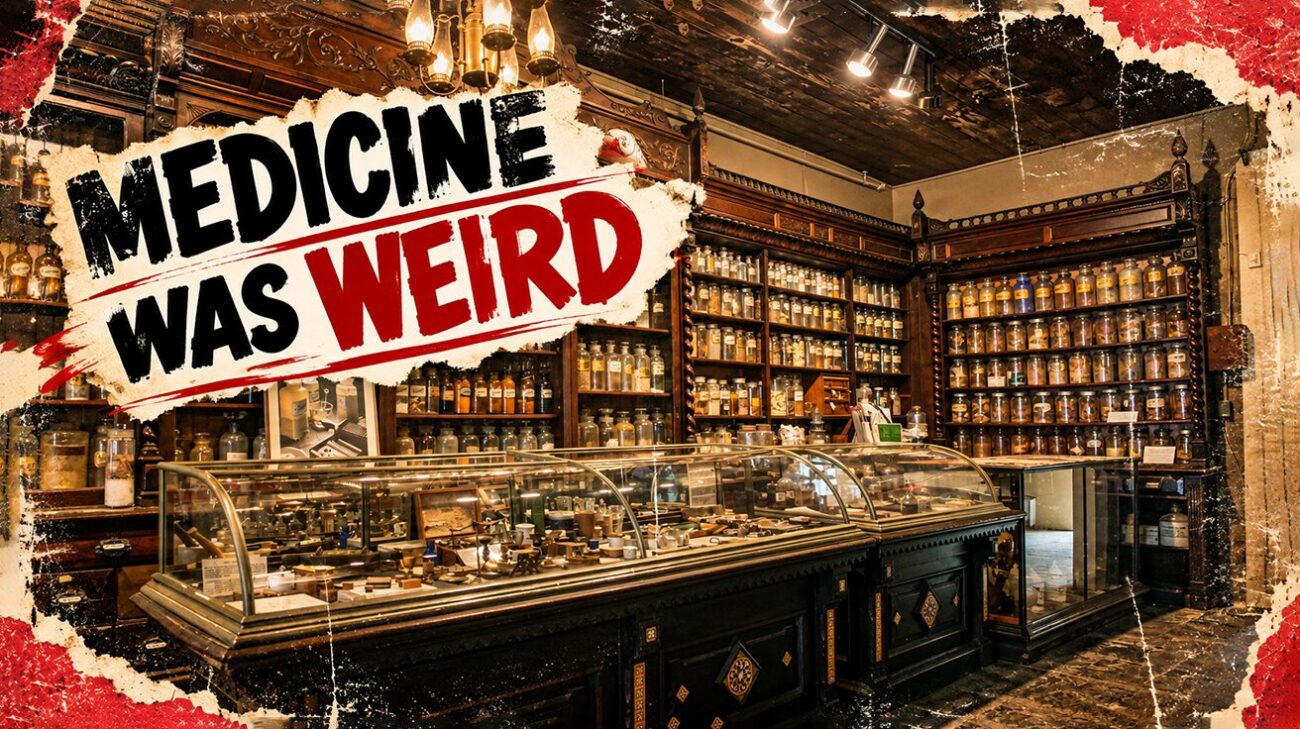
The collection shows how strange early medicine could be. Hand-blown jars hold crude drugs, medicinal herbs, and gris-gris powders tied to Voodoo practice. A jar marked leeches recalls routine bloodletting, and opium remedies, patent medicines, a bone saw, and early hypodermics fill the cases. An 1855 soda fountain helped patients wash down bitter doses.
Self-guided visits run Tuesday through Saturday from 11 a.m. to 4 p.m. and cost $10 for adults, $7 reduced. Guided tours cost $20 and $17 and must be booked online, with a schedule that shifts seasonally. Call (504) 490-6263.
2. Southern Food and Beverage Museum, Central City
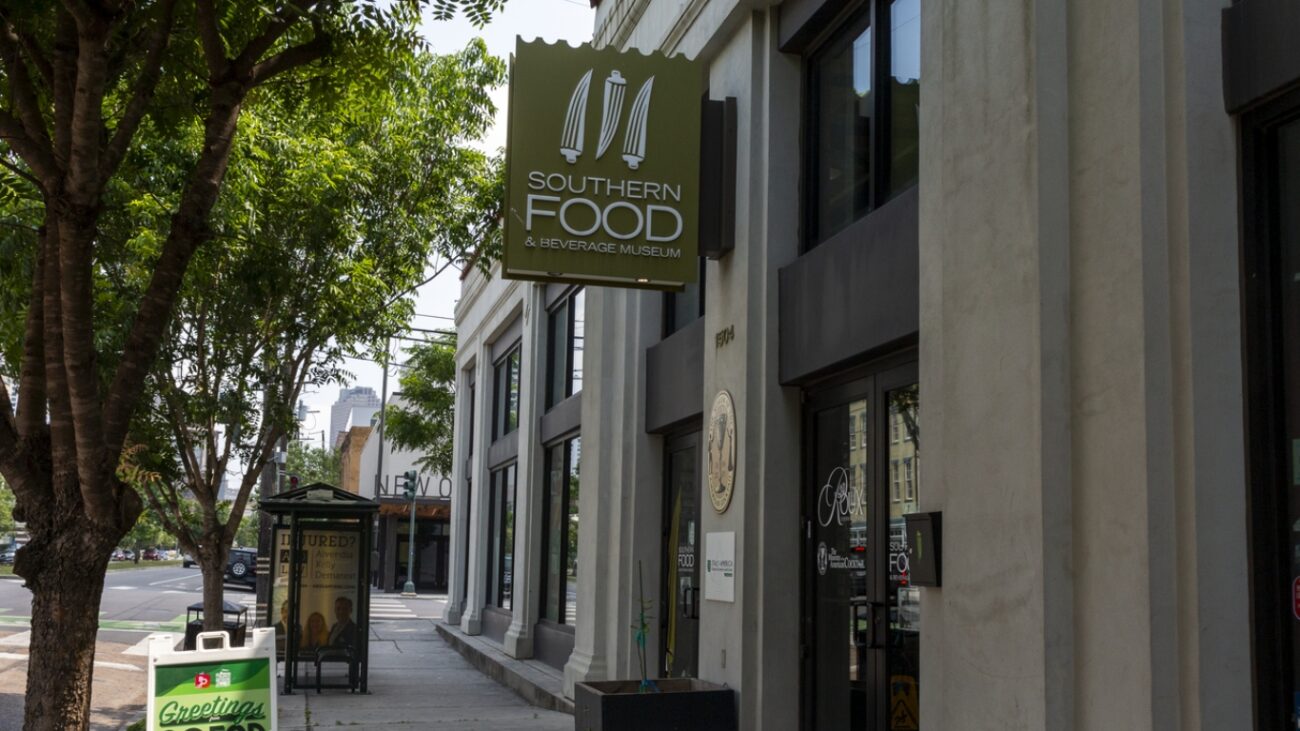
Liz Williams founded SoFAB in 2004 to study how food and culture shape each other, and it moved into part of the old Dryades Market building in 2014. The main gallery works through the South one state at a time, showing how farms, geography, and immigrant groups shaped what people cooked.
Cans, bottles, vintage stoves, spice tins, and old packaging line the walls, and a separate gallery covers vintage food signs. The Leah Chase Louisiana Gallery honors the late Dooky Chase’s chef, and an 1859 bar salvaged from Katrina wreckage stands restored inside. The Museum of the American Cocktail fills another wall with two centuries of drinking history.
The museum sits at 1504 Oretha Castle Haley Boulevard and opens Thursday through Monday starting at 11 a.m., closing Tuesdays and Wednesdays. Recent listings put adult admission at $12. Call (504) 569-0405 to confirm.
3. Backstreet Cultural Museum, Tremé
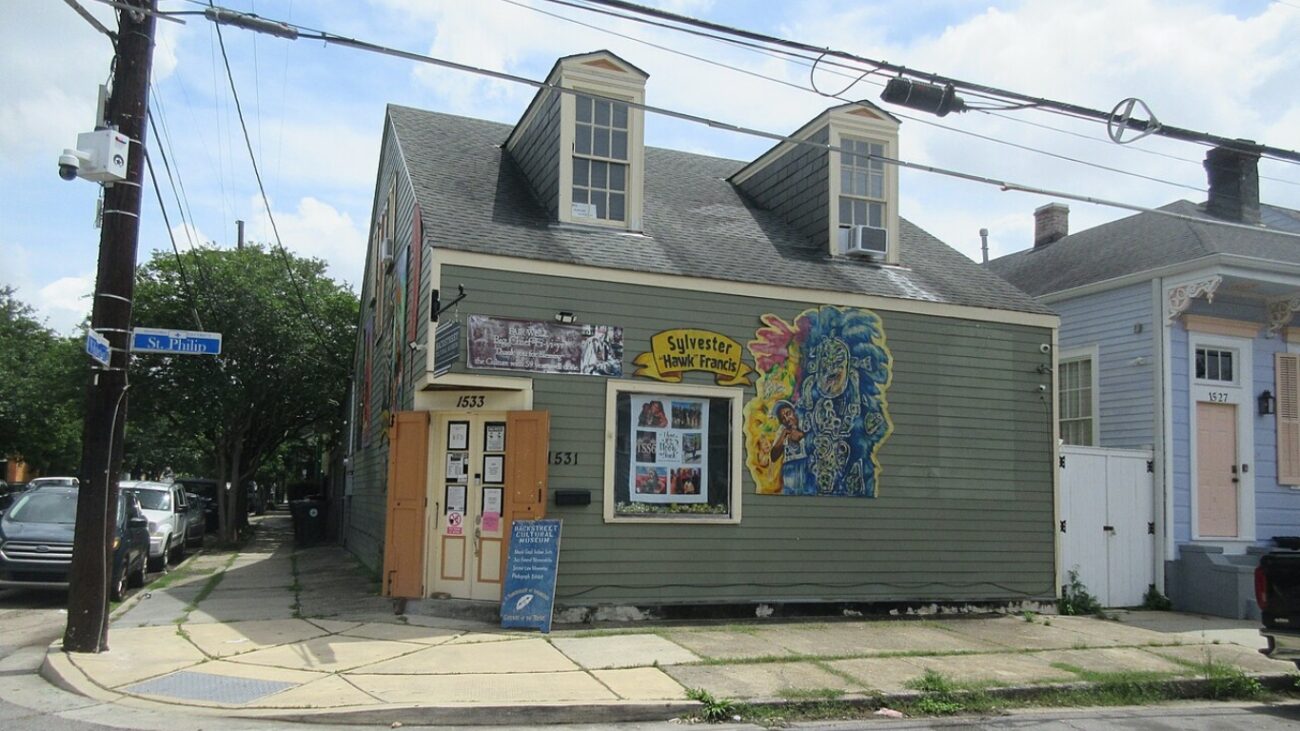
Sylvester “Hawk” Francis marched with a social aid and pleasure club and started displaying photographs and memorabilia in his two-car garage in 1988. Mardi Gras Indian tribes began donating suits, and the museum formally incorporated in 1999. It now holds one of the largest collections of hand-sewn Indian suits anywhere, alongside material on jazz funerals, second lines, and the North Side Skull & Bone Gang.
The museum does more than display. Second lines begin and end there, Indians gather on Mardi Gras morning, and it hosts the annual White Buffalo Day procession to Congo Square.
Hurricane Ida damaged the old building in 2021, and the museum reopened at 1531 St. Philip Street in July 2022. Hours run 10 a.m. to 4 p.m., Tuesday through Saturday. Admission is listed as either a $10 ticket or a $20 donation depending on the source, so bring cash. Photography is allowed, video is not.
4. Museum of Death, French Quarter

Rather than daily life, it covers what comes at the end of it: death and true crime, with body bags, coffins, mortician tools, autopsy instruments, taxidermy, crime scene photographs, and handwritten letters from serial killers. A back theater screens graphic footage.
The museum warns plainly that the material suits mature audiences only, and reviewers describe the displays as genuinely disturbing. Anyone squeamish should skip it.
It sits at 227 Dauphine Street and opens daily from 10 a.m. to 6 p.m. Admission costs $20, tickets sell only in person, the business is cashless, and photography is prohibited. Call (504) 593-3968.