

The best hotels in New Orleans have always doubled as something else. These five are simultaneously inns and art experiences, each one organized around a specific curatorial vision, whether that means Impressionist history, sacred iconography, Vodou ritual, global curiosity-collecting, or Louisiana antique acquisition pursued as a life’s work.
The Degas House

The house at 2306 Esplanade Avenue is the only home or studio of Edgar Degas open to the public anywhere in the world, recognized as such by the French Ministry of Culture through the National Order of Arts and Letters. Degas arrived here in the fall of 1872 to stay with his mother’s Creole family, the Mussons, and remained five months, completing 18 paintings. One of them, a portrait of his uncle’s cotton exchange on Carondelet Street, became his most commercially successful work and helped fund the first Impressionist Exhibition in Paris two years later.
The house operates today as a bed and breakfast with nine guest rooms and suites, each named for a member of the Musson-Degas family. The rooms are furnished with period pieces appropriate to the 1870s, and reproductions of the paintings Degas completed during his stay hang near the spaces where they were made. Daily tours are led by Degas’ own great-grandnieces.
Every stay includes a gourmet Creole breakfast and a walk through the rooms with someone who can speak to the family history from the inside. The Degas House is at 2306 Esplanade Avenue. Call (504) 821-5009 or book at degashouse.com.
Hotel Peter and Paul

The four buildings filling the corner of Burgundy and Mandeville streets in the Marigny were built at different times for different purposes: the 1860 church designed by Henry Howard, the 1861 rectory, the 1890 convent, and the 1900 schoolhouse. Together they served the English-speaking Catholic community of the Faubourg Marigny for over a century before secularization and suburban flight closed the school in 1992 and the church in 2001. Developer Nathalie Jordi and New York firm ASH NYC spent four years and $20 million bringing them back as a 71-room hotel, and the collection they assembled in the process is the reason it qualifies as a living museum.
The design team made a week-long buying trip to France and returned with a shipping container full of antiques. Greek and Russian religious icons came from Madrid. Custom wrought-iron beds were made by a local metalworking couple. Color palettes throughout the schoolhouse were pulled directly from religious paintings and tapestries spanning the 14th through 18th centuries: golden yellow on the ground floor, emerald green on the second, sapphire blue on the third, ruby red on the fourth.
The church itself remains largely as it was found, its stained-glass windows intact and its restored murals still visible above the former altar space. It operates now as an event and community space, with weekly yoga on the floor where pews once stood. Hotel Peter and Paul is at 2317 Burgundy Street in the Marigny.
International House Hotel

The 1906 Beaux-Arts building on Camp Street was designed as a bank, converted to a boutique hotel in 1998 by entrepreneur Sean Cummings, and has operated since then as one of the most deliberately curated properties in New Orleans. The lobby has hosted a Banksy mural rescued after Hurricane Katrina, mixed media portraits of Audrey Hepburn, Nelson Mandela, and John F. Kennedy, and hand-blown chandeliers shaped like pepper bunches commissioned from a Baton Rouge artist. The lobby is fully rearranged seven times a year to correspond with the hotel’s annual rituals, each one drawn from the tangle of influences that built New Orleans: Caribbean, French, Spanish, African.
On St. John’s Eve, the holiest night in the Vodou calendar, a priestess performs sacramental offerings in the lobby with head washings, drumming, spiritual chalk drawings, and a papier-mâché altar erected for the occasion. The bar adjacent to the lobby is called Loa, named for the divine spirits of the Vodou faith, lit by candlelight and stocked with vintage glassware and seasonal cocktails made with unusual ingredients, including pine liqueur and sassafras root. It glows like a movie set from an indeterminate country.
The 117 rooms range from subdued courtyard-facing suites to theatrical penthouses with Mississippi River views, wraparound terraces, and soaking tubs. International House Hotel is at 221 Camp Street. Call (504) 553-9550.
Maison Métier

The full history of Maison Métier appears earlier in this guide, but its place on this list rests on the specific nature of its curation. Designer Sara Ruffin Costello built the interiors of the former 1906 City Hall Annex around a single organizing principle: the building as collected home, assembled over generations by someone who traveled the world and brought back what moved them. The result is a 67-room hotel where no two rooms share the same aesthetic, every corridor holds something worth stopping to look at, and the art was commissioned from local and international artists including Leroy Miranda, Augusta Sagnelli, and Alex Podesta.
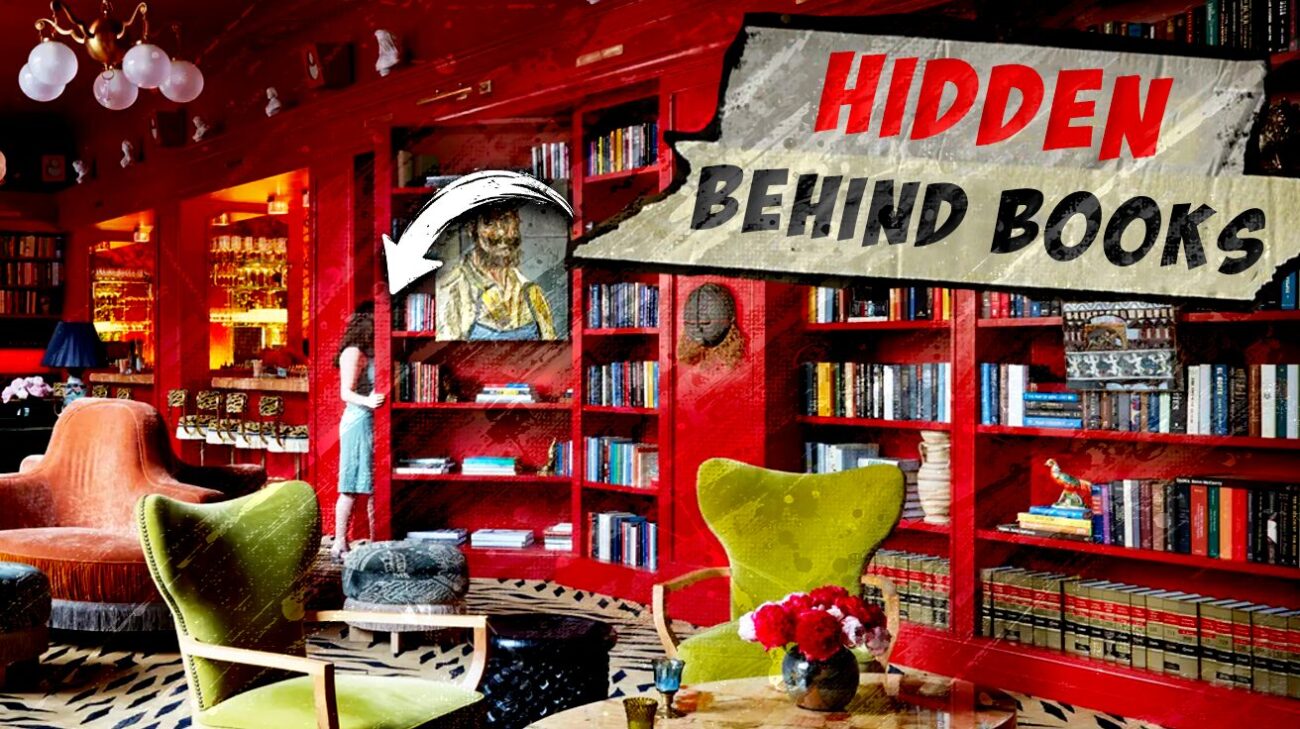
The private Salon Salon lounge, accessible through a hidden red revolving bookcase door off Bar Marilou, is the most theatrical element, but the collection extends through every floor.
Bespoke wallpapers, Christopher Farr rugs, antique New Orleans furnishings alongside custom contemporary pieces, and a breakfast room decorated with Dutch tin-glaze-style seaweed motifs on the hotel’s ground floor make the building itself the primary experience. The Michelin Guide has awarded it a Key for two consecutive years. Maison Métier is at 546 Carondelet Street in the Warehouse District.
Soniat House
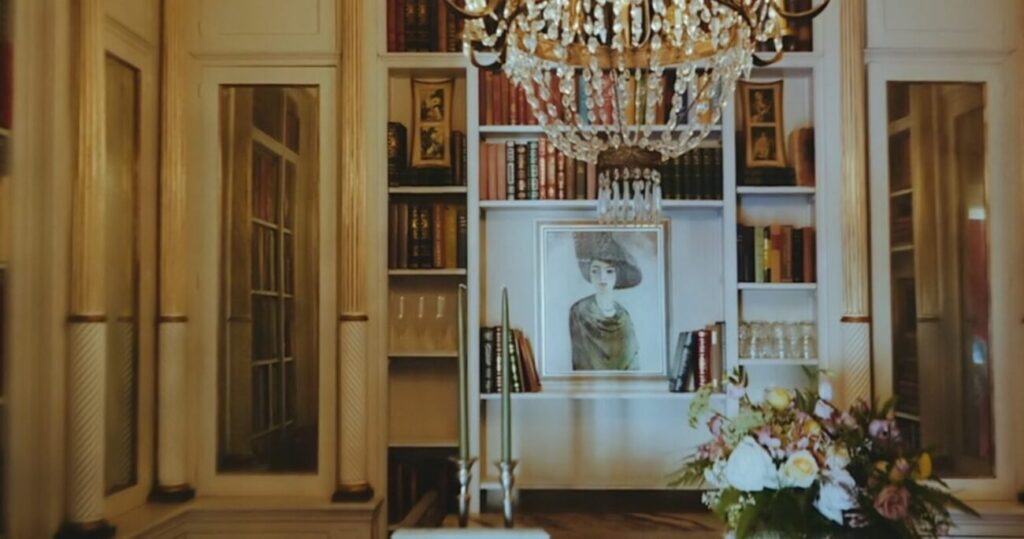
Joseph Soniat Duffossat and his eldest son Robert built three French Quarter townhouses between 1829 and 1833 on Chartres Street, designed both for their own convenience and, as was common among wealthy Creole families, for the explicit purpose of entertaining guests. Rodney and Frances Smith purchased the adjoining properties in 1982 and spent two years restoring them into a hotel whose antique collection became the point of the entire enterprise. The restoration won the award for best commercial restoration in the French Quarter in the preceding 50 years. The Soniat House Antiques Gallery opened within the hotel in 1996, filled with 18th, 19th, and 20th-century French, English, and Italian furniture, light fixtures, and decorative objects, the Smiths continued acquiring for decades.
Every one of the 31 rooms is individually furnished with period pieces, four-poster beds, antique mirrors, lavish paintings, and custom European fabrics. Spiral staircases connect wrought-iron balconies to two secluded courtyards planted with sweet olive and jasmine. Breakfast arrives on a tray with linen napkins and silver, and the owner has been known to staff the front desk personally.
The Architectural Digest feature on the property, Fodor’s listing it among the top 20 hotels in the world, and its membership in Small Luxury Hotels of the World all describe the same thing: a hotel that takes the antique collection as seriously as the hospitality. Soniat House is at 1133 Chartres Street. Call (504) 522-0570 or book at soniathouse.com.