

In Laredo, a breakfast taco goes by a different name — “mariachi” — and the story behind that name is exactly what one October evening aims to unpack. On Oct. 22, Food Town Laredo and the Laredo Center for Urban Agriculture and Sustainability (LCUAS) host a film festival whose title doubles as a thesis: “Chips and Cheese Doesn’t Make It Mexican Cuisine: A Film Festival Feast: ‘The Michoacán Paradigm to New Tejano Cuisine.’” Produced by City Makery, the program makes a long-overdue argument — Laredo’s culinary identity runs deeper than flattened Tex-Mex shorthand, and that story deserves to be told on film.
A Border Kitchen With a Longer Memory Than You Think
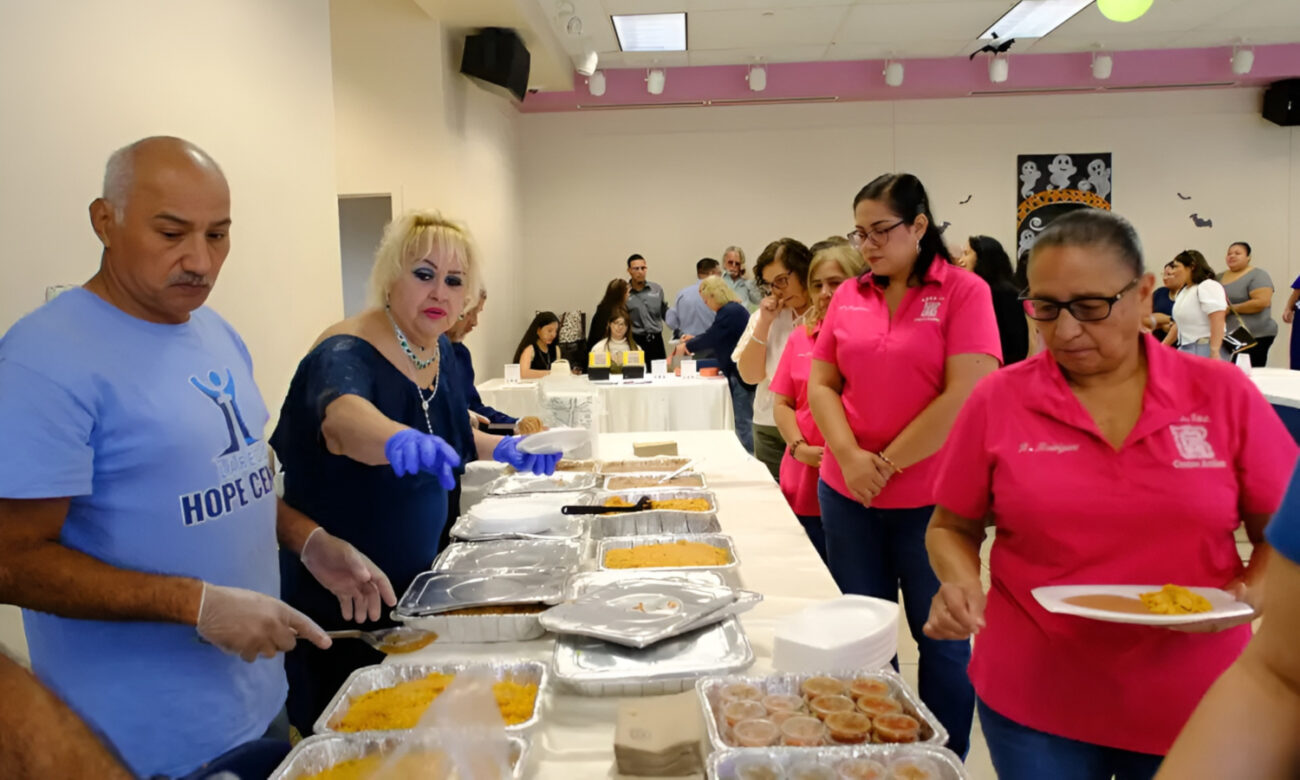
The Border Heritage Museum transforms for one night into a screening room, dining hall, and community gathering space where regional food culture takes center stage.
The evening runs 6–8 p.m. at the Border Heritage Museum, 810 Zaragoza St.; doors open at 5:30 p.m. Admission is free, though registration is required. Regional appetizers are available for purchase from local vendors, and live mariachi music accompanies the screenings throughout the night. What’s on the program:
- Chef and culinary historian Adán Medrano presents a film trailer documenting Texas Mexican culinary traditions and practices
- Culinary historian and Laredo native Maite Gómez-Rejón traces the history of the flour tortilla through her podcast, paired with a live demonstration of how the staple is made
- Food writer and taco journalist José R. Ralat appears in a documentary on New Tejano cuisine and how contemporary chefs are reinterpreting traditional dishes
- LCUAS board member Ryan Cantu’s short documentary revisits the El Encuentro de Mezquite program, exploring native mesquite-bean culinary uses
- A community podcast segment investigates why Laredo calls its breakfast tacos “mariachis” — and invites locals to contribute their own stories and theories
That last item is not food trivia. A regional name for a regional dish carries migration, memory, and local pride inside it. The flour tortilla’s history reflects generations of culinary traditions shaped by the Texas-Mexico borderlands. The mesquite bean represents native foodways that Food Town Laredo’s earlier El Encuentro de Mezquite program worked to recover and celebrate. Taken together, these threads make the case that Laredo’s cuisine is a living tradition — not a museum piece, but a practice that keeps reinterpreting itself.
Show Up Hungry — For Food and for the Story
José R. Ralat’s presence signals that this program is less about preserving the past than about understanding what New Tejano cuisine becomes next.
New Tejano cuisine is not a rejection of tradition — it is tradition with enough confidence to evolve. That tension, between preservation and forward motion, is what the evening’s films, podcasts, and conversations are built around. Doors open at 5:30 p.m. Admission is free. Registration is required — scan the event QR code to reserve a spot. Food is available for purchase from local vendors on-site. Arrive before the 6 p.m. start; the conversations this program is designed to spark are worth every minute.