

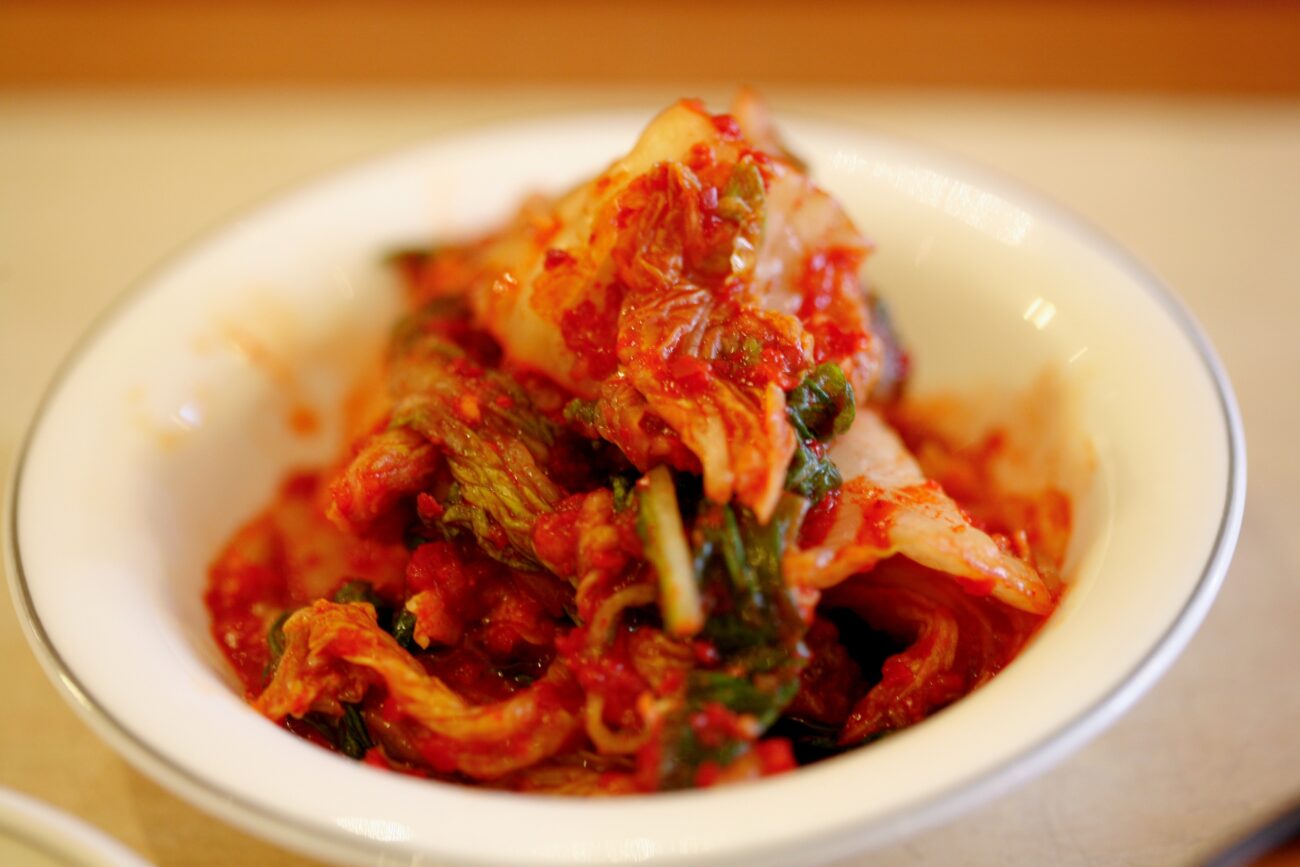
That fermented cabbage you’ve been seeing on trendy fusion menus might pack more health punch than anyone expected. A 2025 University of Connecticut review found that regular kimchi consumption lowered blood pressure by 3-4 mmHg, dropped triglycerides by 29 mg/dL, and reduced fasting blood glucose by 2 mg/dL—clinically meaningful improvements that caught researchers off guard given kimchi’s notoriously high sodium content.
Your Gut Gets the Biggest Benefits
Fermentation creates a probiotic powerhouse that reshapes your microbiome.
The magic happens during kimchi’s lacto-fermentation process, which produces beneficial bacteria strains like Weissella, Lactobacillus, and Leuconostoc mesenteroides. These probiotics don’t just survive your digestive system—they thrive there, boosting microbiome diversity and crowding out harmful bacteria.
Studies show that kimchi eaters develop higher levels of short-chain fatty acid-producing bacteria, the microscopic workers that improve everything from metabolic health to colon function. The fiber-rich vegetables provide prebiotics that feed these beneficial microbes, creating a self-sustaining ecosystem in your gut.
Heart Benefits Come With Doctor’s Orders
Research shows cardiovascular improvements, but sodium content demands medical consultation for some.
Here’s where kimchi gets complicated. Despite containing enough sodium to make cardiologists wince, regular consumption actually improved heart health benefits in Korean populations studied. The antioxidants from garlic, ginger, and chili peppers, combined with probiotics and fiber, appear to counteract salt’s typical blood pressure-raising effects.
“The beneficial bacteria and bioactive compounds may offset the hypertensive effects of sodium,” according to the University of Connecticut analysis. But doctors emphasize moderation—particularly for anyone managing high blood pressure or heart disease.
The recommended approach mirrors how Koreans traditionally eat kimchi:
- Small, consistent servings rather than American-sized portions
- Quarter-cup servings several times weekly
- Used as a condiment rather than a main dish
- Save Instagram-worthy kimchi fried rice bowls for special occasions
Kimchi’s transformation from Korean staple to American superfood reflects our hunger for foods that deliver both flavor and function. Start small, stay consistent, and let your taste buds—and your microbiome—adjust to this centuries-old health hack.