

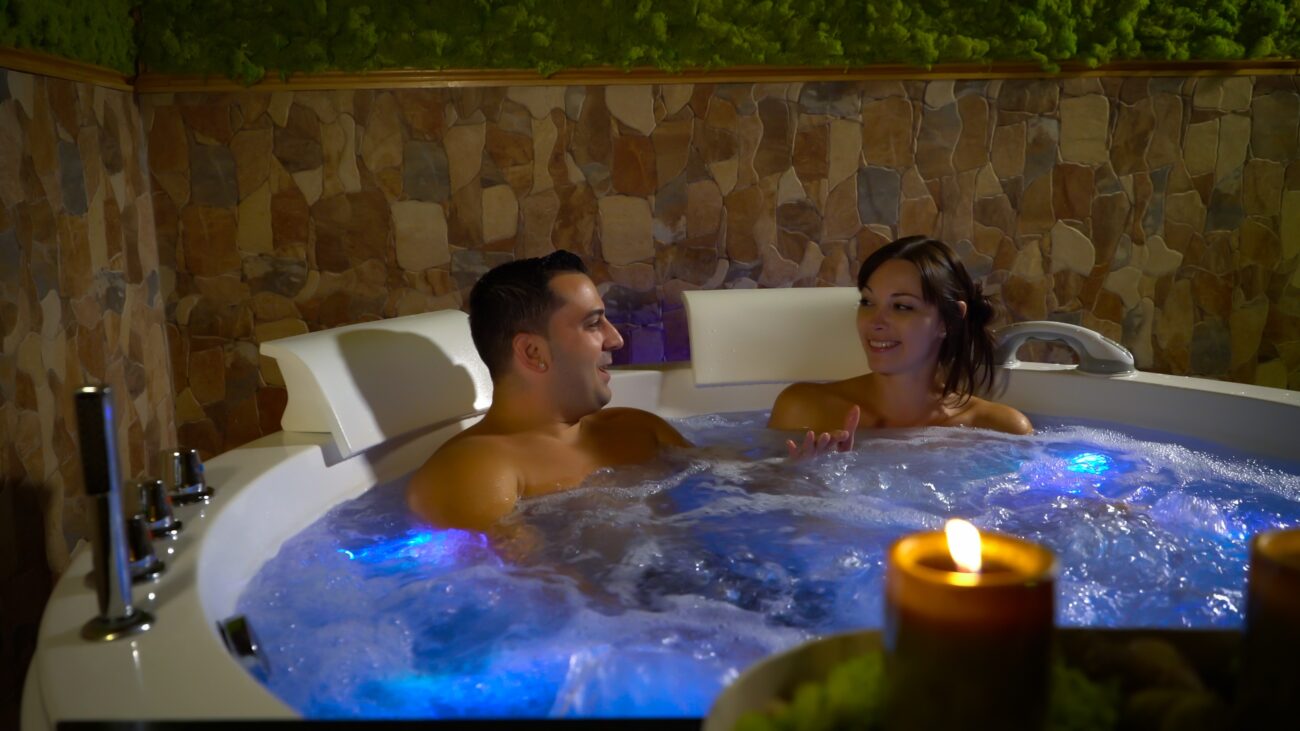
That Instagram-worthy couples’ retreat with the infinity hot tub might be working against your family planning goals. While resorts promote heated soaks as pure wellness, emerging research reveals a fertility blind spot the spa industry rarely mentions. Hot tubs can slash sperm counts by up to 50% and disrupt reproductive health in ways that contradict the “relaxation equals health” narrative driving modern wellness travel.
The science cuts through the marketing hype with uncomfortable precision.
The Heat Your Body Can’t Handle
Male fertility relies on precise temperature control that hot tubs systematically destroy.
Testicles function optimally at temperatures 1.9–3.9°C below core body temperature—a biological requirement that heated spa environments systematically violate. A 2007 clinical study found that weekly hot tub use above 98.4°F for at least 30 minutes led to a 22% decrease in sperm motility after just three months, according to research published in male fertility journals.
The mechanism is straightforward: heat damages sperm production and movement. Regular exposure can reduce sperm counts by half, creating fertility challenges that couples might never connect to their relaxation rituals.
Recent large cohort studies confirm these findings, showing that men using hot tubs more than three times monthly face measurable reductions in conception probability. The risk compounds when combined with other heat sources like saunas or heated car seats.
What the Wellness Industry Won’t Advertise
No universally endorsed “safe” hot tub temperature exists for those prioritizing reproductive health.
Reproductive experts avoid endorsing specific temperature thresholds, but consensus suggests avoiding regular use above 95°F for anyone concerned about fertility. That’s cooler than most resort hot tubs, which typically run 100–104°F. The effects are most pronounced in men over 30 and increase with exposure frequency.
For women, research remains limited but suggests heat exposure can disrupt hormone regulation and ovarian cycles through indirect temperature and stress responses. The scientific consensus lags behind male fertility research, but emerging evidence warrants caution.
Recovery typically takes several weeks to months after reducing heat exposure, depending on age, exposure duration, and individual health factors. While effects are generally reversible, the timing doesn’t eliminate the immediate impact on couples actively trying to conceive.
Smart spa strategies for fertility-conscious travelers include:
- Taking cooling breaks
- Alternating hot and cold soaks
- Choosing lower-temperature alternatives during conception-focused periods
The wellness industry’s silence on these trade-offs leaves travelers making uninformed choices about their reproductive futures—transforming relaxation rituals into unintended fertility obstacles.