

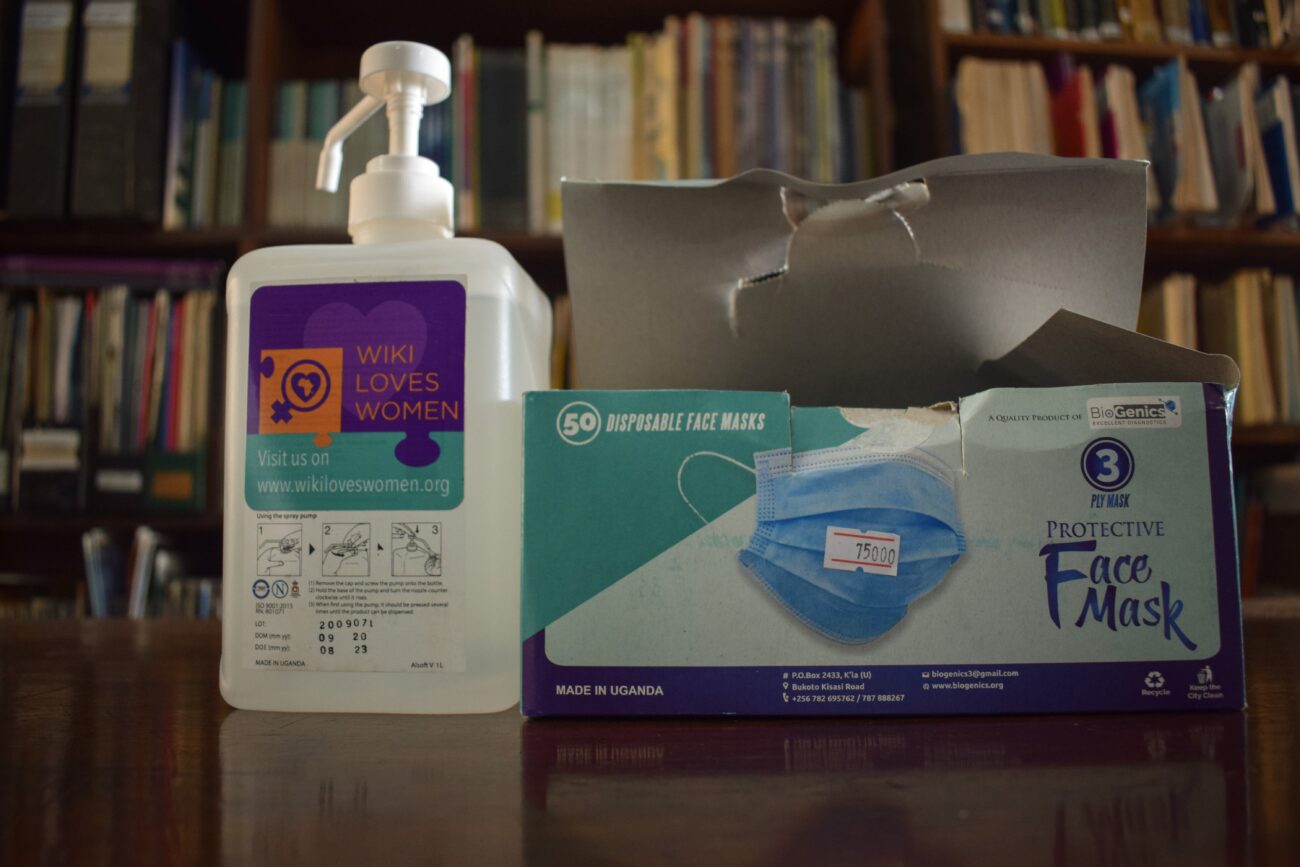
That quick pump of sanitizer at the restaurant entrance might protect against germs, but it’s harboring a darker secret. Triclosan, the antibacterial workhorse in countless hand sanitizers, doesn’t just eliminate bacteria—it’s quietly disrupting your body’s hormonal symphony. Food industry professionals, frequent diners, and culinary travelers face the highest exposure to this endocrine-disrupting chemical that masquerades as a hygiene hero.
The Chemical Culprit in Your Pocket
Triclosan mimics your body’s most essential hormones, creating hormonal chaos.
Triclosan structurally resembles both synthetic estrogens and the thyroid hormone thyroxine, according to research published in Frontiers in Endocrinology. This molecular mimicry allows it to interact directly with estrogen and thyroid hormone receptors, essentially hijacking your endocrine system.
Restaurant staff sanitizing between every table touch, street food vendors cleaning their hands dozens of times daily, and food festival enthusiasts navigating vendor after vendor accumulate far more exposure than occasional users. The chemical doesn’t just wash away—it absorbs through skin and accumulates in tissue.
The Mounting Evidence Against Sanitizer Safety
Scientific reviews link triclosan exposure to disrupted hormone balance and elevated breast cancer risk.
Studies published in Environmental Health Perspectives reveal that triclosan exposure alters levels of key sex hormones, including estradiol and testosterone. The chemical also disrupts sex hormone-binding globulin—a protein crucial for hormone regulation.
More alarmingly, research from Breast Cancer Prevention Partners found that higher urinary triclosan concentrations correlate with elevated breast cancer rates in women. The chemical impairs ovarian function, disrupts progesterone production, and may compromise sperm production through hormonal pathway interference.
Thyroid function faces a similar assault. Systematic reviews document decreased T3 and T4 levels alongside increased thyroid-stimulating hormone in exposed populations.
Clean Solutions for Dirty Hands
Soap, water, and ingredient awareness offer safer paths to hygiene.
Health agencies increasingly recommend caution with triclosan-containing products while calling for further research. Many countries now restrict or ban triclosan in personal care items, recognizing that the precautionary principle applies to hormone disruptors.
Forward-thinking restaurants and culinary venues are embracing “clean label” hygiene products, prioritizing staff and customer wellness. The solution isn’t abandoning hygiene—it’s choosing soap and water when feasible and selecting triclosan-free sanitizers when necessary.
Reading ingredient labels becomes crucial, especially for those already hormonally vulnerable or frequently exposed through food industry work.
Your hormones deserve the same attention you give your palate.