

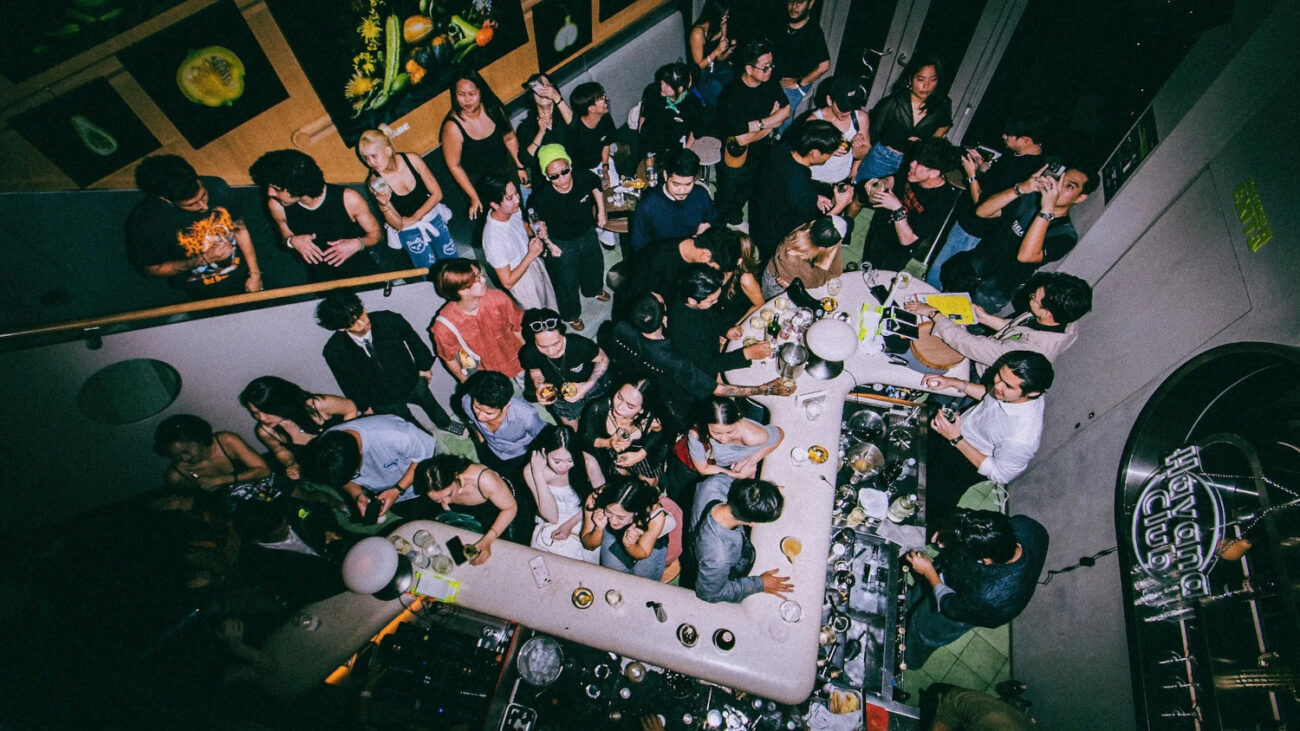
Bangkok has claimed the title of world’s best nightlife destination, ranking first in Time Out’s final 20-city list, based on research covering 150 cities. That verdict comes from more than 24,000 residents surveyed across those cities, weighted against assessments from over 100 Time Out editors and city experts — 70 percent local sentiment, 30 percent expert evaluation. The result is less a directory of famous clubs than a measure of what going out actually feels like.
Why Bangkok Won
Bangkok’s top score reflects a nightlife ecosystem where community, variety, and late-night energy all operate at once.
Seventy-three percent of Bangkok residents rated their city’s nightlife good or amazing, while the expert panel gave it 95 percent approval. The strength isn’t one legendary club or a single famous district. It’s everything operating simultaneously — street-side bars, rooftop venues, major clubs, LGBTQ+ spaces, late-night dining, and neighborhoods well suited to bar-hopping. Crucially, 73 percent of locals said finding connection and community was easy — a number that carries more weight than any venue name.
The ranking’s most telling statistics cut across the full list:
- Medellín scored the highest local quality rating of any city: 87 percent of residents called its nightlife good or amazing, and the city ranked among the most affordable on the list
- Brighton earned the top community score globally — 84 percent — driven by its LGBTQ+ and inclusive party scene
- New York ranks third, yet only 40 percent of locals consider a night out affordable, the steepest contrast between quality ranking and affordability on the list
- Beijing scored the highest affordability rating (77 percent) alongside 80 percent community approval, pairing hutong breweries with daytime coffee raves
- Berlin’s techno culture was added to rural Germany‘s national inventory of intangible cultural heritage in 2024, a landmark recognition of club culture’s social significance
The full ranking: Bangkok, Berlin, New York City, Melbourne, São Paulo, Medellín, Johannesburg, Brighton, Beijing, Amsterdam, Porto, Hong Kong, Athens, Madrid, Hanoi, Seoul, Bengaluru, Accra, Singapore, Mexico City.
Nightlife Isn’t Dying. It’s Moving.
Across all 20 cities, the data points to a nightlife scene redistributing itself across neighborhoods, formats, and communities.
Seoul’s 83 percent local approval reflects a scene where zero-proof cocktails and immersive bars sit alongside traditional clubs. Amsterdam is shifting away from a narrow party-tourism identity toward neighborhood venues across Noord, Oost, De Pijp, and Jordaan. Singapore — where 93 percent of respondents described the city as safe, the highest figure on the list — is increasingly shaped by independent collectives and listening bars. Porto earned the highest “welcoming and friendly” rating at 80 percent, built on street-side drinking and speakeasies. The presence of Accra, Hanoi, and Bengaluru in the top 20 suggests that nightlife authority is no longer concentrated in Western capitals alone.
When Germany formally recognizes techno culture as national heritage, nightlife stops being something cities merely tolerate. It signals that a city’s after-dark life carries genuine cultural value — one worth preserving. That quiet reframing may be the most significant story behind this entire ranking.