


New Orleans sits at the edge of one of the most biologically rich delta systems on earth, and you don’t have to go far to feel it. These three trails take you from a converted railroad corridor in the middle of the city to the edge of the Mississippi River Delta in under an hour, each one calibrated for the walker rather than the specialist.
The Lafitte Greenway

The strip of land running from the foot of the French Quarter to Mid-City has been a transportation corridor for over two centuries. Spanish colonial Governor Carondelet cut the original canal through it in 1794 to connect Lake Pontchartrain to the city. The canal gave way to a railroad right-of-way in the mid-1800s, which in turn sat vacant and heavily polluted after rail service ended in the mid-20th century.
The ground beneath it was originally a cypress forest, a ciprière au bois, before any of it was drained or built upon. In 2015, after years of grassroots advocacy and $9.1 million in post-Katrina recovery funds, it reopened as the Lafitte Greenway: a 2.6-mile linear park connecting eight neighborhoods across 27 city blocks.
The trail runs on a 12-foot asphalt path from the Basin Street trailhead near Louis Armstrong Park, through the Tremé and Lafitte neighborhoods, past native plant meadows and bioswales filled with Louisiana iris and water-tolerant grasses, to its western terminus near the Alexander Street entrance to City Park. A bosque of bald cypress trees marks the historic alignment of the old canal.
The weekly Thursday Mid-City Crescent City Farmers Market happens at the Greenway Plaza near Bayou St. John. Permanent public art installations dot the path, including a 17-foot-tall metal sculpture by William Nemitoff and an interactive prayer-wheel installation by Michel Varisco that marks three historic periods of the Mississippi River. The trail is lit at night, ADA accessible throughout, and open 24 hours. Free.
The Big Lake Loop, City Park
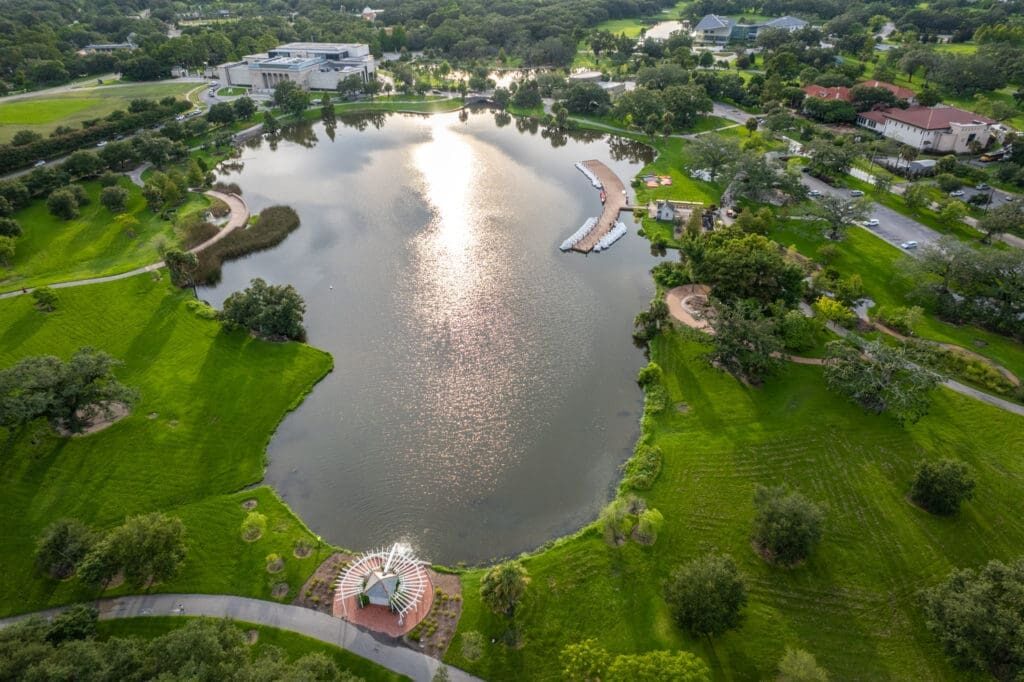
City Park holds the world’s largest collection of mature live oaks, some estimated at 600 to 900 years old. Most visitors see the southern section around the museum and the botanical garden, but the northern end of the park, around Big Lake and Couturie Forest, is where the landscape opens into something closer to a managed wetland preserve.
The paved loop around Big Lake runs roughly 1.5 miles through a canopy of live oaks and past the park’s fishing lagoon system, with egrets, herons, anhingas, and roseate spoonbills working the shallows throughout the year. The path connects to the perimeter of Couturie Forest, the 60-acre woodland covered elsewhere in this guide, where the birding intensifies along the one-mile trail through eight distinct ecosystems. Interpretive signs explain the park’s post-Katrina tree restoration, which added over 6,500 native trees after the 2005 flooding.
The combination of the lakeside loop and the Couturie trail system gives you roughly three miles of easy, flat walking through the densest concentration of native habitat inside the city limits. Enter from Dreyfous Drive near the park’s north entrance or from Harrison Avenue into Couturie. Free. Open daily.
Barataria Preserve, Jean Lafitte National Historical Park
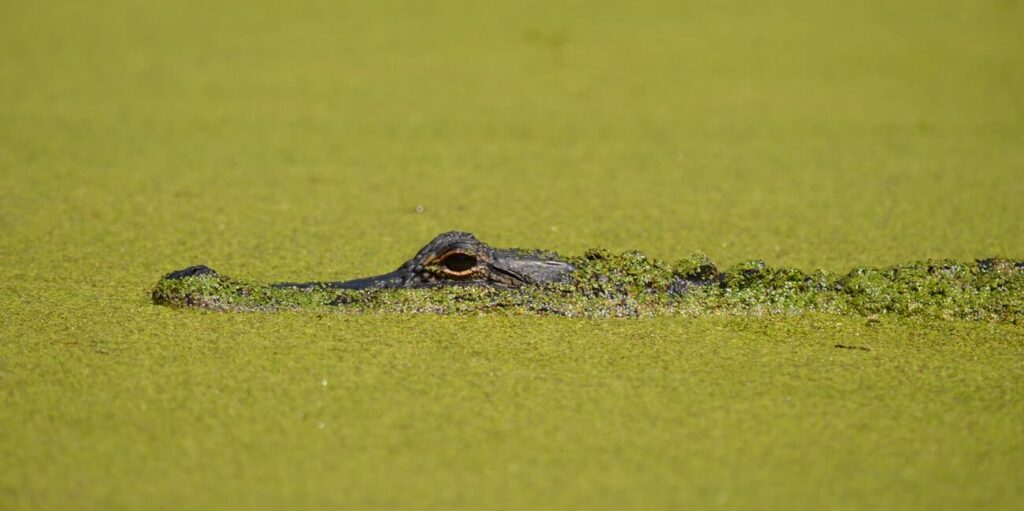
The pirate Jean Lafitte used this swamp as his smuggling headquarters in the early 19th century because it was genuinely impenetrable to outsiders. Today, the Barataria Preserve is a 26,000-acre unit of Jean Lafitte National Historical Park, roughly 17 miles south of downtown New Orleans in Marrero, and it is the most direct way to walk inside the Mississippi River Delta without a boat.
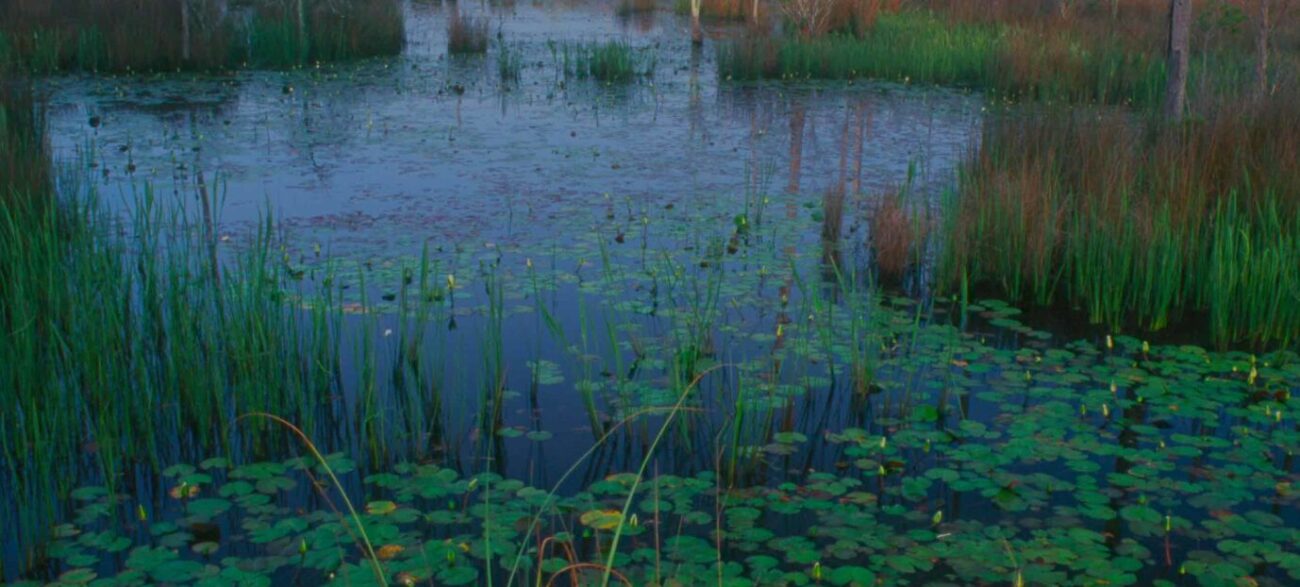
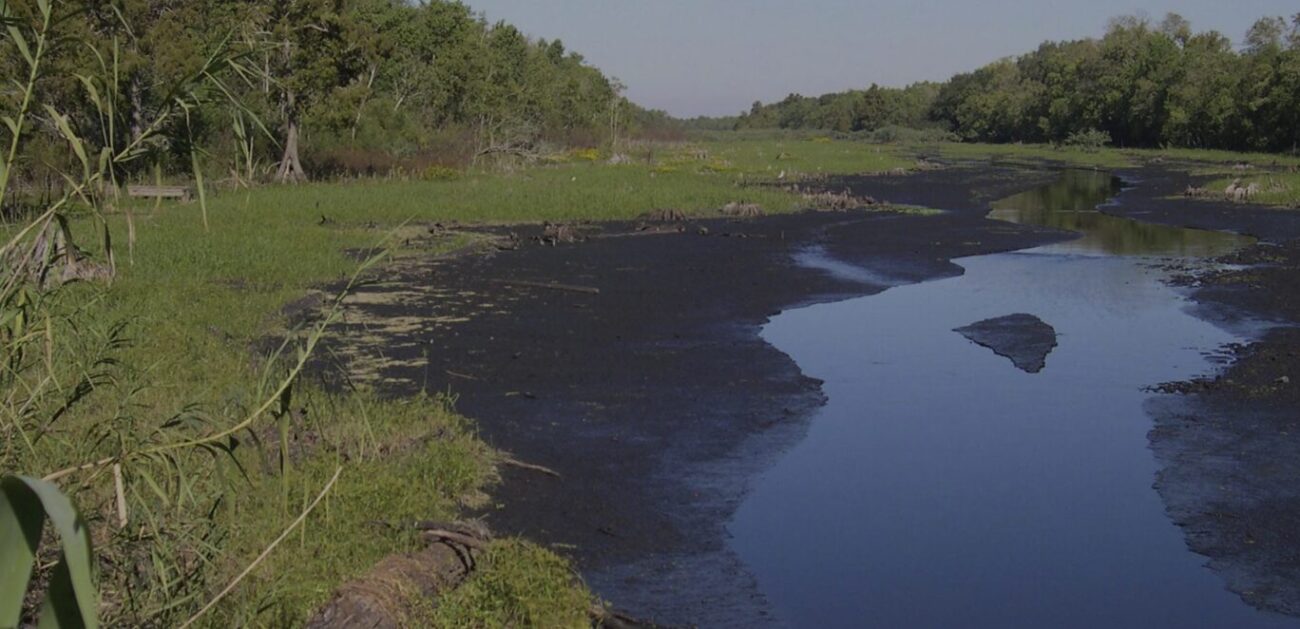
Nine miles of trails thread through the preserve’s mix of bottomland hardwood forest, cypress-tupelo swamp, bayou, and freshwater marsh. The Bayou Coquille Trail is the most accessible and most productive starting point: it begins in hardwood forest, transitions through cypress swamp over boardwalk, and ends at a marsh overlook where wading birds work the shallows and hawks soar above. The habitat shift from forest to swamp to open marsh happens within a single 1.9-mile round trip.
Over 300 bird species have been documented here across all seasons. Alligators are a regular sighting on the boardwalk year-round. Deer, nutria, and barred owls are frequent in the early morning. The preserve’s visitor center shows an orientation film, staffs daily ranger programs including guided walks and canoe treks, and runs a Junior Ranger program for children.
Admission is free. Parking is free. The preserve is at 6588 Barataria Boulevard in Marrero; take the Westbank Expressway from New Orleans. Bug spray is mandatory from March through October. Go in the morning.