

Scout Island sits at the center of New Orleans City Park, enclosed on all sides by the park’s network of bayous and accessible by foot from a pedestrian bridge near Magnolia Drive. The name comes from a specific historical allowance: Boy Scout troops were once permitted to camp overnight on the island, a privilege that was rare for any park guests at the time. Long before that, the land was part of the plantation belt that once covered what is now City Park’s 1,300 acres, with 13 sugar and indigo operations running across the property and roughly 300 enslaved people living on the grounds. The island carries that layered history quietly, without markers or interpretation, in the way that most of New Orleans does.
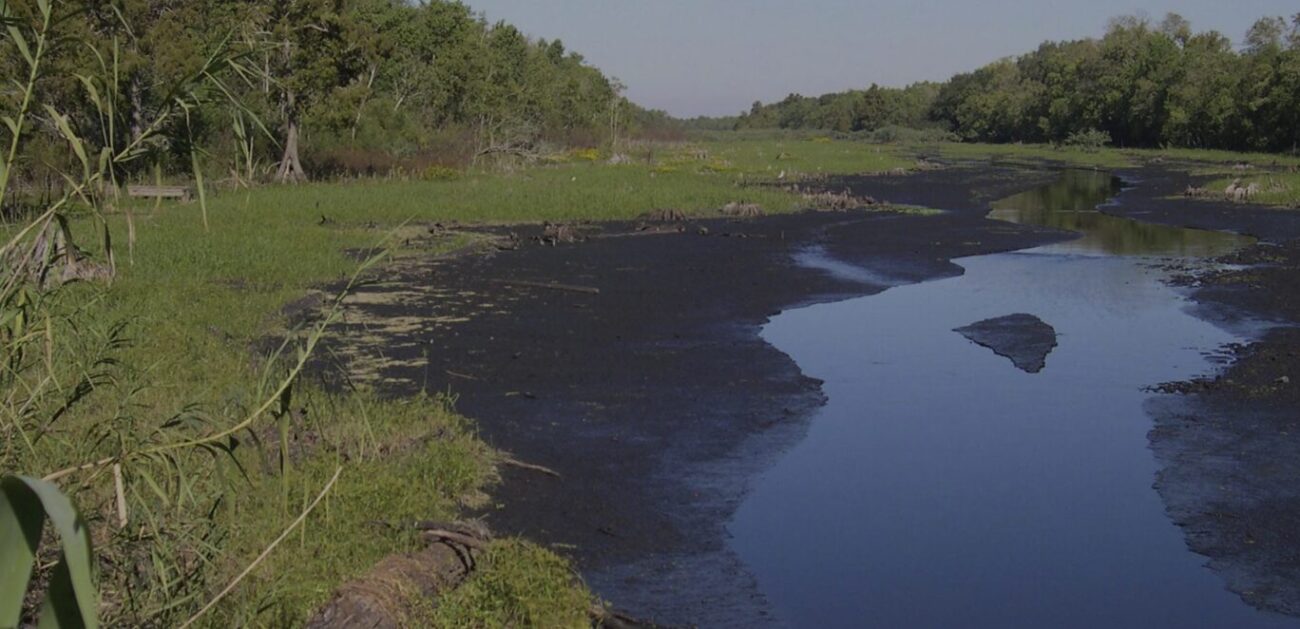
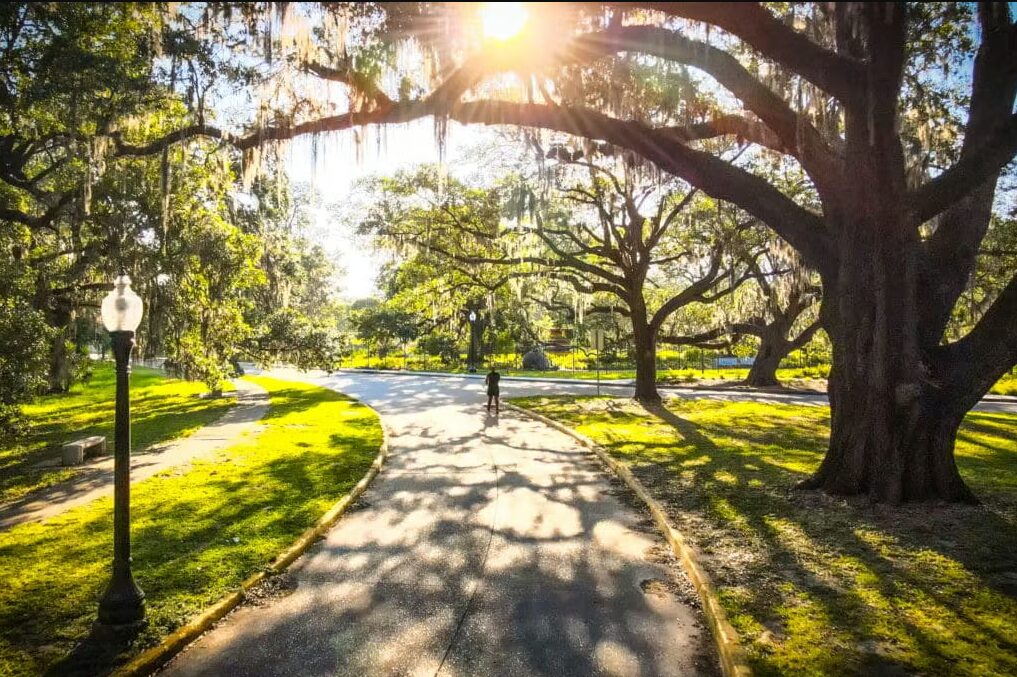
The perimeter trail is 0.66 miles of mulch path that hugs the waterline on the island’s eastern and western edges, reestablished after Katrina in 2007. It begins at the pedestrian bridge near Magnolia Drive and ends on the eastern side of the soccer fields, with a short gravel service road connecting the two mulch segments along the interior. The path stays close to the water for most of its length, moving through live oak canopy and brushy understory growth with lagoon views opening up at irregular intervals. A small fishing pier and picnic area sit about midway along the eastern edge, and the tree cover is dense enough that the surrounding park mostly disappears behind it.
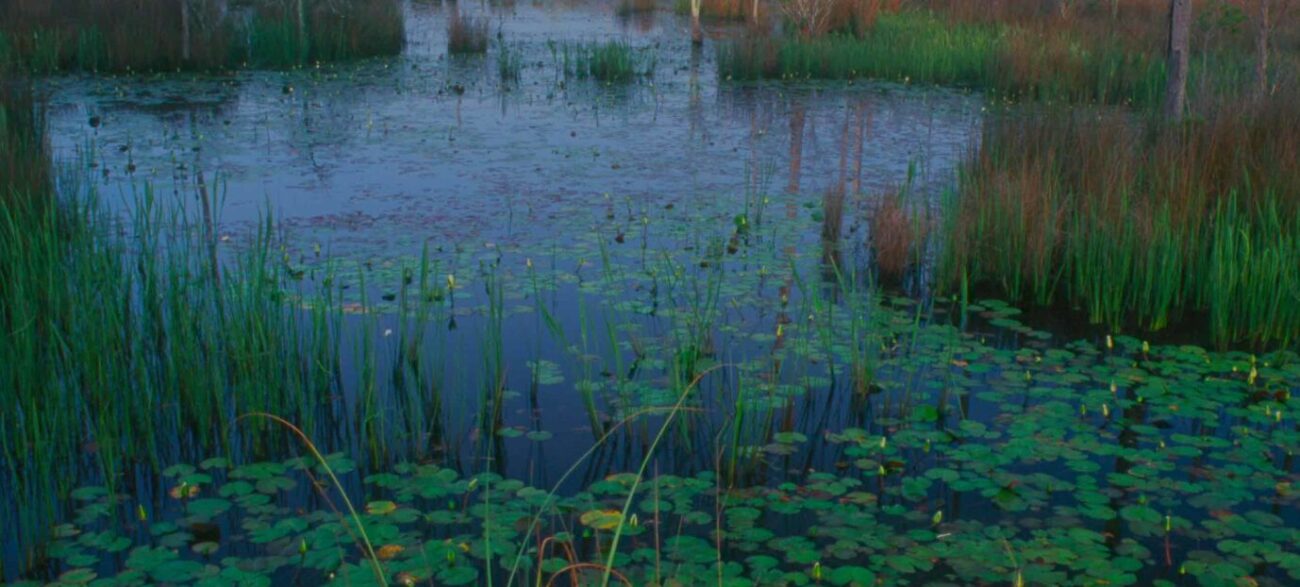
The combination of wooded edge habitat and open water makes Scout Island a reliable spot for wading birds, and the lagoon edges hold herons and egrets throughout the year. Rabbits work the interior brush, and the mulch surface is soft enough to move quietly, which matters when the canopy is active with migrants in spring and fall. The island sits just south of Harrison Avenue, which puts it in the same migratory corridor as Couturie Forest and the Wisner Tract to the north and east, and birds moving through that stretch of urban green space tend to filter through all three sites in sequence.
What separates Scout Island from the rest of City Park’s trail network is its relationship to the larger park around it. The Festival Grounds, Storyland, the carousel, and the Sculpture Garden all sit within easy walking distance, which means Scout Island operates as a quiet counterpoint to the park’s most programmed spaces rather than a remote destination. Visitors who wander in from the main park paths often don’t realize they’ve crossed onto the island until the bayou appears on both sides and the trail narrows under the trees. That transition, from the open lawns to the enclosed mulch path, happens quickly and with little fanfare, and it’s most of what makes the walk worth taking.
Enter from the pedestrian bridge near Magnolia Drive or from the chain-link gate on the south side of Harrison Avenue just past the first bridge east of the Marconi Drive intersection.