


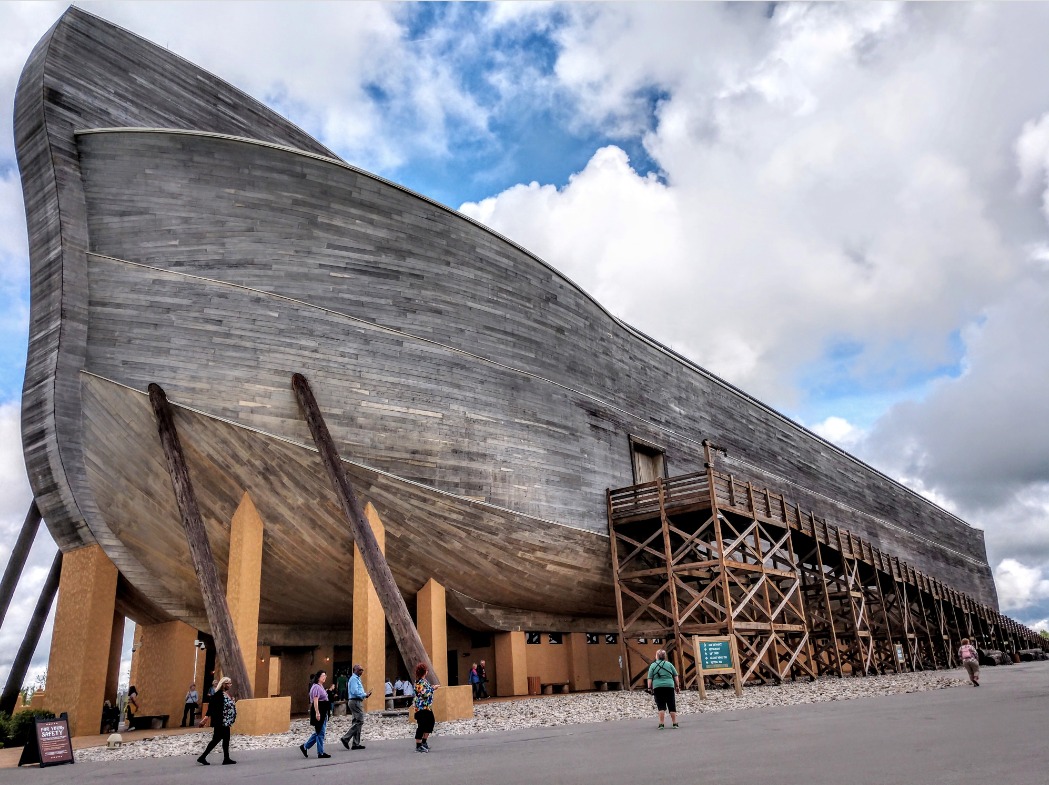
Ground-penetrating radar has revealed a 13-foot central corridor and what appears to be a three-deck structure inside Turkey’s boat-shaped Durupınar Formation. The site measures 515-538 feet long—matching the biblical description of Noah’s Ark at 300 cubits. Located near Mount Ararat, this geological formation has sparked fresh debate about whether ancient flood narratives left physical evidence in the Turkish highlands.
The discovery reignites decades of speculation about a site first spotted during NATO aerial mapping in 1959.
Radar Scans Reveal Hidden Structures
California researchers detect angular features and internal voids beneath the surface.
Noah’s Ark Scans, a California-based team, conducted ground-penetrating radar surveys that reportedly revealed sharp-angled walls and internal voids extending up to six meters deep. The scans suggest layered interiors resembling ship decks, with angular structures that proponents argue appear too geometric for natural formation.
Soil samples from 22 locations inside the formation reportedly show elevated potassium levels and organic matter—double the concentration found in surrounding areas. The pH changes and discolored vegetation above the site may suggest decomposed organic material, according to proponents who believe this supports the presence of ancient wood.
Ancient Pottery Adds Timeline Context
Chalcolithic fragments date to flood narrative timeframes, sparking preservation calls.
Recent roadwork near the site uncovered Chalcolithic pottery fragments dating to 5500-3000 BC, aligning with estimated flood timeline periods. Dr. Faruk Kaya has called for site protection as ongoing research by Agri Ibrahim Cecen University and Istanbul Technical University continues since 2022.
The formation sits in a seismically active valley 18-29 kilometers south of Mount Ararat, exposed by rains and earthquakes in 1948. This location presents problems for biblical literalists, since Genesis 8:4 describes the ark landing “on the mountains of Ararat,” not in a valley below.
Geological Skepticism Remains Strong
Scientists maintain the formation results from natural mudflows and erosion processes.
Geologists including Lorence Collins and Andrew Snelling dismiss the site as a natural limonite formation created by mudflows and erosion. The 1960s excavations found no artifacts or wood remains despite extensive digging.
Multiple geological surveys have examined the site over six decades, with experts suggesting radar anomalies may result from subsurface rock layers and mineral deposits. The debate faces intense scrutiny, with each new technology bringing fresh analysis but no definitive wood samples or human artifacts.
Planned drilling research may finally provide material evidence to settle the question. University researchers leading the current studies emphasize that continued scientific investigation using multiple methodologies will determine whether this site holds archaeological significance.