

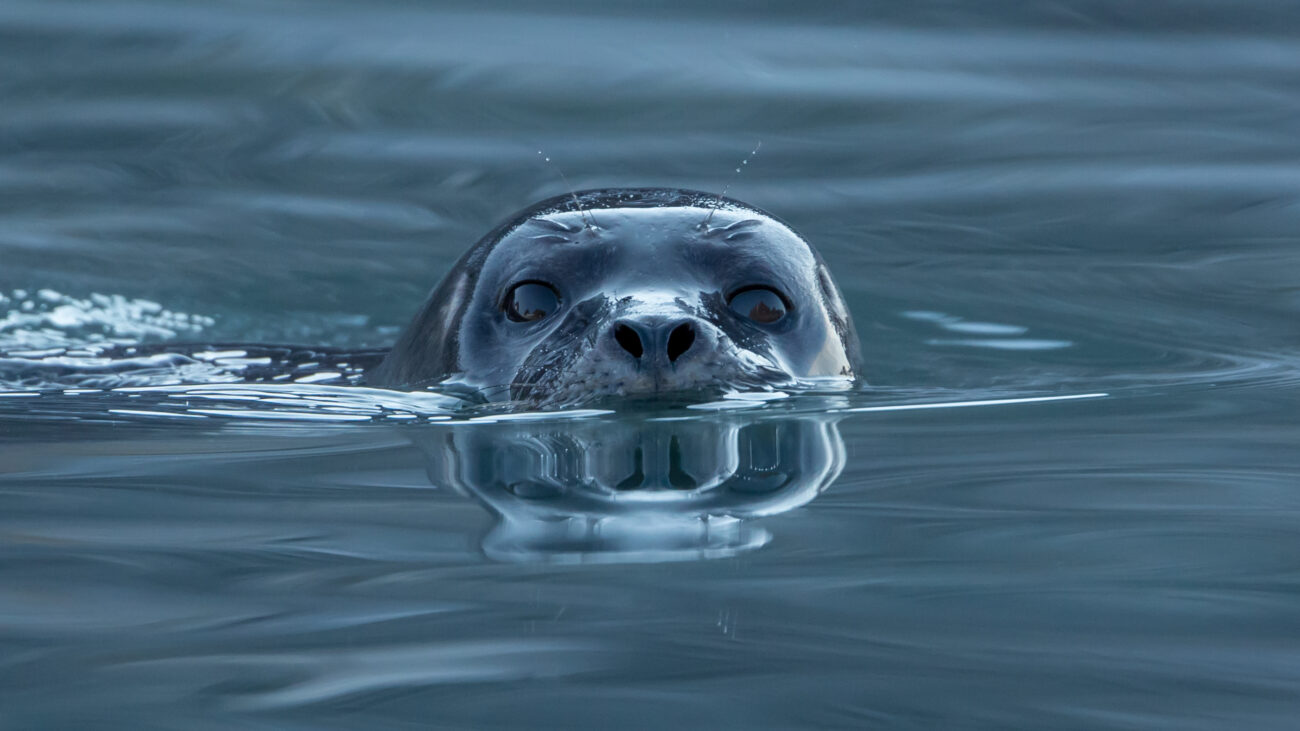
A routine bear hunt near Alaska’s Ivanof Bay turned into a medical mystery when a 29-year-old hunter became the first documented person to contract “seal finger” disease from a brown bear. The bacterial infection, traditionally linked to seal handling, surprised doctors who discovered the bear likely carried the pathogen after feeding on marine mammals.
When Standard Treatment Fails
The hunter’s finger infection resisted typical antibiotics, leading to a groundbreaking diagnosis.
The incident unfolded in fall 2024 when the hunter cut his left pinky while skinning his harvested bear. What started as a minor wound quickly escalated into painful swelling, fever, and tendon damage that refused to respond to standard antibiotics.
Dr. Benjamin Westley eventually identified the culprit through DNA sequencing: Mycoplasma phocimorsus, the bacterium behind seal finger disease.
“What was particularly shocking… I did not expect this bacteria,” Westley told Alaska Public Media. This marked only the second confirmed M. phocimorsus case in Alaska since 2015, but the first ever linked to a brown bear rather than direct seal contact.
Key Facts About Seal Finger Disease
- Symptoms: Painful swelling, redness, stiffness without pus formation
- Treatment: Requires tetracyclines like doxycycline; standard antibiotics fail
- Risk factors: Contact with marine mammals or animals that feed on them
- Prevention: Cut-resistant gloves, immediate wound cleaning, and early medical attention
- Consequences: Delayed treatment can cause joint damage or, historically, amputation
Bears as Unexpected Disease Vectors
Coastal brown bears’ marine diet creates new pathways for seal-associated bacteria.
The connection makes biological sense once you understand Alaska’s coastal ecosystem. Brown bears regularly scavenge seal carcasses and catch fish, allowing marine bacteria to colonize their mouths and digestive systems. When the hunter’s knife contacted the bear’s mouth during processing, it created a direct pathway for infection.
This case expands understanding of zoonotic disease transmission beyond traditional vectors. Alaska’s Indigenous hunters have long recognized seal finger’s dangers, but this bear connection represents uncharted territory in wildlife disease surveillance.
The hunter recovered with some residual finger stiffness, but his case now serves as a crucial warning for Alaska’s hunting community. For anyone processing coastal bears or marine mammals, the message is clear: invest in cut-resistant gloves and seek immediate medical attention for any wound that shows unusual swelling or resistance to treatment.