

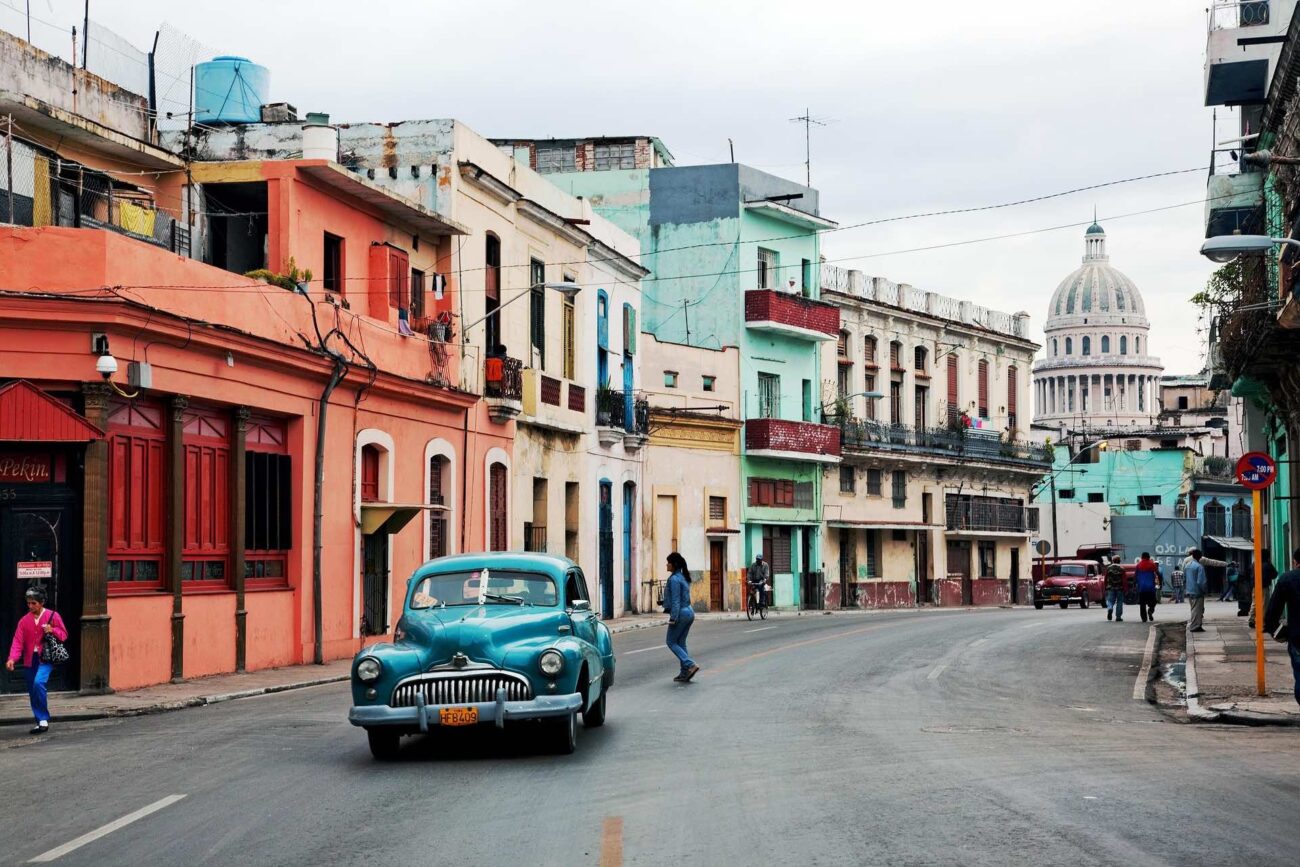
Cuba’s population has declined by 1.45 million people since 2012, shrinking from 11.2 million to just 9.75 million today—a decline that’s gutting the island’s legendary food culture from farm to table. Walk through Havana’s Mercado Agropecuario Cuatro Caminos now, and you’ll find vendors twice as old as their customers, their stalls half-empty not just from embargo-induced shortages, but from the mass exodus of young workers who once harvested yuca and served ropa vieja.
The Great Cuban Departure
Record emigration and plummeting birth rates create a perfect storm for cultural preservation.
The numbers tell a brutal story. Over 500,000 Cubans fled in 2024 alone, joining the estimated 3 million who’ve left since 2021’s protests, according to Le Monde’s analysis of migration data. Meanwhile, births hit a record low of 71,000 against 129,000 deaths.
Cuba’s fertility rate of 1.45 sits well below replacement level, transforming the Caribbean’s most food-obsessed nation into one of the world’s fastest-aging populations.
Key demographic impacts on Cuban food culture:
- Restaurant workforce shrinking as young cooks emigrate to Miami and Madrid
- Traditional family recipe knowledge leaving with grandmothers who raised no grandchildren
- Agricultural labor shortage affecting tobacco farms and urban gardens is critical to paladares
- Market vendors are aging out with no successors to inherit stalls
Adapting Appetites in Crisis
Private restaurants and home cooks innovate while state-run establishments struggle.
The crisis hits differently across Cuba’s food landscape. State restaurants—already hampered by shortages—now face skeleton crews as workers chase better wages abroad. But private paladares show remarkable resilience, adapting their operations to survive with reduced staff and limited resources.
These family-run establishments source ingredients through informal networks, employ older staff willing to work for tips in hard currency, and cater to the tourists who still arrive seeking authentic Cuban flavors.
Food markets reveal the adaptation in real time. Vendors consolidate stalls, share labor, and rely increasingly on remittances from emigrant relatives to stock shelves. Traditional communal cooking survives in neighborhoods where extended families pool resources, though fewer young hands help prepare the elaborate Sunday feasts that once defined Cuban social life.
Despite UN projections showing Cuba’s population could shrink to 7.7 million by 2050, the island’s food culture endures through sheer stubbornness and creativity. The recipes survive, even if fewer hands prepare them.