

Louisiana’s cities unfold like chapters in a novel written by jazz musicians and bayou poets. Each destination tells its story through wrought-iron balconies, cypress-lined waterways, and the kind of architecture that makes you believe in second chances—and third helpings of everything.
10. New Orleans

Where every street corner hums with stories older than your grandmother’s cast iron.
The French Quarter doesn’t just house history; it breathes it through every creole cottage and cathedral spire. Royal Street’s galleries spill onto sidewalks like watercolors in the rain, while Magazine Street stretches six miles of antique shops and corner cafes that feel like discovering your favorite song on vinyl. Anyone who’s wandered these streets past midnight knows that New Orleans doesn’t sleep—it just changes costumes between acts.
Uptown’s Garden District showcases mansions that rival movie sets, their columns draped in Spanish moss like elegant jewelry. The streetcar rattles through oak-canopied avenues where every house seems to whisper tales of literary salons and summer storms.
9. Baton Rouge
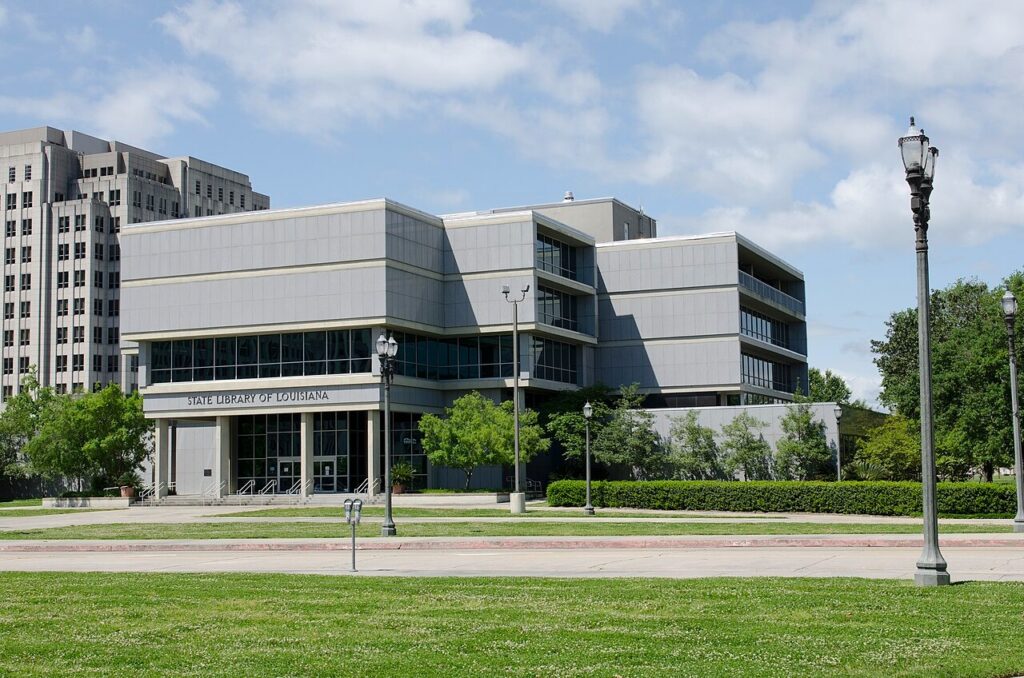
The capital city where politics meets poetry along the mighty Mississippi.
Downtown Baton Rouge rises from the river like a phoenix with a law degree, its art deco capitol building piercing the sky at 34 stories. The USS Kidd floats permanently docked, a floating museum that transforms history into adventure for anyone willing to climb aboard.
LSU’s campus sprawls across the city like a small town unto itself, where ancient oaks create natural cathedrals between brick buildings. The Shaw Center for the Arts anchors the riverfront, proving that culture and commerce make beautiful dance partners when the music’s right.
8. Lafayette
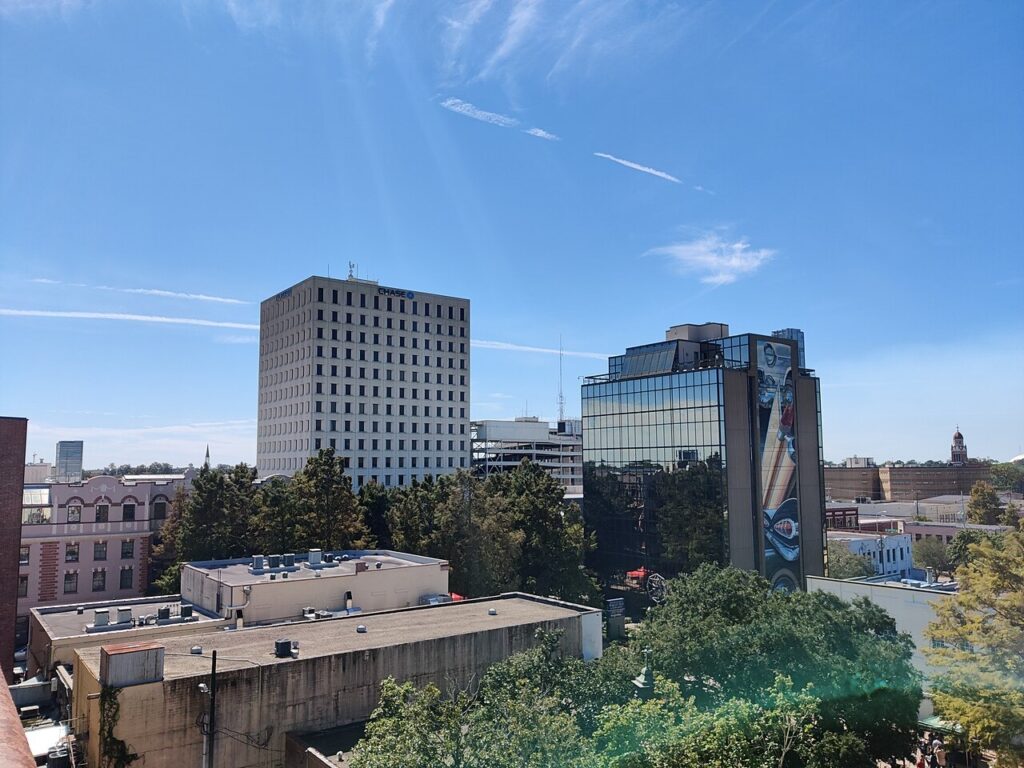
Where Cajun culture flows like honey through Spanish moss.
Lafayette pulses with accordion rhythms and the kind of warmth that makes strangers feel like family before the first course arrives. Downtown’s Jefferson Street corridor buzzes with galleries, boutiques, and restaurants where French names roll off menus like poetry.
Vermilionville recreates 19th-century Acadian life with craftsmen who make history feel touchable. The surrounding wetlands stretch endlessly, their cypress trees standing sentinel over waters that mirror clouds and osprey with equal grace.
7. Shreveport

Where the Red River runs deep and the music runs deeper.
The Red River District anchors Shreveport’s renaissance, its restored warehouses now housing loft apartments and farm-to-table restaurants. Riverboat casinos light up the waterfront like floating festivals, their glow reflecting off waters that have carried everything from steamboats to dreams.
Cross Lake spreads across the city’s eastern edge, offering 8,575 acres of fishing, boating, and sunset watching. The historic Highland neighborhood showcases early 20th-century homes that prove prosperity and good taste aren’t mutually exclusive.
6. Natchitoches

America’s oldest permanent settlement wrapped in antebellum charm.
Front Street unfolds along Cane River like a movie set that decided to become a real town. Two-story buildings with cast-iron balconies house boutiques and bistros where Christmas festivals feel magical even in July.
The historic district preserves French Creole architecture with the devotion of a love letter. Melrose Plantation stands nearby, its African House a testament to the complex cultural currents that shaped this river bend into something uniquely beautiful.
5. Alexandria
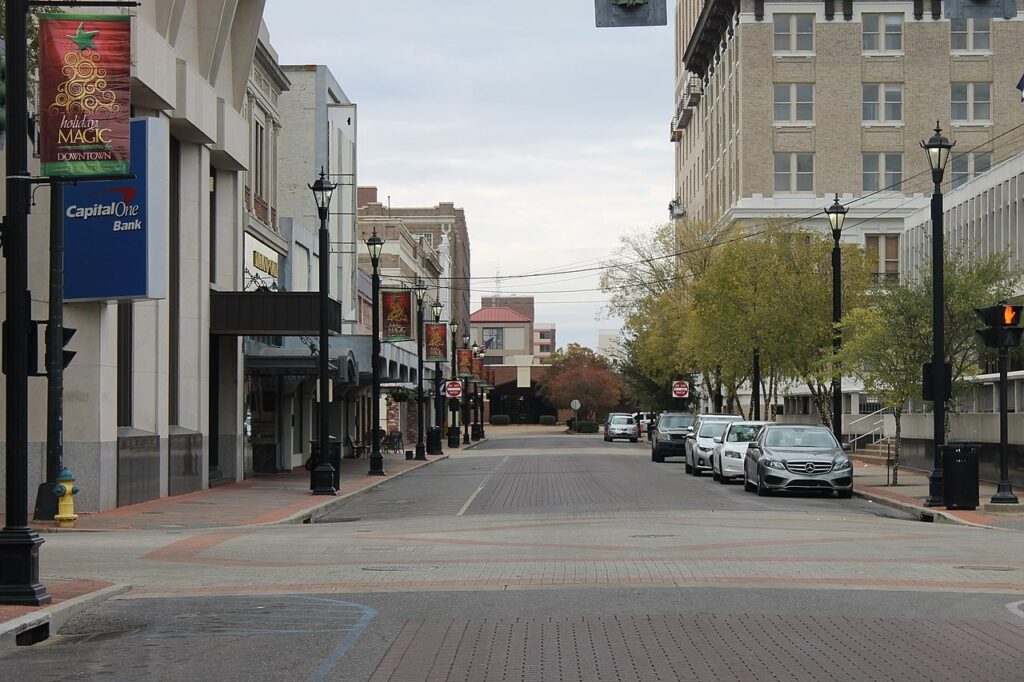
Where central Louisiana’s heart beats strongest along the Red River.
Downtown Alexandria reinvents itself around the Red River, with RiverFront Center hosting concerts and festivals that draw crowds from across the state. The Historic District preserves Victorian homes and commercial buildings that survived both time and civil war.
Kisatchie National Forest begins at the city’s doorstep, offering 604,000 acres of longleaf pine and outdoor adventures. The forest’s trails wind through landscapes that feel ancient, where silence speaks louder than any tour guide.
4. Lake Charles
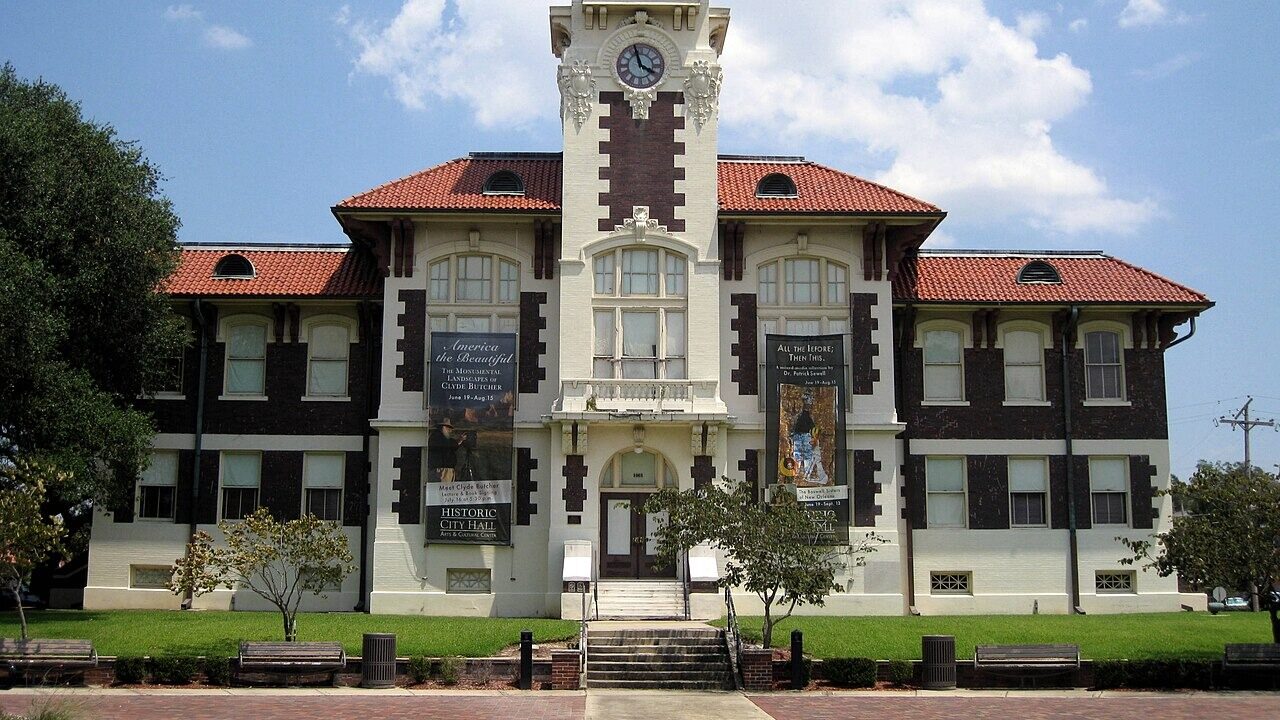
Where the prairie meets the marsh in perfect Louisiana harmony.
The Charpentier Historic District showcases Victorian architecture with the flourish of a region that never learned the word “understated.” These elaborate homes feature gingerbread trim and wraparound porches designed for storytelling and sweet tea.
Lake Charles itself stretches 50,000 acres, offering fishing, boating, and bird watching where egrets pose like ballet dancers against sunset skies. The nearby Creole Nature Trail winds through marshlands where alligators sunbathe and roseate spoonbills paint the sky pink.
3. Monroe
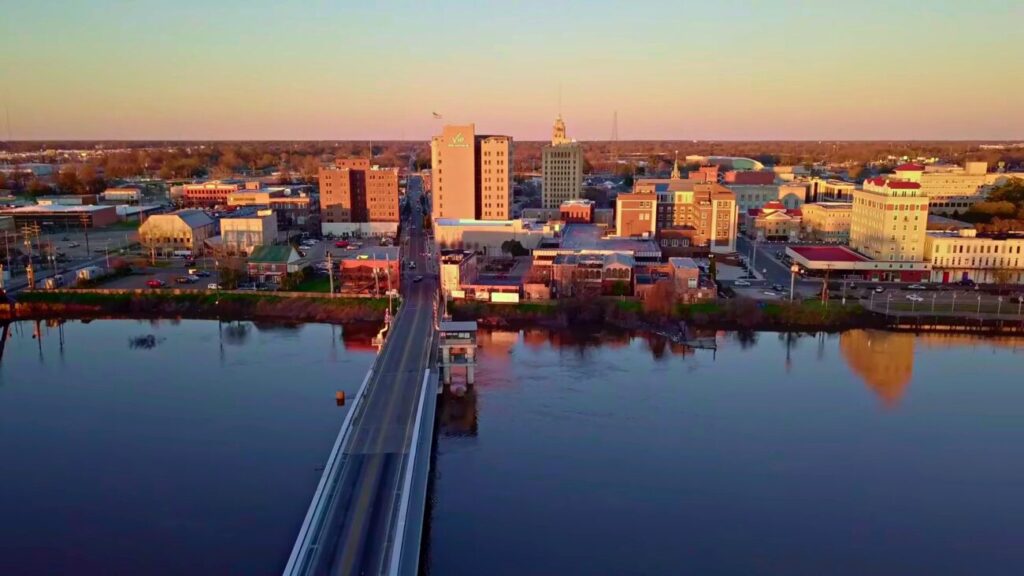
Where the Ouachita River carved out a valley of unexpected beauty.
Antique Alley transforms downtown Monroe into a treasure hunter’s paradise, with restored buildings housing collections that span centuries. The Biedenharn Museum and Gardens showcases the mansion where Coca-Cola was first bottled, complete with period gardens that bloom like something from a Victorian novel.
Black Bayou Lake National Wildlife Refuge spreads across 4,500 acres just outside town, offering boardwalks through cypress swamps where every sunrise feels like a private concert performed by nature herself.
2. Hammond

Where small-town charm meets southeastern Louisiana’s natural splendor.
Hammond’s downtown square centers around a courthouse that anchors the community like a grandfather clock marks time. Kliebert’s Turtle and Alligator Farm offers up-close encounters with Louisiana’s prehistoric residents, while nearby Joyce Wildlife Management Area provides 40,000 acres of pristine wetlands.
Southeastern Louisiana University’s campus brings youthful energy to tree-lined streets where historic homes wear their age like fine jewelry. The surrounding countryside rolls gently between pine forests and agricultural fields that stretch toward distant horizons.
1. Opelousas
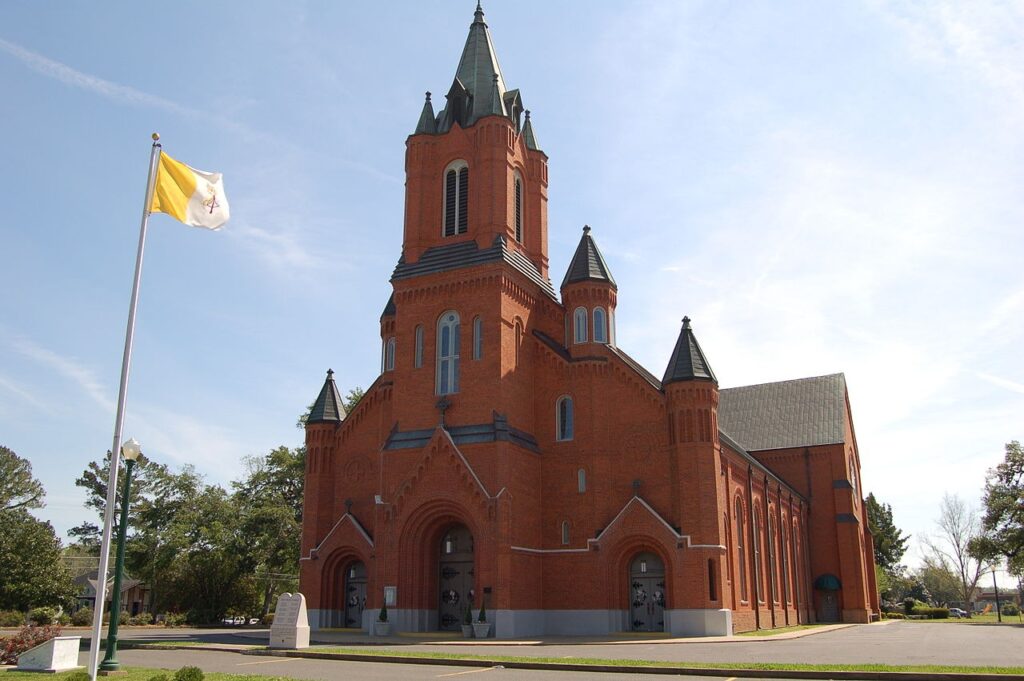
The spice capital where Zydeco was born and jambalaya perfected.
Opelousas wears its title as Louisiana’s spice capital with the pride of a chef who knows their way around a roux. The Palace Theater anchors downtown’s renaissance, hosting concerts where zydeco legends still make accordion magic feel like discovering fire.
Le Vieux Village recreates 19th-century Louisiana life with authentic buildings and craftsmen who keep traditional skills alive. The surrounding countryside unfolds in agricultural patterns that have fed Louisiana for generations, where rice fields mirror sky between seasons.