


You know that moment when you’re stuck in traffic, breathing exhaust fumes, and wondering if there’s another way to exist? Turns out, scattered across the globe are places where engines never disturb the rhythm of daily life, proving that sometimes the most revolutionary path forward means leaving the road behind entirely.
These aren’t just quaint postcards from a simpler time—they’re living laboratories where communities have mastered the art of moving without motors. From canal networks that whisper with boat traffic to islands where the loudest sound might be geese overhead, these places demonstrate that human ingenuity thrives when freed from asphalt constraints.
11. Giethoorn, Netherlands

What happens when an entire village decides cars are overrated? Giethoorn provides the answer with 90 kilometers of waterways threading between thatched cottages connected by 170 wooden bridges. Silent electric boats glide where SUVs would normally dominate, while homes feature private docks instead of three-car garages.
Even Amazon deliveries arrive by boat—imagine explaining that logistics nightmare to your driver. The absence of honking creates an atmosphere where conversations actually happen and birdsong doesn’t compete with engine noise. Traffic jams become a distant memory when your biggest transportation worry is whether the postman’s boat will arrive before lunch.
10. Zermatt, Switzerland
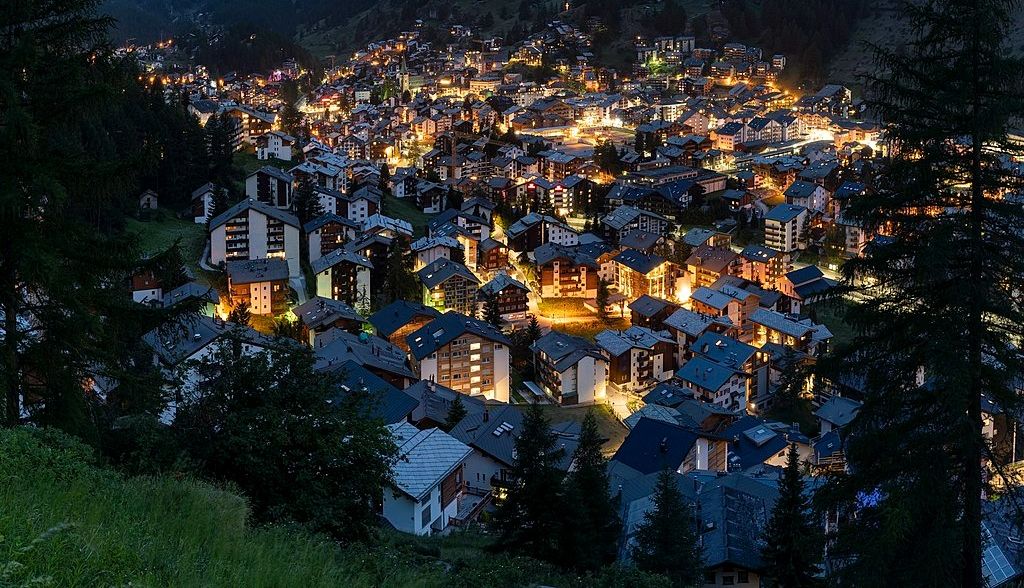
Car exhaust clashing with Alpine air feels fundamentally wrong, which is exactly why Zermatt banned combustion engines decades ago beneath the iconic Matterhorn. Visitors abandon their rides in Täsch and transfer to electric shuttles that whisper through mountain air so clean it makes city lungs dizzy with oxygen intoxication.
The 5,800 residents navigate cobblestone streets via electric taxis and occasional horse-drawn carriages, because apparently even transportation here has to be Instagram-worthy. For mountaineers and dreamers alike, this proves that pristine living and modern convenience aren’t mutually exclusive.
9. Supai, Arizona

America’s last mule-delivered mail service operates here, deep in the Grand Canyon where 200 Havasupai residents receive packages that might arrive with hoofprints. This isolated community exists in splendid isolation, accessible only via an 8-mile trail winding through rust-colored canyon walls.
Helicopters occasionally buzz overhead with supplies, but the community has intentionally kept the outside world at arm’s length. Cultural preservation meets breathtaking beauty when communities choose isolation over accessibility.
8. Halibut Cove, Alaska
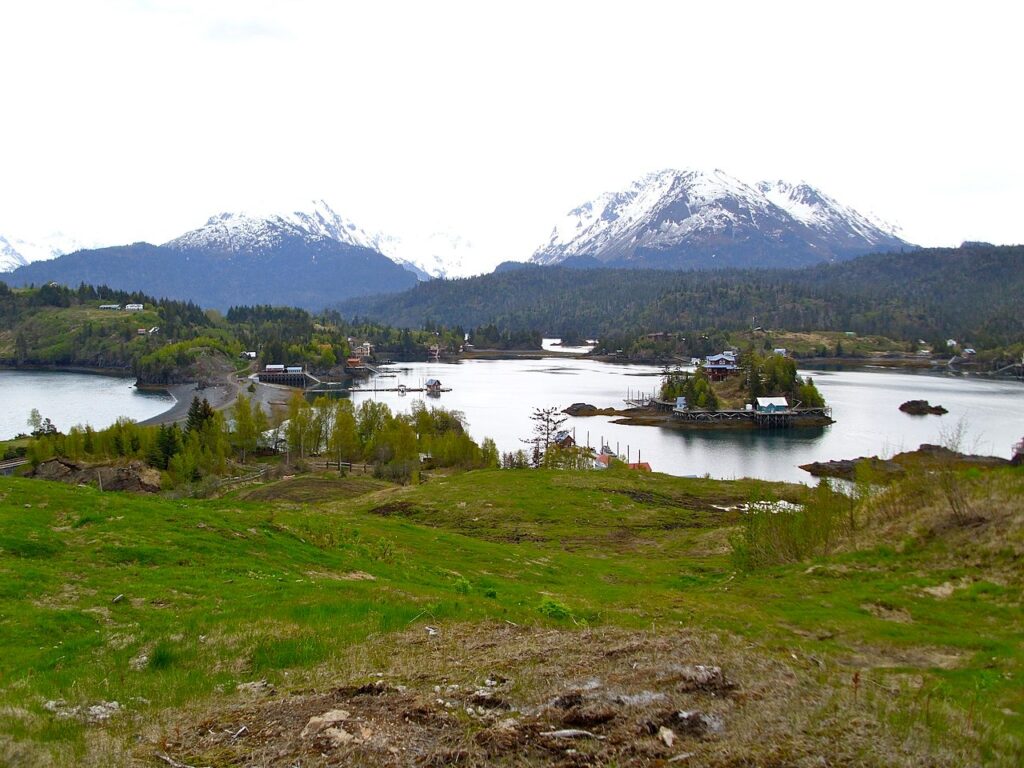
Reaching this Alaskan hideaway requires surrendering to boat or float plane schedules, but the payoff is a community where fewer than 100 residents navigate life via raised wooden boardwalks. These elevated pathways connect homes to the community’s single restaurant, which serves seafood so fresh it practically introduces itself.
Boats function as family cars, water taxis, and delivery trucks rolled into one nautical package. Even groceries arrive by water, unloaded at the community dock before being wheeled home in carts. If you’re seeking proof that small communities can thrive without highways, Halibut Cove delivers that lesson with every tide.
If you love the idea of traveling by boat, you might also appreciate remote retreats like the river‑to‑table glamping spot in North Carolina.
7. Mackinac Island, Michigan

Since 1898, motor vehicles have been persona non grata on this 3.8-square-mile island where 500 year-round residents prove that America’s longest-running car-free experiment actually works. Victorian charm remains perfectly preserved without parking lots scarring the landscape or exhaust competing with fudge shop aromas.
Bicycle rentals cluster near ferry docks, offering visitors the chance to circumnavigate the island on 8 miles of shoreline road that reveal Lake Huron views uninterrupted by highway guardrails. Sometimes the most successful tourism strategy is making inconvenience the main attraction.
6. Lamu, Kenya

Over 3,000 donkeys run the transportation network on this UNESCO World Heritage site, carrying everything from construction materials to wedding gifts through streets barely wide enough for two people. These four-legged workers handle deliveries while the island operates a sanctuary dedicated to caring for its essential transportation workforce.
Buildings constructed from coral stone and mangrove timber house shops, homes, and mosques, all designed around pedestrian access rather than parking requirements. Entire economies flourish when designed around hooves instead of horsepower.
5. Hydra, Greece

Just 90 minutes from Athens’ chaos, you’ll find a timeline where modernity forgot to catch up—2,000 residents traveling exclusively by foot, water taxi, or donkey along stone pathways cascading toward a horseshoe harbor. Donkeys handle heavy lifting while locals navigate vertical terrain with practiced ease that makes tourists quickly learn “just up the hill” translates to “prepare for an accidental marathon.”
Daily life adapts perfectly to roadless reality—groceries arrive by dawn boat, children walk to the island’s single school, and nightlife centers around harbor restaurants where designated drivers are never necessary. Steep hills become assets when every daily walk doubles as cardio that puts expensive gym memberships to shame.
4. Aogashima, Japan

Fewer than 200 people call this volcanic crater home, living inside what resembles Earth’s geological mood ring 350 kilometers south of Tokyo. Dramatic vertical terrain makes road construction nearly impossible, so locals navigate by foot along paths winding around unique geometry that defies conventional urban planning.
Twenty-minute helicopter flights serve as lifelines to mainland Japan, with the government subsidizing this remote arrangement because maintaining communities in impossible places builds national character. Isolation transforms from limitation to luxury when the alternative is high-speed connectivity without soul.
3. St. Helena
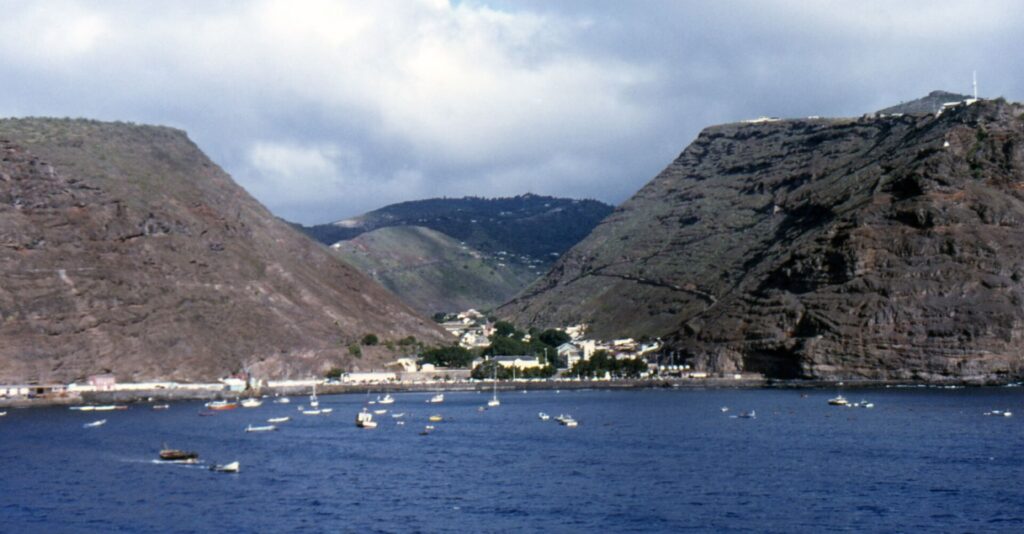
Jacob’s Ladder climbs 699 steps into cliff faces, creating the world’s most intense daily commute for residents of this South Atlantic island wedged into a steep ravine. Until 2017‘s airport opening, the RMS St. Helena provided the island’s only regular outside connection through challenging waters that tested even experienced sailors.
Challenging geology limits road construction, yet residents adapt with community trails connecting settlements across volcanic landscape. Geography teaches resilience when conventional infrastructure refuses to cooperate with volcanic imagination.
2. Iquitos, Peru
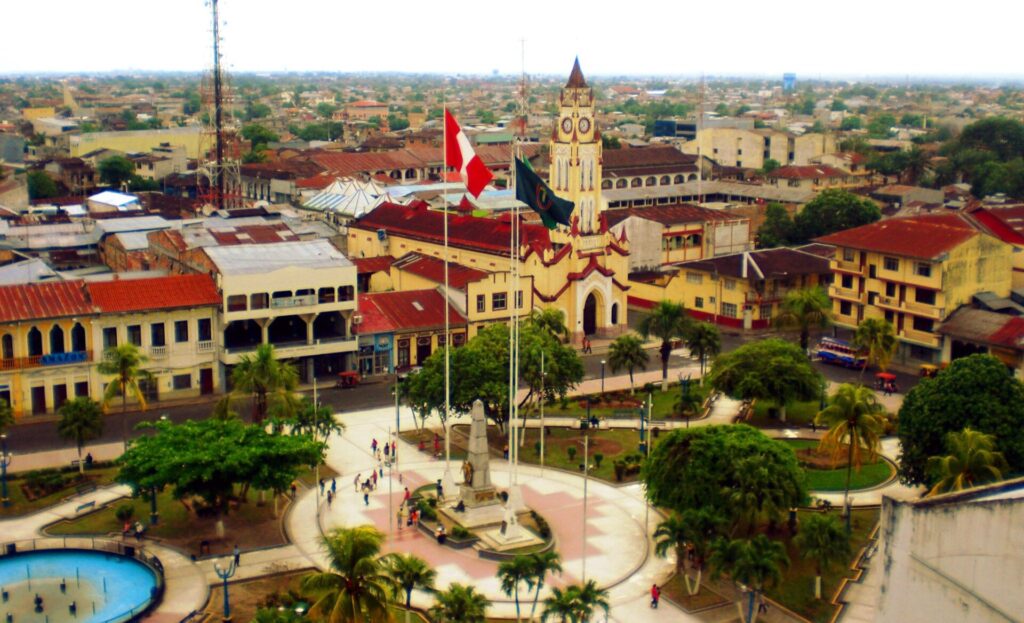
Roads literally end where jungle begins in this city of 400,000—the world’s largest urban center completely unreachable by car, surrounded by impenetrable Amazon rainforest instead of suburban sprawl. The city relies entirely on Amazon, Nanay, and Itaya rivers for outside connection, with boats constantly loading and unloading people and cargo.
River journeys to the nearest road-connected city take 2-7 days, depending on water levels and boat speed that varies with seasonal flooding. Urban centers break free from asphalt dependency when rivers become highways and boats replace buses.
1. Tabarca Island, Spain

Spain’s smallest permanently inhabited island fits into a coffee break—you can walk across Nueva Tabarca‘s entire landmass while strict environmental protection keeps it car-free. Narrow streets open to small plazas where locals gather during evening coolness, while surrounding marine reserves keep waters as pristine as the air above.
This miniature community offers visitors sustainable, car-free living that feels both historically authentic and environmentally progressive—a perfect laboratory for studying how humans thrive without infrastructure we typically consider essential. The smallest experiments often reveal the biggest truths about what humans actually need versus what we think we can’t live without.