

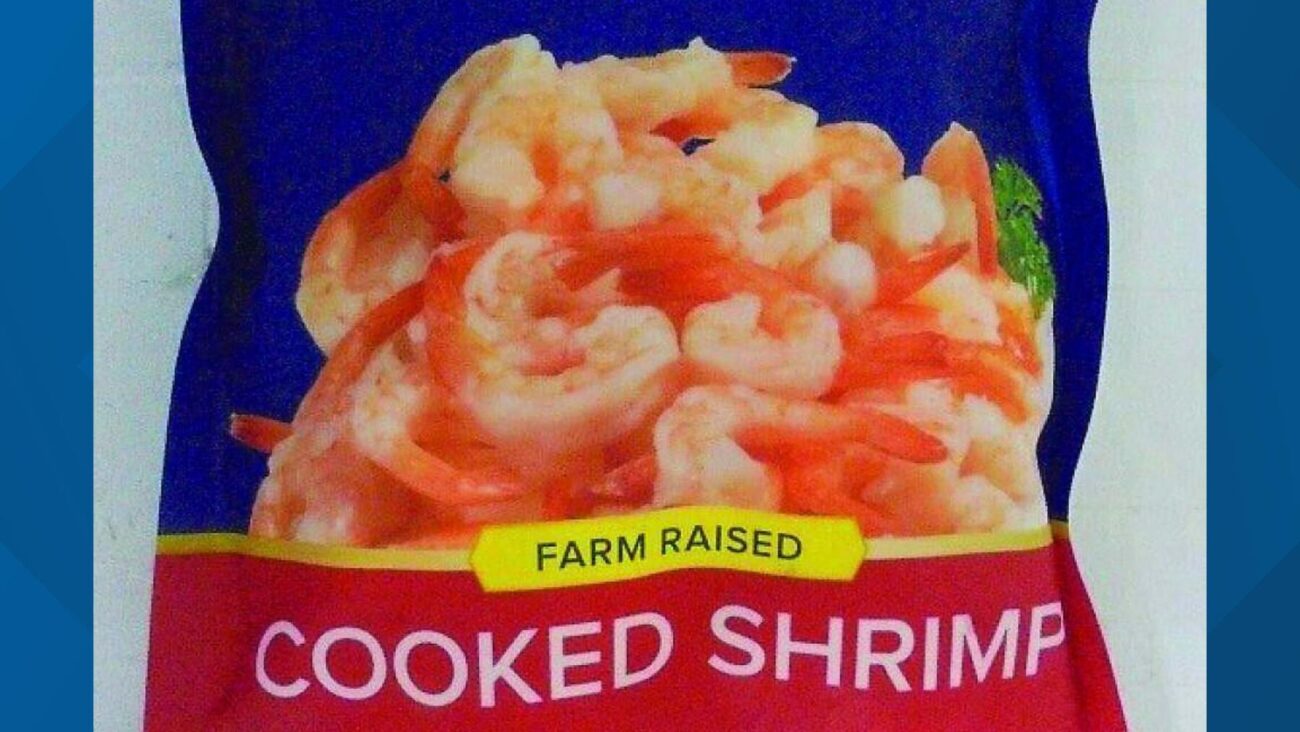
Your weekend shrimp scampi just became a federal safety concern. Southwind Foods has voluntarily recalled frozen shrimp sold under five popular brands—Sand Bar, Arctic Shores, Best Yet, Great American, and First Street—after FDA inspectors discovered Cesium-137 contamination in shipping containers and product samples. The recalled shrimp, distributed between July 17 and August 8 across Alabama, Arizona, California, Massachusetts, Minnesota, Pennsylvania, Utah, Virginia, and Washington, represents the second radioactive shrimp recall this week.
This marks an unprecedented food safety moment. Finding radioactive contamination in seafood isn’t your typical Tuesday recall notice. Cesium-137, a byproduct of nuclear reactions, can increase cancer risk through long-term exposure by damaging cellular DNA. While no illnesses have been reported, federal officials aren’t taking chances.
Indonesian Supply Chain Under Federal Scrutiny
All contaminated products trace back to single processor now blocked from U.S. imports.
The contamination trail leads directly to BMS Foods in Indonesia, which processed every recalled batch. FDA investigators detected the radioactive isotope during routine import inspections—a reminder that your dinner plate connects to global supply chains. Federal authorities have now denied entry to all BMS Foods products until the contamination source gets resolved.
Key Details for Consumers:
- Check your freezer immediately for recalled brands distributed July 17–August 8
- Nine states affected: Alabama, Arizona, California, Massachusetts, Minnesota, Pennsylvania, Utah, Virginia, Washington
- Do not eat, sell, or serve any suspect products
- No illnesses reported to date
- Second recall this week: Walmart’s Great Value shrimp faced identical contamination
Supply Chain Vulnerability Exposed
Two recalls in one week highlight imported seafood oversight gaps.
The FDA’s ongoing investigation with Indonesian authorities reveals how quickly contamination can spread through global food networks. “All containers or products testing positive for Cesium-137 are denied entry to the U.S. food supply,” according to FDA advisories, but the detection system caught this contamination only after products reached distribution centers.
This double-recall week exposes the challenge of monitoring seafood imports. When a single Indonesian processor can trigger nationwide recalls under multiple brand names, it raises uncomfortable questions about supply chain transparency. Check your freezer, verify product origins when possible, and stay alert for FDA updates—because knowing where your food comes from matters more than ever.