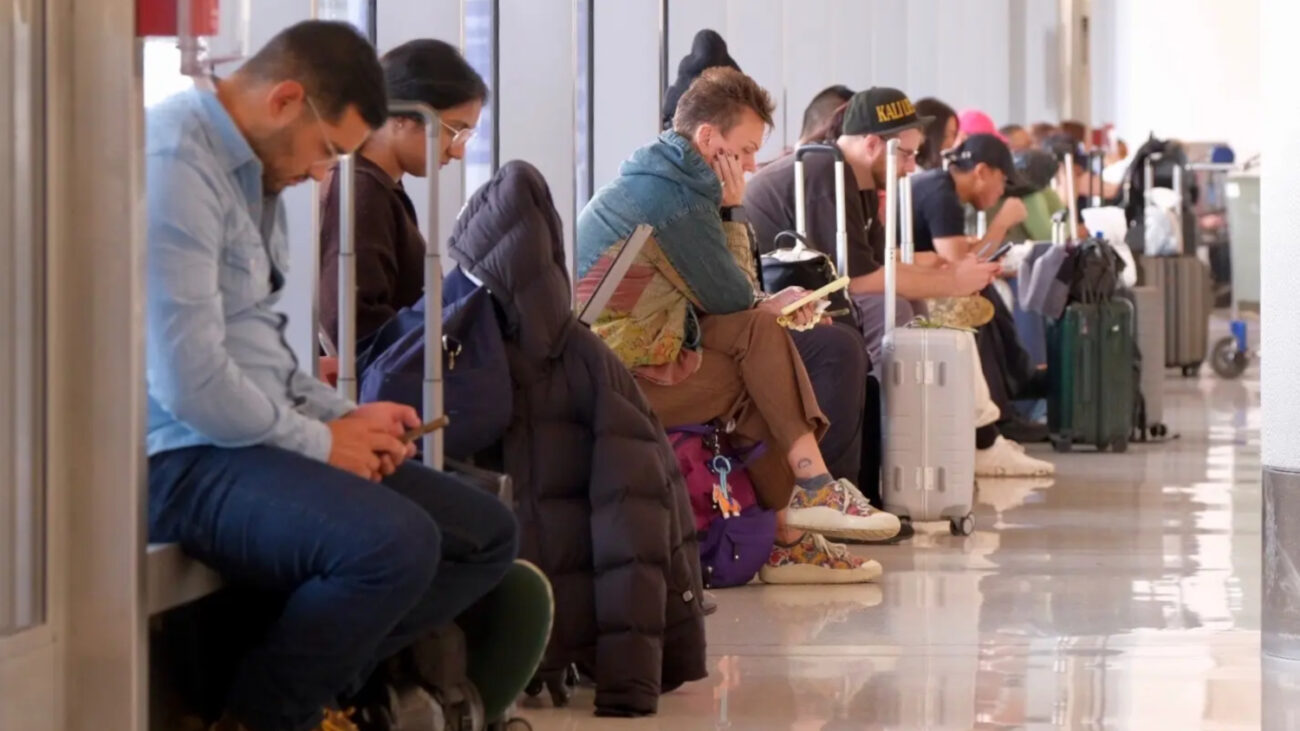


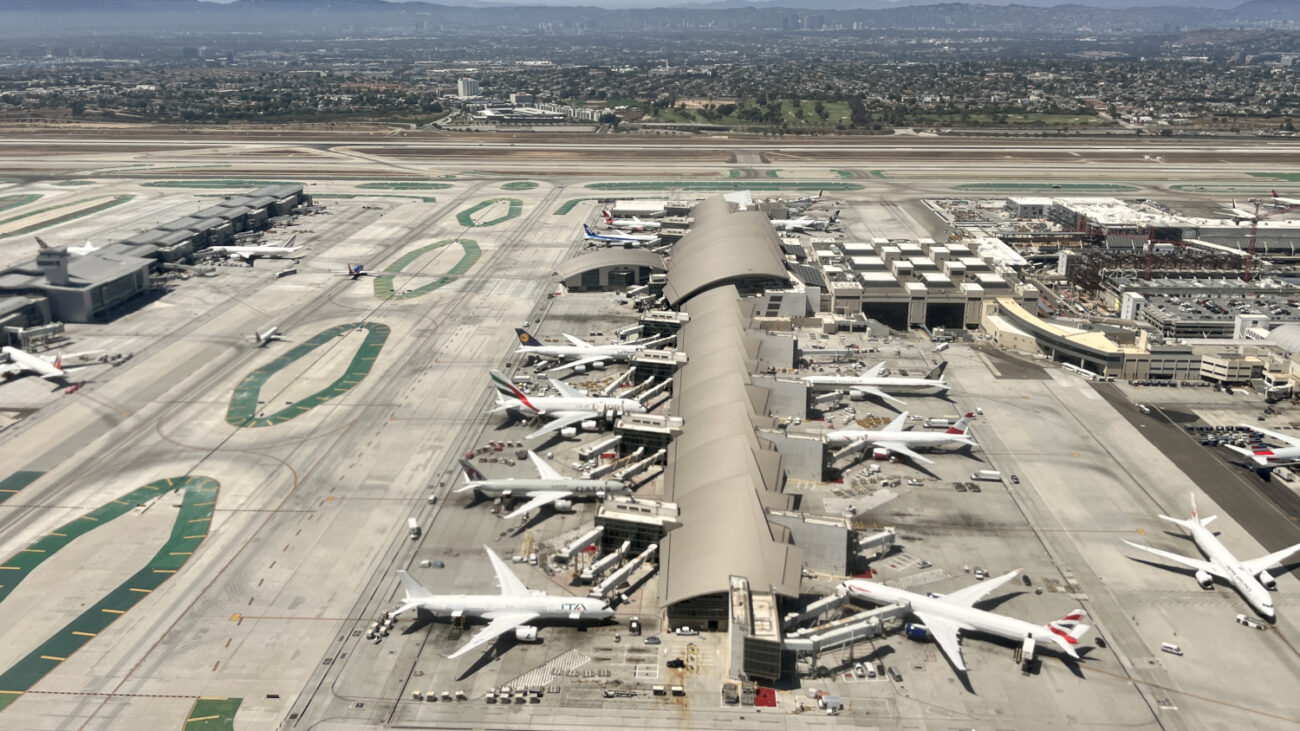
For more than 18,500 flights staring down frozen departure boards on Nov. 13, 2026, five hours of silence carried a price tag few anticipated. A technical failure in the FAA’s nationwide ground stop — and the financial wreckage is still being tallied. Brokerage Bernstein estimates the disruption will reduce combined pretax earnings at American Airlines, Delta Air Lines, United Airlines, and Southwest Airlines by approximately $345 million, with an 80% estimated range of $270 million to $430 million, according to Reuters. Aircraft and crews don’t teleport back into position. When a ground stop ends, the chaos doesn’t.
The Bill Comes Due
The $345 million figure captures estimated pretax earnings damage — not confirmed losses — spread across four of the country’s largest carriers.
Bernstein’s projection covers American, Delta, United, and Southwest; JetBlue sits entirely outside that tally. No reporting indicates any of the carriers plan to recover projected losses through higher fares or new passenger fees. The FAA reported roughly 12,462 total cancellations on Nov. 13 alone — 9,082 of them by major carriers, though the agency cautioned that not every cancellation was necessarily attributable directly to the ground stop. By 8:47 a.m. ET on Nov. 16, FlightAware data cited by Reuters put cumulative canceled flights above 18,500. Officials described the shutdown as among the longest nationwide aviation disruptions since the September 11 attacks, raising fresh questions about airport security and infrastructure resilience.
Who Recovered – and Who Didn’t
Carrier-by-carrier data from Bank of America analysts reveals just how unevenly the industry absorbed the blow two days after the ground stop lifted.
| Carrier | Cancellation Rate (Nov. 15) |
|---|---|
| JetBlue | 28% |
| American | 22% |
| Southwest | 4% |
| Delta | 5% |
| United | 3% |
The contrast between American’s 22% and United’s 3% underscores how crew and aircraft positioning at the moment of disruption shaped each carrier’s recovery arc, independent of the airline’s overall size.
One Router, Seventeen Centers
A flood of data — roughly 1,000 connection attempts every four to five seconds — cascaded through the FAA’s aging network and took 17 of 22 en route control centers offline.
Investigators identified two suspected sources:
- A radar site in Amarillo, Texas
- A radio communications facility in El Dorado, Arkansas, where defense contractor L3Harris Technologies had been conducting work that included deploying a new router
The FAA’s telecommunications network forced both locations to be blocked and, as a precaution, disabled the broadcasting function on the new routers and on more than 60 similar units across the network. No definitive root cause has been established, and no evidence points to a cyberattack or other malicious activity.
The FAA and L3Harris are still investigating whether faulty equipment, an installation error, or another technical failure triggered the cascade. Until that answer arrives, the full financial toll for airlines — shaped by recovery speed, reimbursement obligations, and ongoing schedule performance — remains an open question. So does the broader one: how resilient is the infrastructure that keeps U.S. aviation moving?