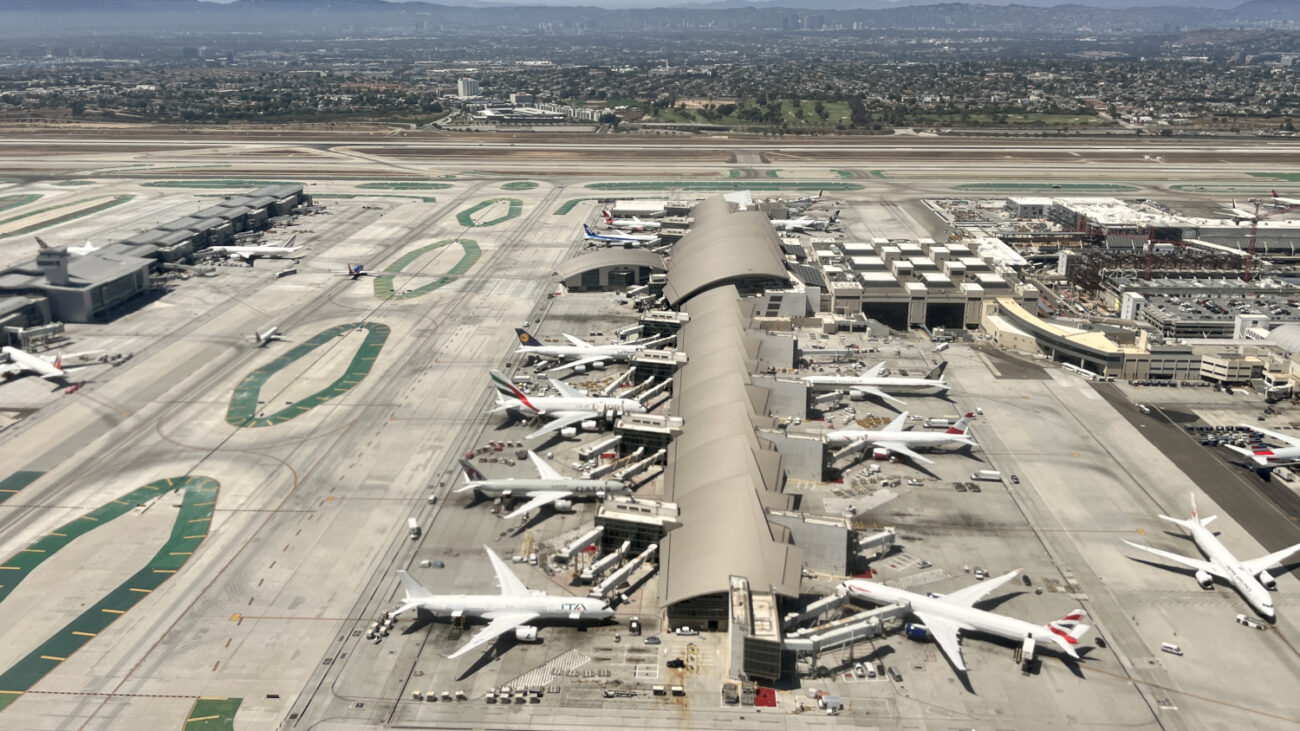



A telecommunications failure destabilized multiple air-traffic-control centers on Friday, Nov. 13, triggering a nationwide FAA ground stop that halted U.S. departures for hours. Air traffic resumed around 8:15 p.m. ET — but cascading cancellations and aircraft and crews stuck out of position mean the disruption isn’t finished. The choices you make in the next 24–48 hours will determine whether you walk away with real money back or a travel credit collecting digital dust.
Wait Before You Cancel Anything
The worst move right now is canceling your own reservation before the airline acts.
If your airline still lists the flight as active — even delayed — hold off. Voluntarily canceling may result in a travel credit under your ticket’s fare rules rather than a cash refund. Wait for the airline to cancel the flight or announce a significant schedule change, then monitor the airline app, website, airport boards, and email and text alerts closely. A qualifying cancellation or significant change, combined with your rejection of alternatives, is what triggers DOT refund eligibility.
Here’s where each major carrier landed on waivers — verify current terms directly with your airline before acting, as conditions may have changed:
- Delta: Fee-free changes for affected travel dates Nov. 13–16; rebooking permitted through Nov. 23; fare differences potentially waived within original cabin and booking class.
- United: Change fees and fare differences reportedly waived for replacement flights Nov. 12–20; same cities and cabin required; a full refund may be available for passengers who no longer wish to travel, subject to DOT eligibility.
- American: Change fees waived, including Basic Economy tickets; fare differences may still apply; rebooking limited to the same route and specified dates.
- Southwest: Rebook without a change fee within five days of your original travel date.
- Alaska Airlines: Change or cancel without change fees or fare differences.
- JetBlue: Fees and fare differences waived for qualifying Friday travelers; rebooking available through Nov. 18.
- Frontier: Fee-free changes for travel scheduled Nov. 13–15.
Know Your Refund Rights – and Use Them
Federal rules protect your money here, regardless of whether the disruption was the airline’s fault.
Under DOT rules, if the airline cancels your flight or makes a significant schedule change and you decline rebooking, a voucher, miles, or any other alternative, you are entitled to a refund to your original payment method. That protection applies whether or not the disruption was the airline’s fault.
Refunds cover the unused ticket value plus applicable taxes and fees. Airlines must process qualifying refunds within seven business days for credit-card purchases, or 20 calendar days for other payment methods.
Hotels, meals, and ground transportation are not automatically covered. Ask your airline about its assistance policies before spending. Save every receipt either way — you will need that paper trail if reimbursement becomes a negotiation.
If the Airline Doesn’t Play Fair
Your documentation is your leverage when the carrier pushes back.
Keep records of everything: the cancellation notice, waiver terms, and every communication with the airline. If the carrier refuses a qualifying refund, file a complaint with the U.S. Department of Transportation through its official aviation consumer complaint channel. The DOT’s airline cancellation and delay dashboard also tracks carrier compliance publicly, giving travelers and regulators alike a clear view of how airlines perform.
The system experienced a serious failure on Friday. Your rights did not. Knowing when to wait — and when to act — is the difference between a cash refund and a voucher you will never use.