

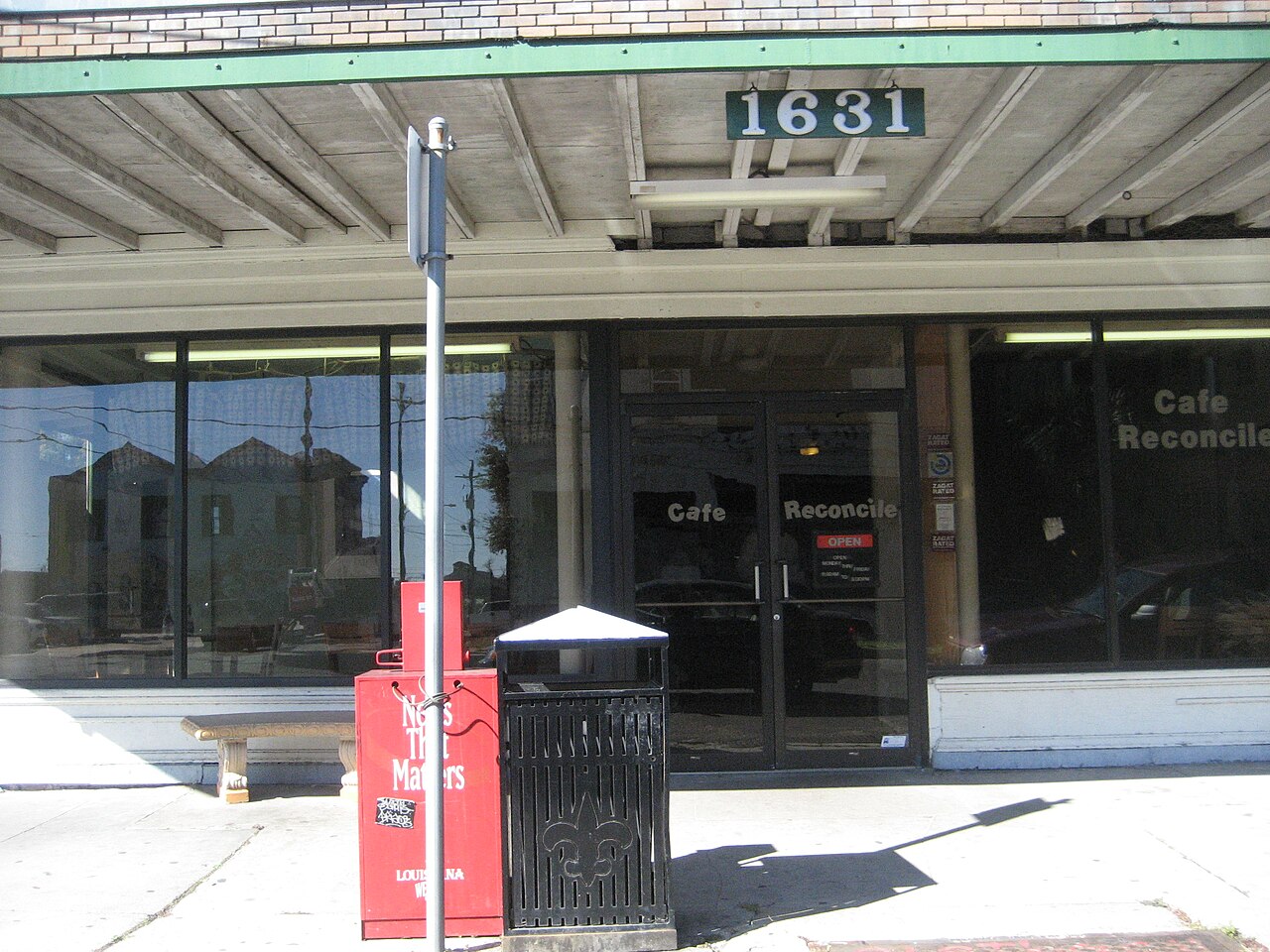
All of the restaurant profits at Café Reconcile go directly into stipends and training for the young people cooking and serving the food.
Father Harry Tompson, a Jesuit priest at Immaculate Conception downtown, worked with parishioners Craig Cuccia and Tim Falcon to start Reconcile New Orleans in 2000. They took an empty warehouse on a blighted stretch of Oretha Castle Haley Boulevard and built a restaurant meant to function as a classroom. The goal was stated plainly from the start, to serve as a cornerstone for the broader rehabilitation of Central City.
The program runs on a 14-week paid internship for young adults between 16 and 24. Interns earn industry credentials, work real shifts in a real dining room, and get a full year of continued support after graduation as they move into jobs or school. Life skills and mentorship run alongside the culinary training, because the organization treats job readiness as a broader problem than knife work.
The results have moved in the right direction. The program passed 2,000 graduates at its 25-year mark, and those alumni went into hospitality along with health care, a pipefitters union, and a veterinary practice. Enrollment has climbed roughly 30 percent since 2022 to more than 120 participants a year, and the graduation rate has risen sharply over the same stretch. Reconcile expanded its facility in 2012, landed on the New York Times list of the 50 best restaurants in America in 2023, and received a major gift from philanthropist MacKenzie Scott in 2024.
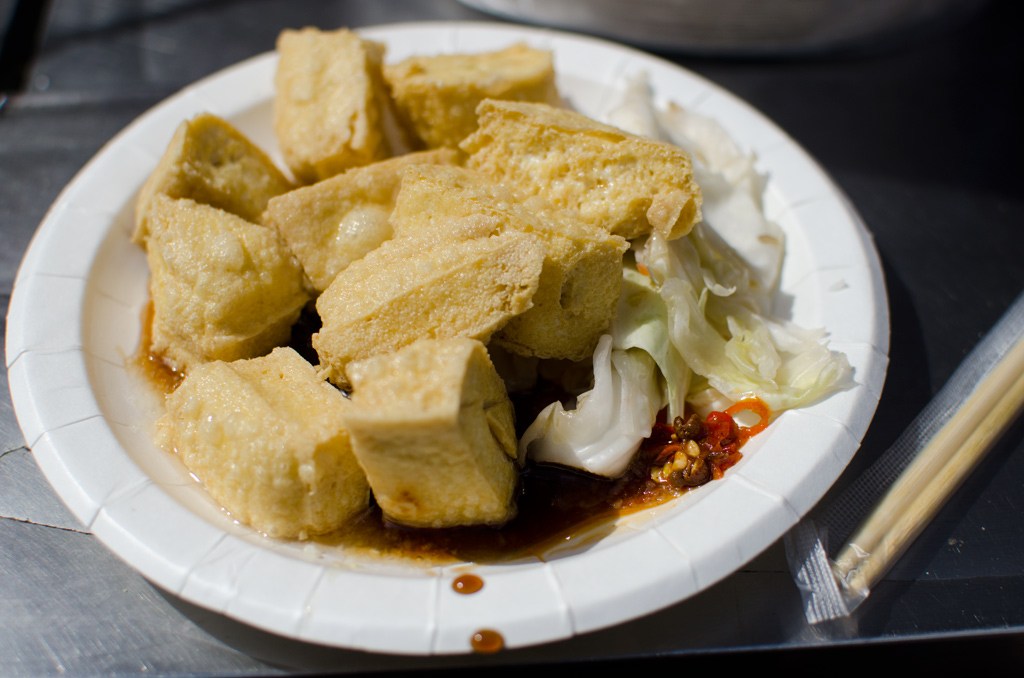
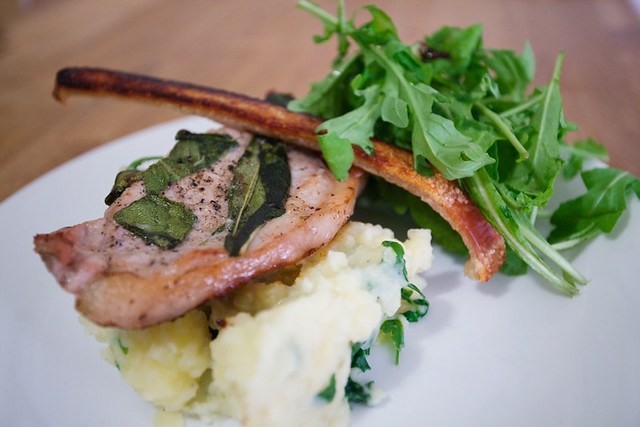
The food holds up without the mission attached. The kitchen cooks from scratch, roux included, and draws straight from New Orleans tradition. Red beans and rice, fried catfish, po-boys, fried chicken, and turkey necks anchor the menu, and the kitchen has reworked a few familiar plates with better ingredients and sharper technique over two decades of practice. Diners who have eaten there regularly tend to describe it as a genuinely good lunch that happens to do something else at the same time.
Service is a tight window. The café opens Tuesday through Friday from 11 a.m. to 2:30 p.m. and serves lunch only. Reservations go through OpenTable, online ordering runs through Toast, and the phone is (504) 568-1157. The organization also handles catering and private events, and it sells holiday packages, including a Thanksgiving menu with a mid-November pre-order deadline.
The address carries its own history. Oretha Castle Haley Boulevard was renamed for the civil rights organizer who, as a college student in 1960, helped lead the Dryades Street boycott against businesses that took Black customers’ money while refusing to hire Black clerks. The café sits on that same stretch, training the neighborhood’s young people for the jobs it was once denied.