

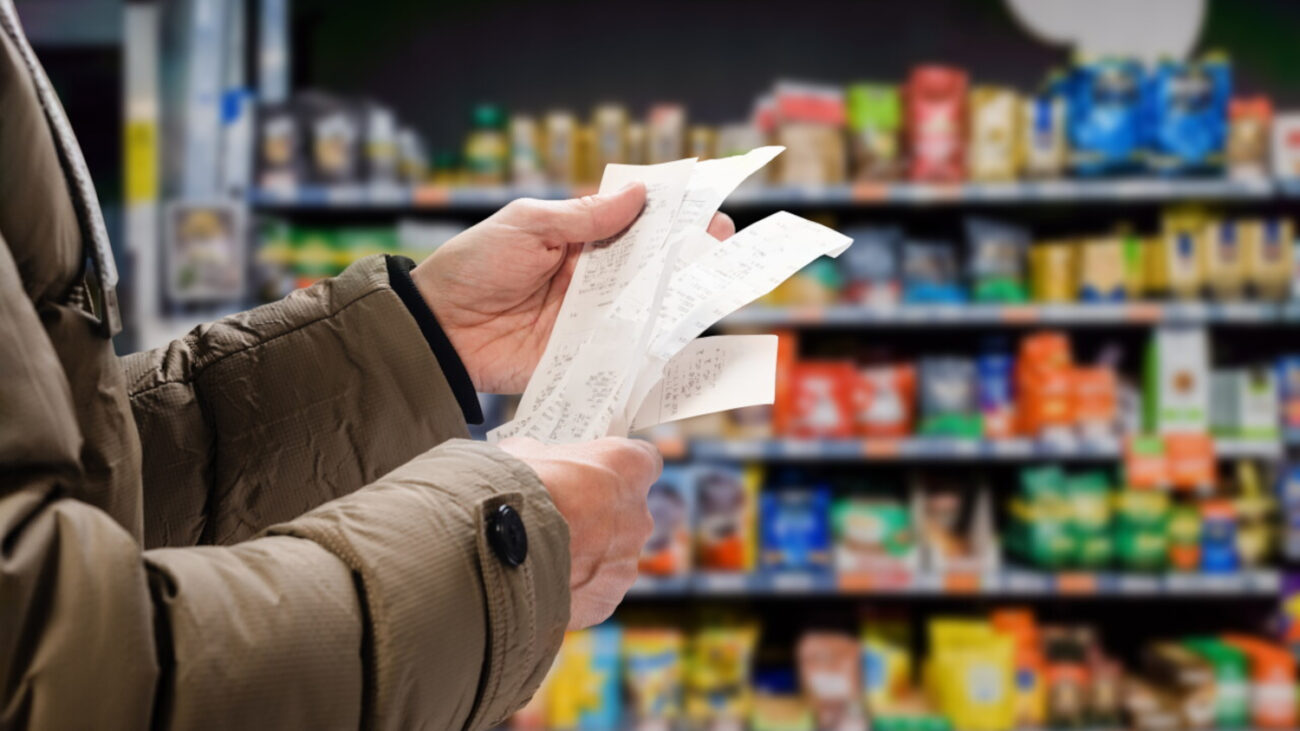
That $3.99 snack on the shelf might ring up at $4.19 — and government inspectors have been documenting exactly that pattern since 2023. A Guardian investigation published September 24, 2026, reviewed official price-accuracy inspections conducted between 2023 and 2025, along with 153 shopper complaints across 17 states, finding that both 7-Eleven and Circle K repeatedly charged customers more than advertised prices at registers and fuel pumps, a pattern that echoes why so many of America’s favorite chains are drawing consumer frustration.
The Numbers Don’t Lie
Inspection failure rates at both chains varied widely by region — but even the lowest figures give careful shoppers reason to watch the screen.
Circle K failed 82% of price-accuracy inspections in Columbus, Ohio, and 62% in North Carolina, according to The Guardian. 7-Eleven failed 79% of inspections in Ontario County, New York, and 47% in Colorado and Utah. The softer regional numbers offer little comfort either: Circle K at 35% in Florida, 7-Eleven at 37% in Los Angeles County. In an era when consumers are already scrutinizing every grocery receipt, those figures land hard. A failed inspection means inspectors found discrepancies between advertised and charged prices; it does not mean every transaction at every location was wrong.
Before your next visit, a few practical steps can protect your wallet:
- Watch the screen while each item scans, especially anything on promotion
- Photograph the shelf tag before paying — include the product, label, and store location
- Ask an employee to correct the price before the transaction completes
- Keep the receipt if the discrepancy isn’t resolved on the spot
- Report unresolved problems to your state’s weights-and-measures or consumer-protection agency, as remedies vary by jurisdiction
What the Chains Say
Both chains point to system complexity as the cause — but the inspection record suggests the problem is widespread enough to warrant shopper vigilance.
Marco Cruz told The Guardian that a Circle K in McAllen, Texas, displayed beef and jalapeño cheese sticks at $3.99 but charged him $4.19 at the register. He said similar discrepancies had occurred at least five times in the preceding six months — his account, clearly, is one customer’s experience, not a universal finding. At one Arizona 7-Eleven, inspectors found 12 of 25 sampled products ringing up higher than their shelf prices, including gum marked at $3.99 that scanned at $4.99, according to The Guardian.
The broader retail context adds weight to the findings. A 2024 National Council on Weights and Measures survey covering 26 states found that convenience stores ranked among the lowest-performing retail sectors for price accuracy — though the precise aggregate failure figure for the sector should be confirmed against the underlying survey tables rather than accepted from secondary summaries alone. This mirrors the hidden fee reckoning unfolding across other consumer-facing industries.
Circle K said discrepancies between shelf labels and point-of-sale systems can produce either an overcharge or an undercharge. Both chains attributed some errors to complex systems, vendor relationships, and staffing pressures, according to secondary reporting. The available reporting contains no admission of intentional overcharging from either chain, and no confirmed enforcement actions or settlements had emerged as of publication.
The fix remains unglamorous but free: watch the screen, photograph the tag, keep the receipt. Awareness of shady restaurant tricks designed to inflate your bill can sharpen that same vigilance at the convenience store counter.