


Tigers prowl through waterlogged mangrove tunnels where the Ganges meets the Bay of Bengal, their amber eyes reflecting a world that’s vanishing beneath rising seas. The Sundarbans, this UNESCO World Heritage wilderness straddling Bangladesh and India, loses 200 meters of coastline annually—a pace that’s accelerated dramatically since 2020. Environmental scientists project that 75% of the region’s landmass will disappear by 2035, taking with it the planet’s largest mangrove forest and the 400 Bengal tigers who call it home.
Climate change isn’t just reshaping these destinations—it’s erasing them entirely. The window for experiencing these irreplaceable ecosystems closes faster than most travelers realize.
When Rising Seas Rewrite Maps
Coastal destinations face unprecedented erosion rates that outpace all historical records.
The Sundarbans exemplifies nature’s retreat from human-driven environmental pressure. According to recent satellite imagery analysis, the forest’s southern islands have shrunk by 40% since 2000, with some disappearing completely during particularly severe storm seasons. Local communities report that villages once inland now sit precariously at water’s edge, forcing thousands to relocate annually.
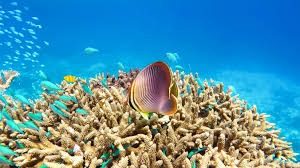
Beyond mangroves, the Maldives faces total submersion within 15 years, while Venice’s flood barriers strain against increasingly frequent acqua alta events. The Great Barrier Reef has endured five mass bleaching events since 2016—a pattern that coral systems cannot survive indefinitely.
Each of these destinations tells the same story: natural wonders shaped over millennia now transform within human lifetimes.
The Rush to Witness What Remains
Responsible travelers can still experience these wonders while supporting local conservation efforts.
Smart travelers can visit these vulnerable destinations through operators who funnel tourism revenue directly into conservation programs. In the Sundarbans, eco-lodges employ local guides whose deep forest knowledge contributes to wildlife monitoring efforts. Similarly, reef restoration projects in Australia welcome certified divers to participate in coral replanting initiatives.
These aren’t just final glimpses of disappearing landscapes—they’re opportunities to witness active conservation in environments where every season matters. The question isn’t whether these places will change, but whether travelers will choose to engage meaningfully with what remains while supporting the communities fighting to preserve it.