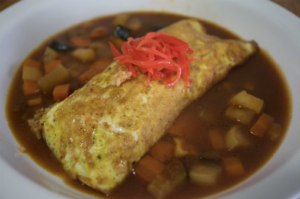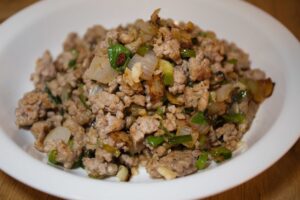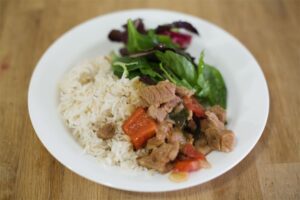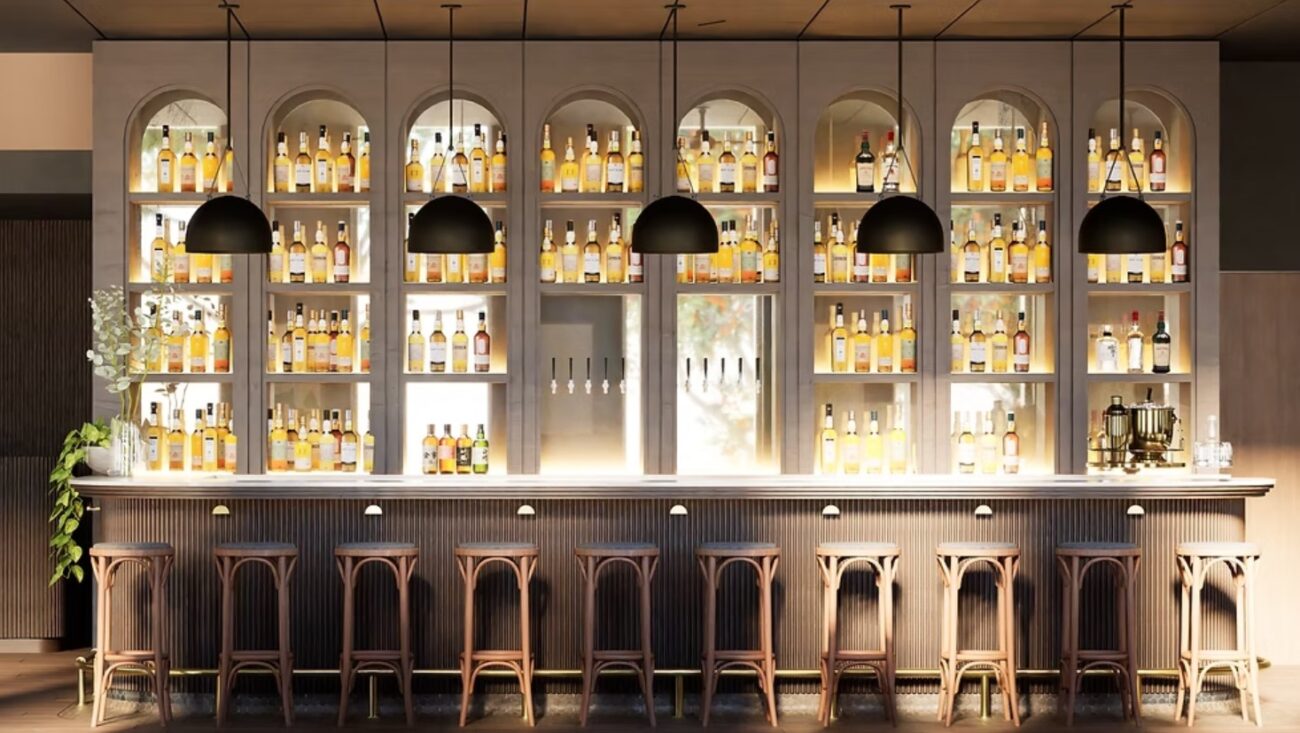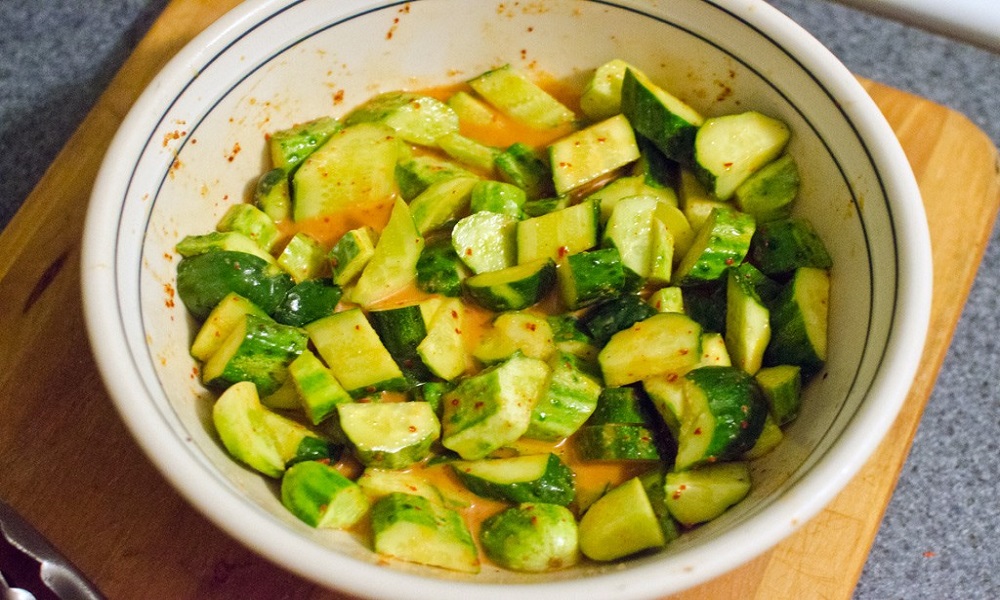


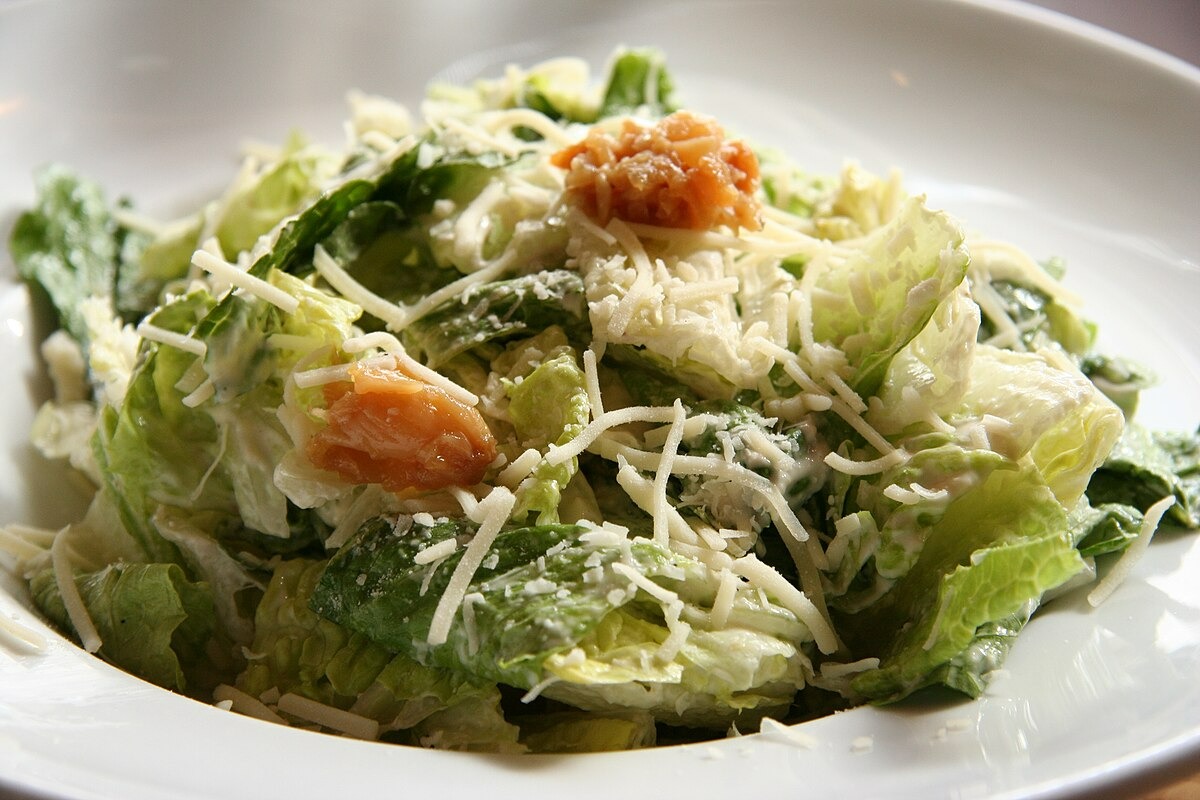
That $22 grilled salmon salad costs more than the $19 ribeye and mashed potatoes at the next table. Same restaurant, same night, but the “wellness” dish targeting health-conscious diners—predominantly women—carries a premium that defies basic food economics.
This pricing pattern appears across urban restaurants where lighter fare consistently outprices heartier meals, despite lower ingredient costs for many salad components.
The Menu Markup That Follows Gender Lines
Women pay 4-7% more across consumer products, and restaurant menus continue this troubling trend.
This pricing disparity reflects the broader “pink tax”—the systematic upcharge on products marketed to women. Research confirms women pay an average 4-7% more for gendered consumer goods, according to recent economic studies.
Restaurants exploit this pattern through strategic menu design, charging premiums for dishes associated with female dining preferences while keeping traditionally masculine meals competitively priced. The establishments rely on price discrimination techniques and customer segmentation, optimizing profits from demographic groups with higher willingness-to-pay for wellness-branded items.
The psychology runs deeper than simple supply and demand. Establishments use aspirational language—”organic,” “locally-sourced,” “farm-fresh”—to justify inflated prices on lighter fare. These descriptors signal exclusivity and wellness, targeting customers willing to pay extra for perceived health benefits.
Wellness as Luxury Product
Restaurants transform basic salads into premium experiences through strategic marketing and psychological manipulation.
Menu engineering treats women’s food choices as commodity experiences rather than sustenance. A quinoa bowl with vegetables becomes a “superfood meditation” priced like a luxury item, despite containing ingredients that cost restaurants significantly less than protein-heavy dishes.
This approach turns health-conscious eating into aspirational dining, where nutritional value becomes secondary to lifestyle signaling. The same psychological tactics that drove premium pricing in beauty and fashion now dominate restaurant strategy.
Burger King highlighted this absurdity in 2018 with their “Chick Fries” campaign, charging women more for identical fries to demonstrate pink tax principles. The stunt revealed how readily consumers accept gendered pricing when wrapped in targeted marketing.
This system commodifies women’s wellness concerns, reinforcing a narrative that healthy eating requires premium payment. The markup attached to “diet-friendly” plates underscores market trends treating wellness as status symbol, particularly among affluent female consumers who’ve been conditioned to expect—and pay for—virtue signaling through food choices.
Statistical research confirms that men and women, even in similar dining environments, end up paying different prices for comparable meals—primarily due to sorting into differently marketed products and willingness-to-pay patterns established by years of gendered consumer conditioning.
The true cost isn’t just financial. Restaurant pink tax perpetuates economic gender disparities one overpriced salad at a time, making wellness a luxury that women must pay extra to access.