

Despite cultural beliefs, your body absorbs only 2% of iron from spinach versus 15-35% from red meat
Tired all the time despite your pristine quinoa-spinach-smoothie routine? You’re not alone—and the culprit might be the very foods wellness culture tells you to worship. Iron deficiency is the world’s most common nutrient shortage, yet health-conscious people keep doubling down on foods that barely deliver what their bodies can actually use.
The disconnect isn’t about effort. It’s about bioavailability—how much your body absorbs versus how much sits on a nutrition label looking impressive. Iron deficiency causes chronic fatigue, brain fog, and poor stamina, symptoms often misattributed to lifestyle or psychological factors. Meanwhile, heme iron from animal sources gets absorbed at 15-35% efficiency, making a carnivore diet worth considering for those struggling with iron absorption.
The Spinach Myth That Won’t Die
A 19th-century math error created one of nutrition’s most persistent lies.
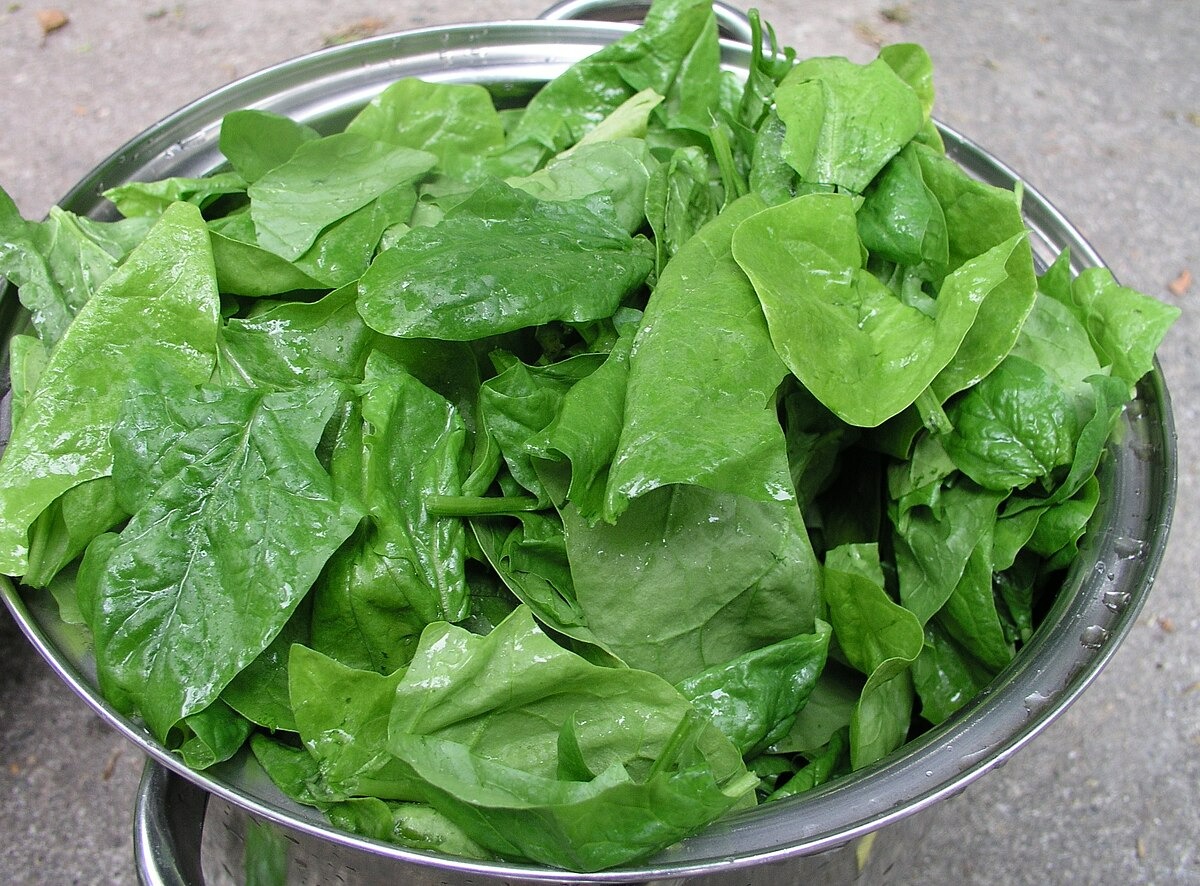
That green leafy vegetable everyone swears by for iron? It’s basically nutritional theater. The spinach-iron myth traces back to a decimal point error from the 1800s that inflated its iron content tenfold. Scientists corrected this long ago, but Popeye had already sailed that ship into cultural immortality.
Spinach does contain iron—about 2.7mg per 100g. Your body absorbs roughly 2% of it. The rest gets bound up by oxalates, molecules that grab iron and escort it straight out of your system.
You’d need to eat pounds of spinach daily to match what a single serving of beef liver delivers. Meanwhile, heme iron from animal sources gets absorbed at 15-35% efficiency. Red meat, shellfish, and organ meats don’t just contain iron—they deliver it in a form your body recognizes and uses immediately. While vegetables certainly have their place in a healthy diet, relying on them for iron needs often disappoints.
Key Iron Facts:
- Non-heme iron (plants): 2% absorption rate, blocked by oxalates and phytates
- Heme iron (animal sources): 15-35% absorption rate, unaffected by dietary inhibitors
- Coffee and tea can block up to 90% of iron supplement absorption
- Iron deficiency particularly affects women due to menstruation and pregnancy
- Plant-based diets increase deficiency risk without careful planning
What Actually Works: The Bioavailability Game
Strategic eating beats Instagram-worthy salads every time.
The supplement aisle offers its own trap. Standard iron pills (ferrous sulfate) cause nausea and constipation while barely improving absorption. Newer chelated forms like ferrous bisglycinate work better and gentler, but timing matters more than brand names.
Take iron supplements with your morning coffee? You’re sabotaging yourself. Tannins in coffee and tea can block up to 90% of iron absorption, according to nutrition research. The same goes for calcium-rich foods and dairy.
Smart supplementation means taking iron away from these blockers and pairing it with vitamin C for maximum uptake. Even better: include strategic servings of heme iron sources a few times weekly. Red meat remains one of the most bioavailable sources, and choosing the right cuts makes all the difference. Your fatigue might disappear faster than a viral wellness trend.
Beyond fatigue, watch for other iron deficiency symptoms like pale skin and brittle nails. These physical signs can help you identify the issue before it becomes severe.
The real solution isn’t more spinach smoothies—it’s understanding that your body doesn’t care about nutrition labels. Test your iron and ferritin levels regularly, especially if you’re female or following plant-heavy diets. Sometimes, the most rebellious thing you can do in wellness culture is eat what actually works.