

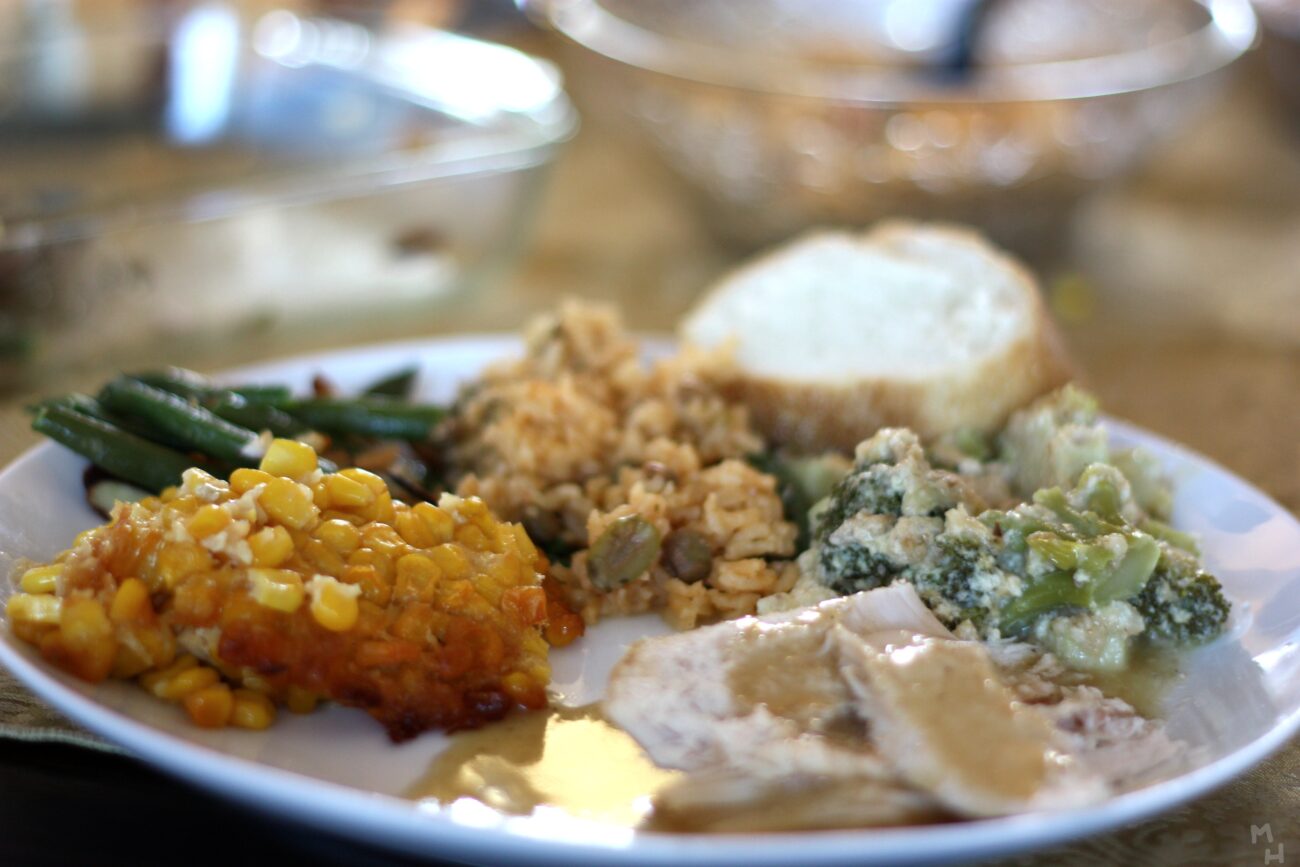
Half of people find throwing a dinner party more stressful than their day job, according to British research that finally quantifies what many secretly suspected. A quarter described hosting as more traumatic than a job interview. These aren’t just numbers—they’re confessions from people who’ve spent weekends scrubbing baseboards and perfecting charcuterie boards for Instagram stories that last 24 hours.
The anxiety breakdown tells the real story:
- 47% stress about cleaning their house to impossible standards
- 38% obsess over whether the food tastes “good enough”
- A third worry constantly about keeping everyone entertained
This isn’t hospitality anymore—it’s performance art with a side of imposter syndrome.
The Instagram Effect Ruins Everything
Social media transforms intimate gatherings into staged productions.
Dinner parties have morphed from communal celebrations into curated content opportunities. You’re not just feeding friends—you’re producing lifestyle content that needs to compete with every other tablescape flooding your feed. The pressure to document and share everything from wine pairings to centerpieces amplifies self-scrutiny like a spotlight pointed directly at your insecurities.
This performative shift explains why 43% of hosts regret overcomplicating their menus, driven by some imaginary panel of judges rating their creativity. The focus has shifted from authentic connection to proving your domestic prowess, transforming what should be joyful into an endurance test that leaves everyone emotionally drained.
Guests Feel the Pressure Too
Even attendees secretly wish they’d stayed home in sweatpants.
The hosting stress doesn’t stop at the kitchen door. Guests arrive carrying their own performance anxieties—worrying about outfit choices, conversational contributions, and whether they’re appreciating the host’s effort enough. Many admit to scrolling through Netflix wistfully, wondering why they didn’t just cancel and order takeout instead.
Over 40% of women report feeling happiest when these gatherings finally end. That’s not community building—that’s collective stress disguised as socializing. The tradition meant to bring people together now leaves everyone counting minutes until acceptable departure time.
The Rebellion Against Perfect
Younger generations push for imperfection and real connection.
Some hosts are quietly rebelling, embracing imperfect tablescapes and admitting their stress publicly. This shift toward honesty represents more than just trend fatigue—it’s a recognition that performing hospitality kills actual hospitality. When half your guests would prefer your couch to your dining room, maybe it’s time to rethink the whole production.