


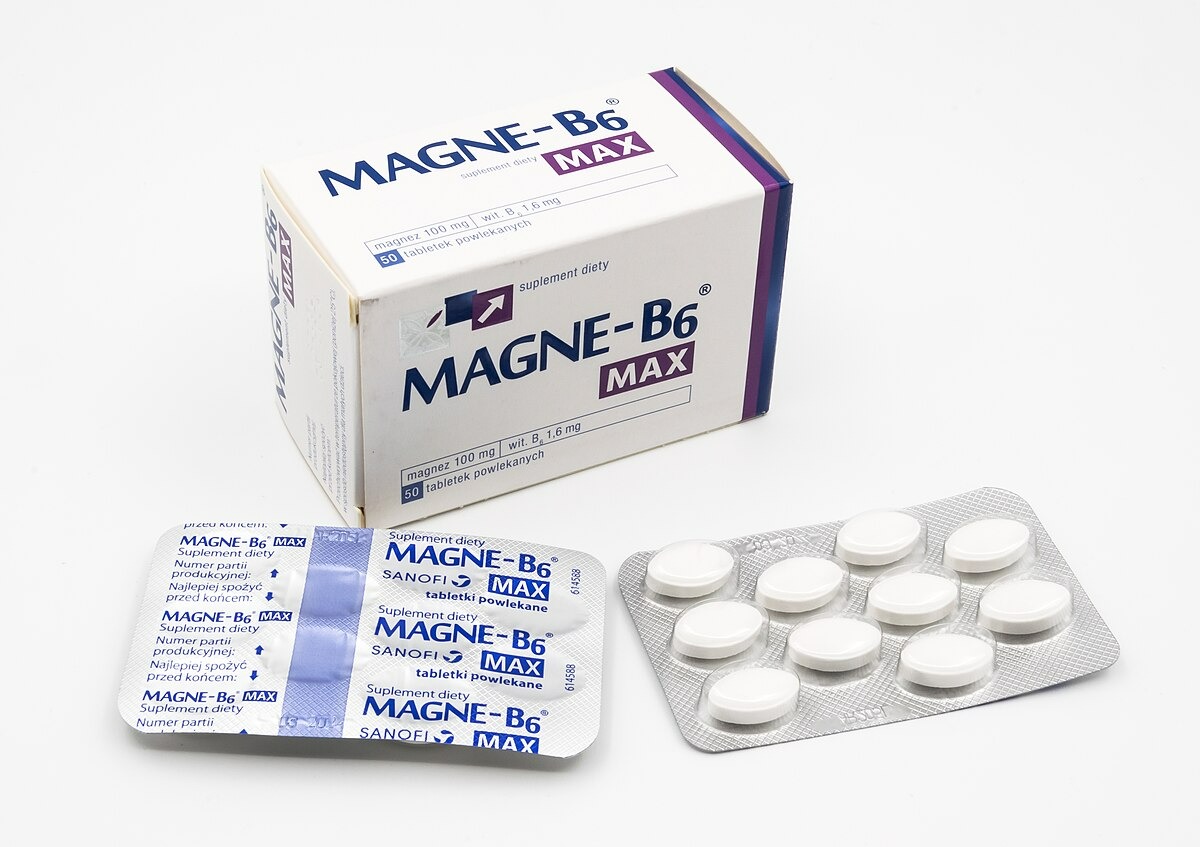
While wellness culture chases trendy supplements, 73% of women lack a mineral that directly calms the nervous system.
Anxiety plagues women at twice the rate of men, yet the solution might be sitting in your spice cabinet. Clinical research reveals that 73.8% of women of reproductive age are deficient in magnesium, the so-called “calm mineral” that regulates your brain’s stress response. Despite overwhelming evidence linking this deficiency to anxiety symptoms, magnesium remains the overlooked stepchild of mental health conversations.
Your racing heart, sleepless nights, and constant tension? They might not be character flaws or unavoidable stress responses. They could be your body screaming for a mineral that modern life systematically strips away.
The Mineral Your Doctor Doesn’t Mention
Magnesium regulates GABA, the neurotransmitter responsible for calming brain activity and counteracting anxiety. When you’re deficient, your nervous system operates in permanent overdrive.
Worse yet, chronic stress accelerates magnesium depletion, creating a vicious feedback loop: stress burns through your reserves while deficiency makes you more reactive to stress.
The symptoms read like an anxiety checklist:
- Heart palpitations and rapid heartbeat
- Insomnia and muscle tension
- Mood swings and irritability
- Fatigue despite adequate sleep
What feels like a mental health crisis might actually be nutritional bankruptcy.
Why Modern Life Strips This Mineral Away
Industrial grain processing removes up to 85% of magnesium content, turning nutrient-dense foods into empty calories. Add chronic stress, excess caffeine, alcohol consumption, and certain medications like diuretics, and you’ve created the perfect magnesium-depleting lifestyle that defines modern existence.
Studies consistently show that higher magnesium intake correlates with lower depression and anxiety scores, particularly in women. The fix isn’t complicated: leafy greens like spinach and Swiss chard, nuts such as almonds and cashews, pumpkin seeds, legumes, dark chocolate, and whole grains deliver substantial amounts.
According to multiple clinical studies, higher magnesium intake is associated with lower scores on depression and anxiety scales, yet this connection rarely makes it into mainstream mental health discussions.
The solution isn’t another expensive supplement regimen. It’s choosing whole foods over processed ones, integrating magnesium-rich ingredients into daily meals, and recognizing that sometimes the most powerful medicine comes from your kitchen, not your medicine cabinet.