


Wellness influencers frequently claim women can boost creativity by 300% during their menstrual cycle. They’re overselling, but they’re not entirely wrong. Research with 751 women found a genuine connection between the fertile window—roughly days 10-16 of a typical cycle—and enhanced creative thinking, particularly in originality and mental flexibility. The actual effect size represents a moderate, statistically significant increase (d=0.42) in creative test scores, according to studies published in Frontiers in Psychology.
The science centers on estrogen’s peak just before ovulation. This hormone doesn’t just prepare the body for potential conception—it rewires the brain temporarily.
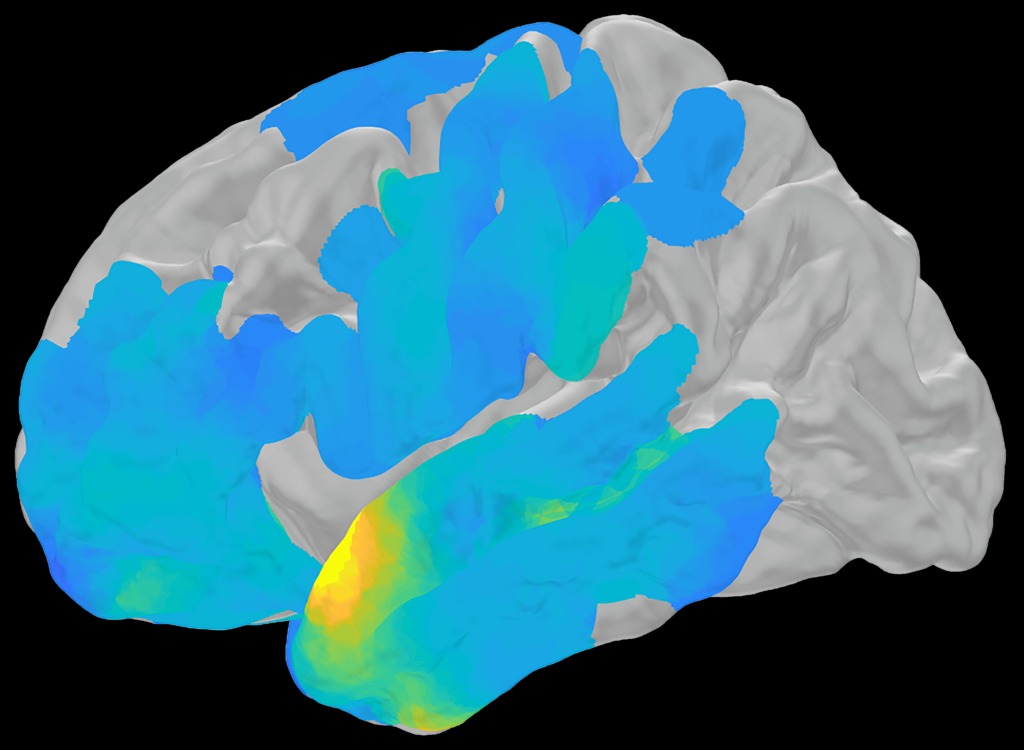
Estrogen increases dendritic spine density, essentially creating more neural connections, while boosting dopamine activity in regions associated with motivation and cognitive flexibility. Brain imaging reveals enhanced communication between hemispheres during this fertile phase, creating conditions ripe for the kind of integrated thinking that creativity demands.
Tracking Your Creative Window
Understanding your personal patterns requires patience and scientific precision.
Unlike the wellness industry’s promises of overnight transformation, harnessing this biological advantage requires patience and precision. Track your cycle for several months to identify your personal fertile window, since individual variation is significant. Not every woman experiences the same creative spike, and factors like stress, contraception, or irregular cycles can alter hormonal patterns entirely.
Here’s what the research suggests for practical application:
- Schedule brainstorming sessions, creative projects, and originality-heavy tasks for your fertile window (typically days 10-16)
- Reserve detail-oriented, analytical work for post-ovulatory phases when focus tends to sharpen
- Engage in novel experiences during peak estrogen days to amplify the dopamine-creativity connection
- Remain flexible—cycle-syncing apps are trending, but your biology might not follow their algorithms
“The effect is specifically on originality and flexibility, not the sheer volume of ideas,” notes recent neuroscience research. You’re not suddenly generating three times more concepts—you’re generating more innovative ones.
The reality check? Some meta-analyses find minimal cycle effects on broader cognitive abilities, suggesting the creativity connection might be narrower than enthusiasts claim. But for women seeking evidence-based approaches to optimize their work cycles, even modest improvements in creative thinking represent a shift worth exploring—just don’t expect miracles on demand.